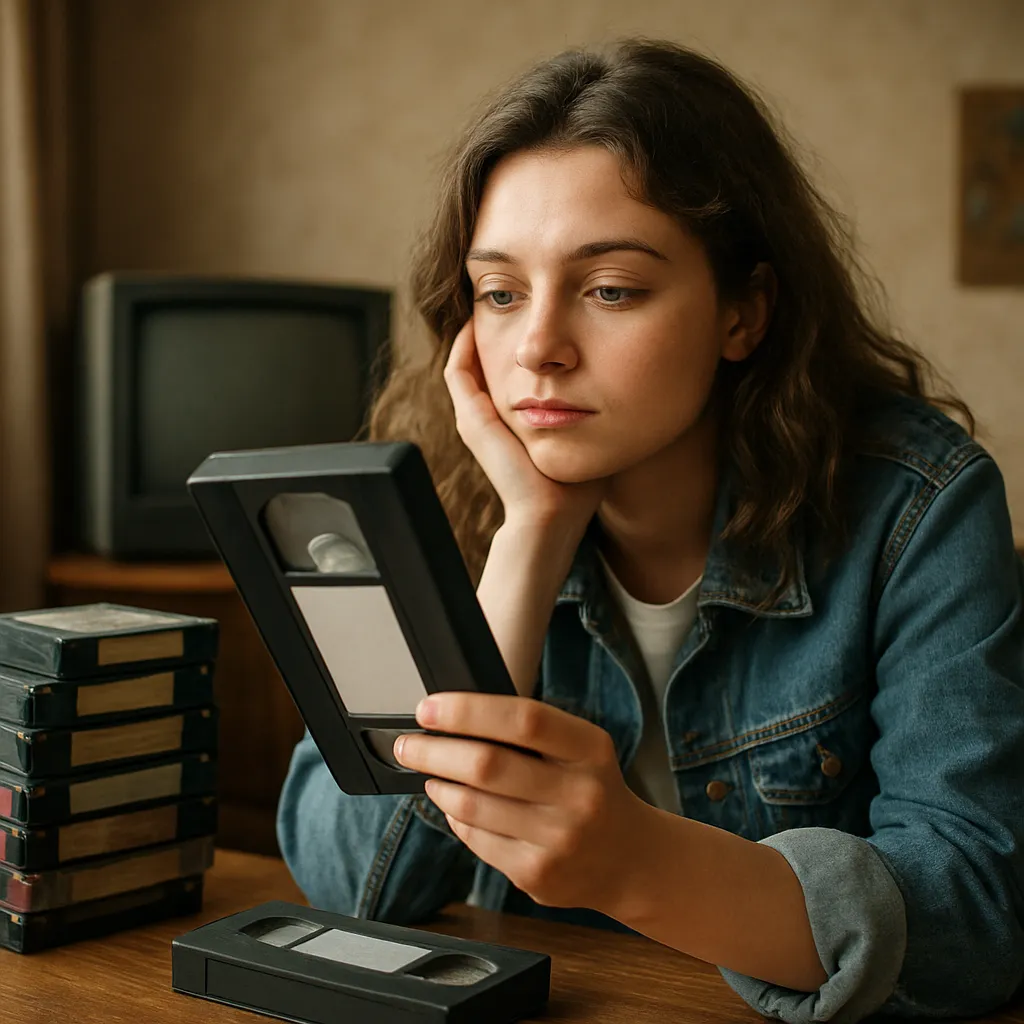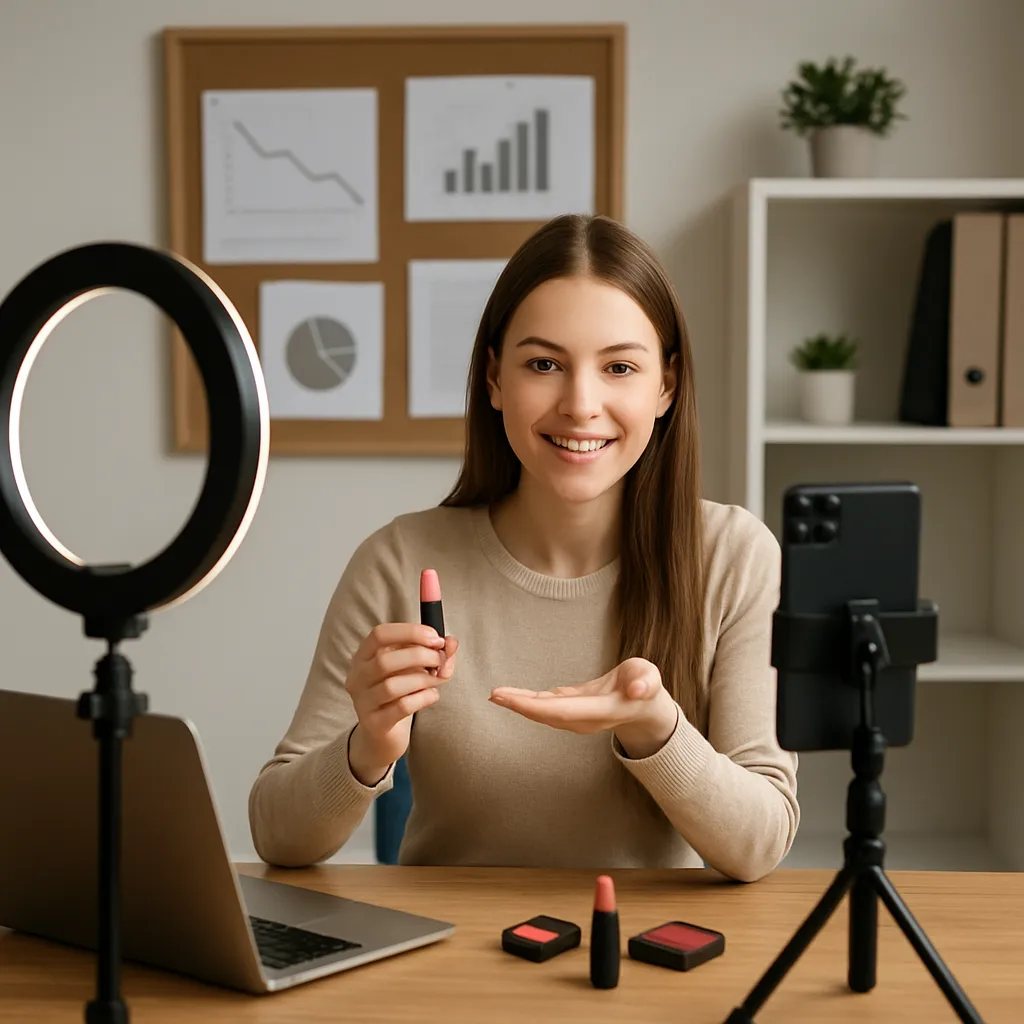
Generation Z often prioritizes genuine connections with content creators over the polished allure of traditional stars. In a digital environment crowded with mass-produced advertisements and celebrity endorsements, young viewers seek interaction and trust. The emergence of the creator economy has shifted cultural power from movie sets and red carpets to bedrooms and home studios. This article explores multiple facets of why Gen Z prefers online creators to established celebrities, focusing on authenticity, community dynamics, shifting marketing tactics, and the evolving influence of algorithms.
Authenticity and Relatability in a Saturated Media Landscape
Traditional fame often entails a carefully curated image maintained by teams of stylists, agents, and publicists. By contrast, digital creators share raw, unfiltered slices of everyday life. Viewers appreciate unedited vlogs of morning routines, honest discussions about mental health, and behind-the-scenes looks at creative processes. This transparency fosters a sense of authenticity that resonates with an audience tired of scripted performances.
- Relatability: When a creator logistically balances school, work, and passion projects, Gen Z recognizes shared challenges and triumphs.
- Vulnerability: Open conversations about failure, finances, and personal struggles break down the divide between online personality and real person.
- Conversational Tone: Instead of rigid press releases, creators speak directly to their audience in casual, unscripted language.
In a world saturated by polished advertising, raw social media stories become a breeding ground for emotional connections. Gen Z feels seen when a creator admits insecurity or confusion, reinforcing the belief that they’re not alone in a rapidly changing world.
The Rise of the Creator Economy
The past decade has witnessed the rapid growth of tools that enable monetization for individuals. Platforms now provide revenue-sharing models, affiliate partnerships, and direct tipping systems. Creators no longer rely exclusively on talent agencies or major labels to earn a living. This shift has created a robust ecosystem where everyday people build careers online.
- Platform Monetization: Sites like YouTube, TikTok, and Patreon offer variable revenue streams, from ad splits to monthly memberships.
- Brand Collaborations: Micro-influencers with niche followings often negotiate more targeted sponsorship deals than mass-market celebrities.
- Merch and Digital Goods: From limited-edition apparel drops to personalized digital downloads, creators harness loyalty for new income channels.
As audiences witness their favorite creators thrive economically without traditional gatekeepers, the appeal of this decentralized model strengthens. Gen Z admires the hustle behind each post and invests both time and money in supporting individuals who transparently share their success strategies.
Community Engagement and Interactive Culture
Creators emphasize two-way communication. Comment sections, live streams, and interactive features such as polls turn passive viewers into active participants. This level of engagement fuels a sense of belonging more effectively than the fan clubs of yesteryear.
- Real-Time Feedback: Live chats during streams enable direct Q&A with creators, often influencing content on the fly.
- Collaborative Projects: Viewers suggest challenges, vote on future video concepts, or submit artwork, reinforcing the community spirit.
- Fan-Driven Platforms: Discord servers or closed Facebook groups offer private spaces for fans to share insights and tips, moderated by the creator.
This collaborative ethos transforms content consumption into an immersive group experience. Online communities serve as support networks where members exchange advice on everything from study hacks to mental wellness, often inspired by their favorite digital personalities.
Algorithms, Discoverability, and Platform Influence
Behind every trending video or viral meme lies an algorithm designed to match content with receptive audiences. Unlike the rigid gatekeeping of legacy media, modern algorithms reward experimentation and consistency. Creators gain visibility by mastering platform-specific cues:
- Short-Form Virality: TikTok’s For You Page (FYP) can propel unknown users to overnight stardom through engaging, snackable clips.
- Cross-Platform Strategies: Successful influencers repurpose content across YouTube Shorts, Instagram Reels, and Snapchat Spotlight to maximize reach.
- Data-Driven Iteration: Analytics dashboards guide creators in refining topics, posting schedules, and engagement tactics.
Gen Z, having grown up with multi-layered feeds and personalized recommendations, recognizes the democratizing potential of algorithms. They trust these systems to introduce them to emerging voices rather than relying solely on celebrity PR machines.
The Marketing Shift: From Celebrities to Micro-Influencers
Brands have taken note of Gen Z’s preference for micro-level authenticity. Instead of hiring A-list stars for broad campaigns, marketing teams collaborate with niche influencers who command highly engaged audiences. This approach yields several advantages:
- Cost Efficiency: Smaller partnerships often cost a fraction of top-tier celebrity deals while delivering comparable or higher engagement rates.
- Targeted Reach: Micro-influencers typically address specific interests—such as vegan cooking, sustainable fashion, or indie game dev—allowing brands to laser-focus messaging.
- Credibility Boost: Endorsements from trusted creators feel more like peer recommendations than paid promotions, leading to higher conversion rates.
In contrast, celebrity ads can appear staged or disconnected from Gen Z’s realities. Young consumers have become adept at spotting inauthentic brand placements and often boycott campaigns that feel disingenuous.
Future Outlook: Evolving Digital Narratives
As technology advances, the boundary between creators and consumers blurs further. Innovations such as augmented reality filters, virtual meet-and-greets, and blockchain-based token systems promise deeper levels of interaction and ownership. Gen Z will continue to champion platforms that empower direct collaboration and authentic storytelling.
The rise of decentralized social networks may reduce reliance on monolithic tech giants, fostering tighter-knit creative communities. Moreover, generative AI tools offer new creative avenues for both novices and seasoned creators, amplifying the diversity of voices in the digital sphere.
Ultimately, the preference for real, accessible individuals over polished celebrities reflects a broader cultural shift towards transparency, inclusivity, and shared experiences. Generation Z’s affinity for online creators signals a new era in which personal narratives and genuine connections drive cultural influence.