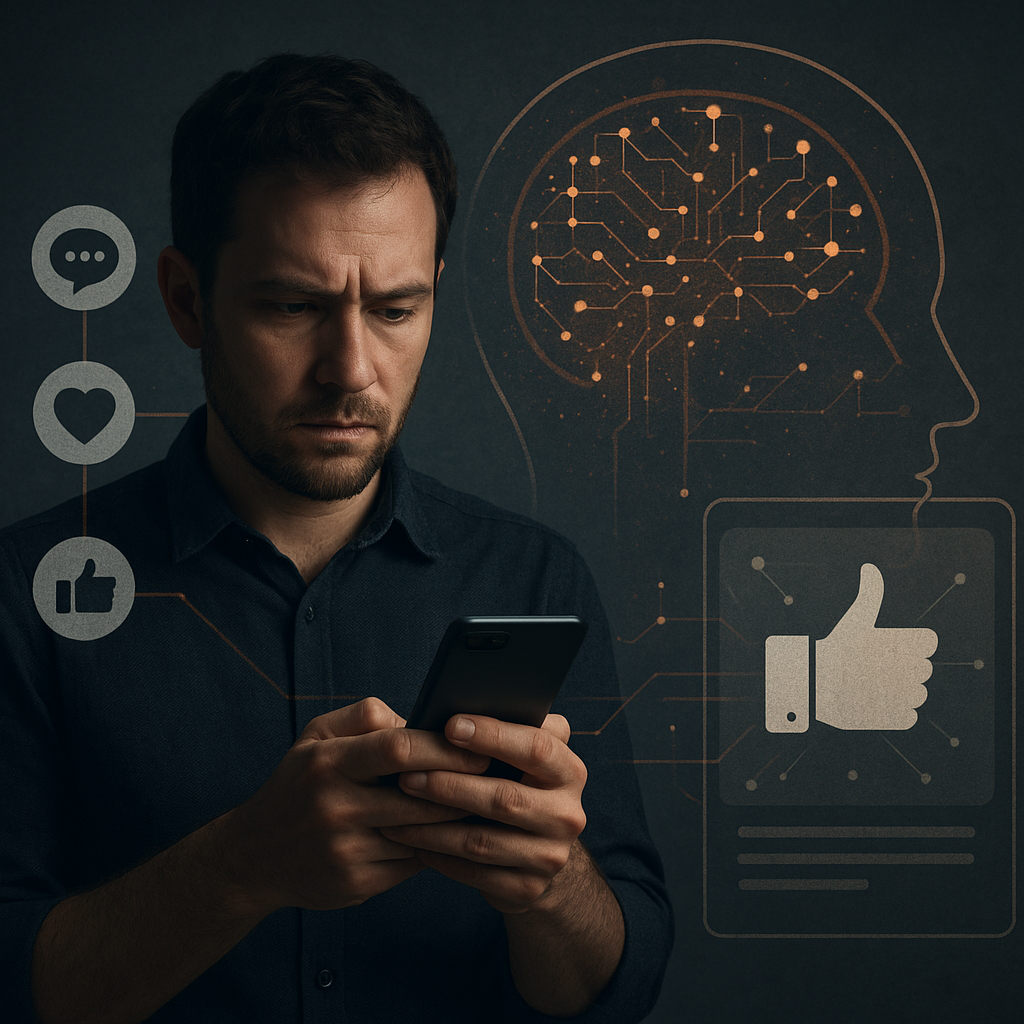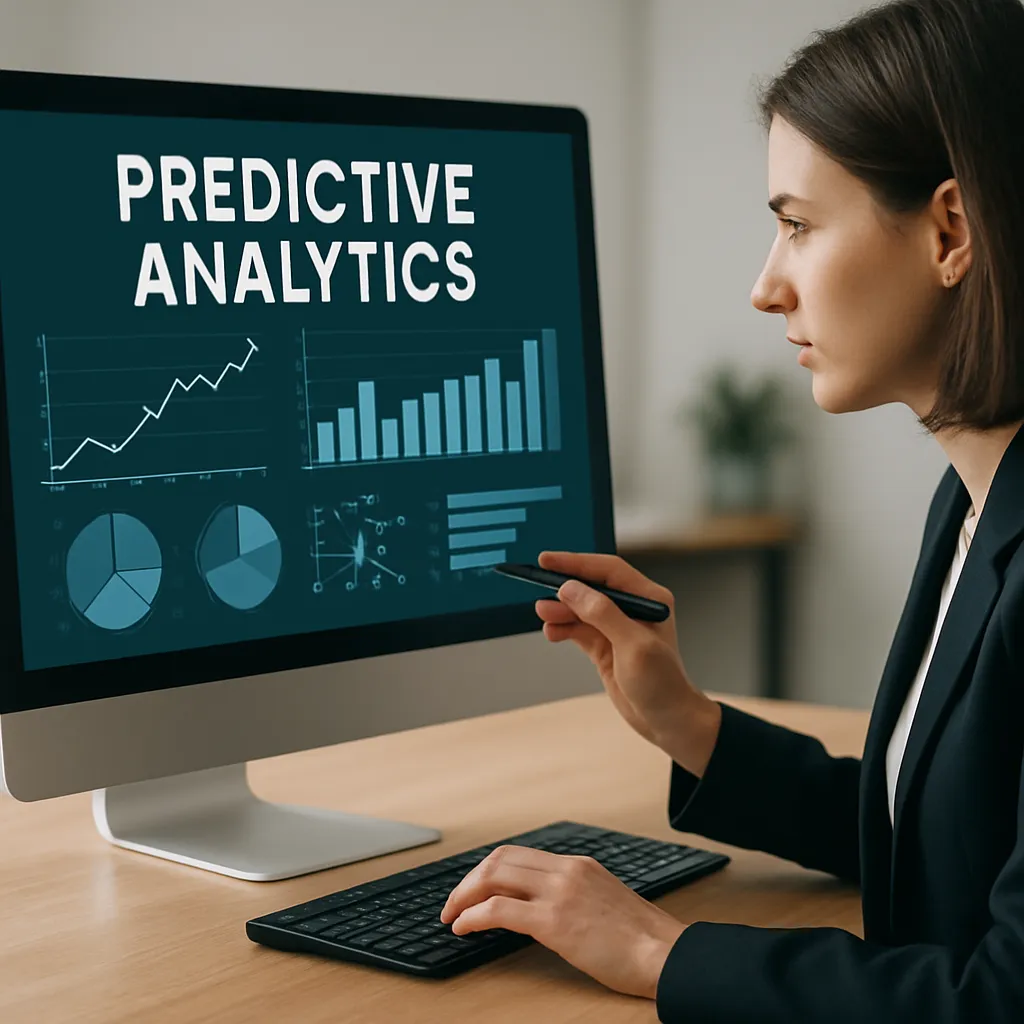
The fusion of predictive analytics and strategic content creation has become a cornerstone for driving engagement across digital platforms. This article explores how social media managers, marketers, and technologists leverage advanced data science to craft campaigns that resonate with audiences, spark conversations, and deliver measurable ROI.
Understanding Predictive Analytics in the Digital Ecosystem
At its core, predictive analytics uses historical information, statistical models, and machine-learning techniques to forecast future behavior. In the context of social media, these forecasts empower brands to anticipate user preferences and optimize content delivery. Key components include:
- Data Collection: Aggregating user interactions, clickstreams, and demographic details.
- Modeling Techniques: Employing regression, decision trees, and neural networks.
- Validation & Testing: Ensuring model accuracy through cross-validation and A/B testing.
By interpreting patterns in data, organizations can predict which posts will go viral, what topics will trend, and which segments require targeted messaging. A robust pipeline often involves:
- Sentiment Analysis to gauge emotional responses.
- Dynamic Segmentation for tailoring offers to micro-audiences.
- Feedback Loops that refine algorithms based on real-world performance.
Harnessing Data for Real-Time Engagement
Real-time monitoring and response are crucial when driving social interactions. Real-time analytics platforms ingest live feeds from social networks, comment sections, and chatbots to deliver instantaneous insights. Marketers use these capabilities to:
- Trigger automated replies during peak activity windows.
- Adjust ad spend dynamically based on trending topics.
- Deploy interactive polls or quizzes aligned with current events.
Combining algorithm-driven recommendations with timely execution enhances engagement. For example, a travel brand might push last-minute flight deals when competitor hashtags spike. Similarly, entertainment companies can tease trailers or behind-the-scenes footage just as fan theories go viral. This synergy of speed and relevance deepens customer loyalty and amplifies sharing.
Case Studies: Trend-driven Campaigns on Social Media
Well-known brands have successfully applied predictive analytics to surf social waves:
- Streaming Services: One platform uses viewer behavior to predict binge-worthy genres, teasing personalized thumbnails that boost click-through rates by 30%.
- Retail Giants: A fashion retailer analyzes purchase data and weather forecasts to forecast demand for seasonal items, reducing overstock by 20%.
- Food & Beverage: A global chain tracks local event calendars and sentiment scores to launch geo-targeted offers, increasing foot traffic by 15% during major festivals.
Metrics That Matter
- Engagement Rate: Comments, shares, and likes per post.
- Conversion Lift: Percentage increase in purchases or sign-ups.
- Share of Voice: Brand mentions relative to competitors.
- Customer Lifetime Value (CLV): Projected revenue from repeat interactions.
By continuously measuring these metrics, teams refine their models, ensuring that future campaigns deliver even stronger ROI and reinforce the brand’s online presence.
Future Trends and Ethical Considerations
Looking ahead, advancements in AI and deep learning promise even more sophisticated predictions. Voice and image analysis will unlock new dimensions of user intent, while augmented reality experiences will adapt in real time to audience reactions. However, this power brings responsibilities.
- Privacy & Compliance: Stricter regulations demand transparent data collection and user consent.
- Bias Mitigation: Models must be audited to prevent discriminatory outcomes.
- Transparency: Brands should communicate how and why user data informs content recommendations.
Maintaining trust requires balancing cutting-edge analytics with ethical stewardship. When done right, predictive insights transform social media from a broadcast channel into a two-way forum, where every post adapts to audience needs and trends evolve into meaningful conversations.