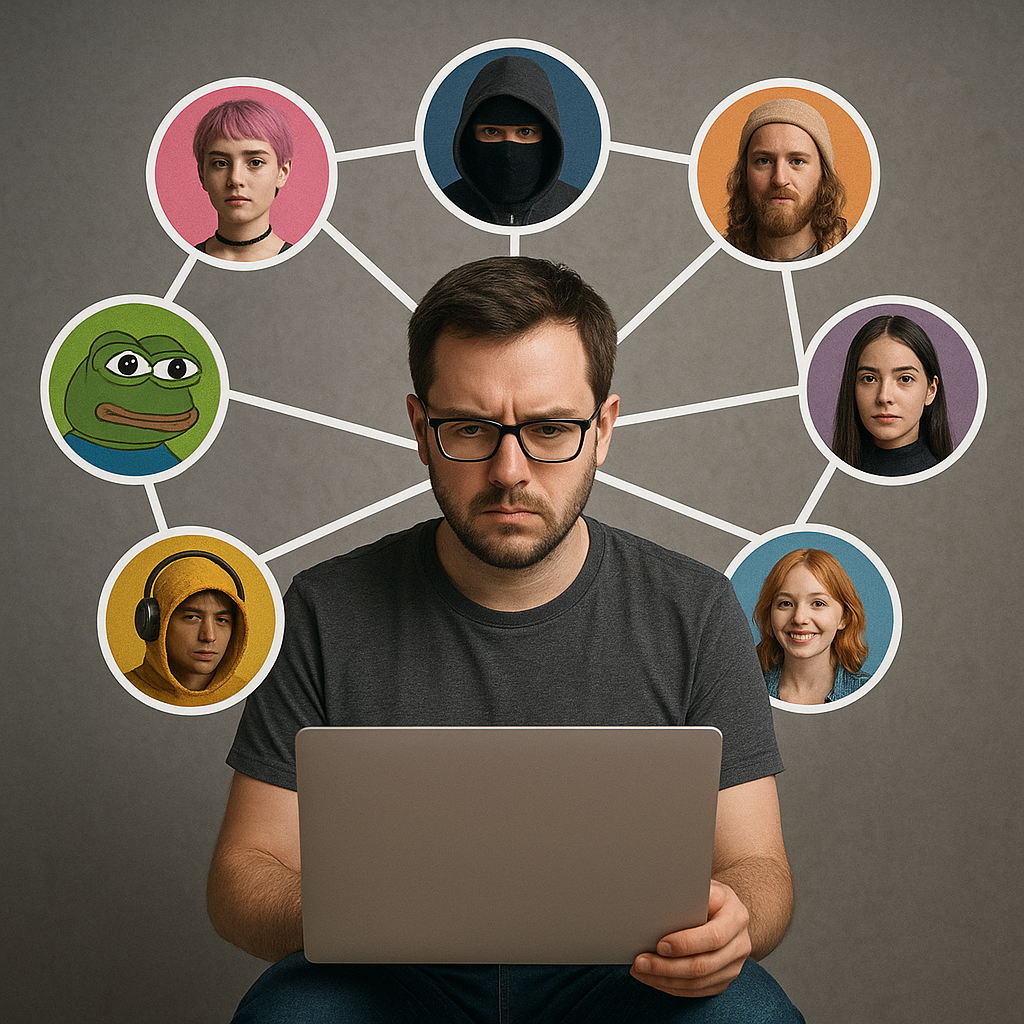
The internet is no longer a monolithic space where everyone encounters the same information. Instead, it has splintered into myriad online microcosms, each shaped by unique interests, platforms, and interaction styles. From tight-knit hobbyist forums to sprawling social media ecosystems, digital spaces now cater to users who seek content that aligns with their specific tastes and values. Understanding this shift reveals how fragmentation influences our sense of belonging, the spread of ideas, and even the future of global discourse.
Microcosms Online: The Rise of Subcultures
Once upon a time, forums and bulletin boards hosted broad discussions on technology, pop culture, and news. Today, the scene is dramatically different. Numerous niche communities have emerged, each focused on narrowly defined topics such as vintage camera restoration, avant-garde music sampling, or bespoke knitting patterns. These subcultures thrive on platforms that facilitate focused interaction, like Discord servers, Reddit subreddits, and specialized apps. As a result, the overall landscape of the internet resembles a patchwork quilt of passion-driven enclaves.
Members of these microcosms often participate daily, driven by the satisfaction of mutual attention and prompt feedback. This growth of specialized spaces contrasts with the earlier era of generalized newsfeeds and megaphone-style broadcasting. Within these subcultures, people develop shared jargon, inside jokes, and cultural touchstones that set them apart from mainstream audiences. Such cultivated identities deepen the bond between participants, making it harder for outsiders to fully grasp the nuances without a period of immersion.
Platforms themselves encourage this segmentation. By providing tools for the creation of private groups, channels, and tag-based filters, they empower users to carve out modular corners of the web. As communities iterate on these resources, they become self-reinforcing ecosystems where the likelihood of serendipitous encounters with unrelated content declines. In essence, each user can build a customized online habitat that feels tailor-made for their tastes.
Algorithms and the Tailoring of Content
Modern social media platforms deploy advanced recommendation engines that learn individual preferences with astonishing precision. Every click, like, or dwell time informs the algorithm, enabling it to deliver increasingly relevant material. While this approach maximizes engagement, it also cements user habits within narrower streams of information. The more a person interacts with a particular theme, the more that theme dominates their feed, creating a feedback loop that deepens subcultural alignment.
Critics warn that these algorithmic cocoons foster echo chambers, which can insulate groups from dissenting viewpoints. Within a tightly curated feed, users rarely stumble upon content that challenges their existing beliefs. Over time, this homogenization of perspective can heighten polarization and reduce the capacity for cross-community dialogue. Conversely, defenders argue that users value speed and convenience: why should one scroll past perfectly matched posts just for the sake of spontaneous variety?
In addition, platforms experiment with different surfacing strategies—stories, reels, or ephemeral posts—to keep consumption dynamic. While this variety appears to broaden experience, it often serves to fine-tune the signal-to-noise ratio. Users glimpse the same core interests presented through multiple formats, reinforcing their main cultural affinities. Under the surface, the machinery of artificial intelligence and machine learning orchestrates these patterns of consumption, making selective exposure the new normal.
Community, Identity, and the Search for Niche
People have always sought groups where they feel understood. In the digital domain, this urge translates into a quest for hyper-personalized communities. Whether it’s a collective of eco-conscious gamers advocating for sustainability in virtual worlds or a forum dedicated to experimental textile art, individuals gravitate toward contexts that reflect their distinctive identities. Such spaces provide a sense of community and validation otherwise hard to find in mass-media environments.
Subcultures also foster creativity. When participants share deep expertise, they push each other to innovate. For example, an online cohort of independent comic artists might collaborate on a crowd-sourced anthology, leveraging shared feedback and peer critique to refine their craft. These collaborative ventures underscore how fragmentation can yield pockets of remarkable artistic and intellectual flourish.
However, intense focus on niche interests sometimes leads to insularity. Newcomers may find the community’s internal references or high barriers to entry bewildering. Linear pathways for learning the ropes—through pinned guides or mentorship programs—become crucial. Successful subcultures strike a balance between exclusivity (to preserve their unique culture) and accessibility (to welcome fresh perspectives that sustain long-term growth).
Challenges and Opportunities Ahead
As the internet continues to evolve, stakeholders must navigate both the drawbacks and benefits of subcultural division. On one hand, fragmented spaces can accelerate innovation by connecting passionate individuals. On the other, they risk deepening societal divides if cross-group interaction dwindles. Addressing these tensions requires platforms to design features that encourage occasional cross-pollination without undermining users’ desire for tailored experiences.
One promising approach involves curated “town square” events—digital gatherings where multiple subcultures intersect around a common theme. Such initiatives can spark serendipitous discoveries and foster empathy by exposing participants to adjacent viewpoints. Meanwhile, platform designers can refine algorithms to sprinkle in a small percentage of diverse content, ensuring that no community becomes utterly hermetic.
Ultimately, the internet’s fragmentation into subcultures is neither a bug nor a feature in isolation. It reflects users’ yearning for identity, tailored content, and genuine connection. By consciously weaving bridges between these microcosms—through shared projects, thoughtful design, and a commitment to diversity—we can harness the power of specialization while preserving the internet’s potential as a unifying global commons.