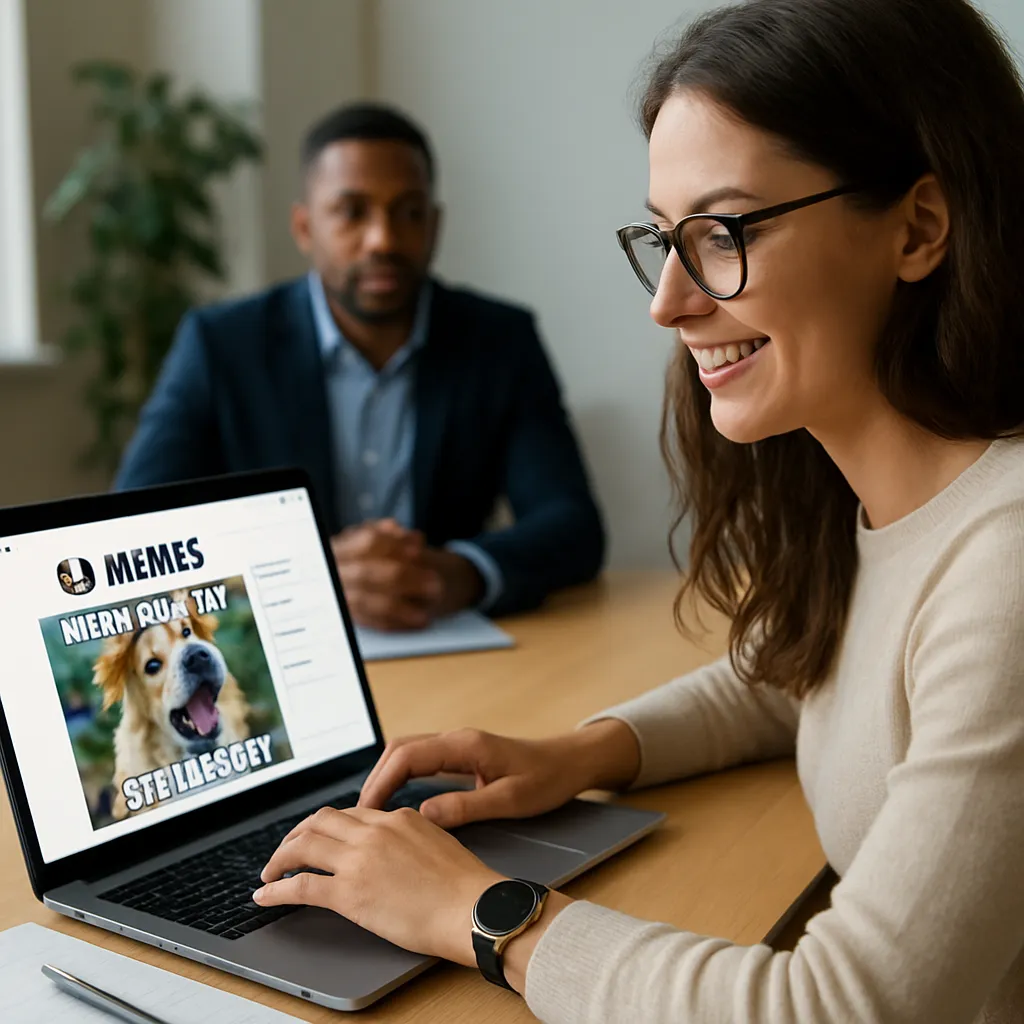
Memes have transcended their humble origins as simple internet jokes to become a powerful tool for modern marketing. A new breed of professionals, often called meme managers, is emerging within brands’ social media teams. These specialists harness the viral nature of memes to foster genuine connections, inject humor into promotional content, and navigate the rapid-fire culture of online platforms.
The rise of memes as a marketing force
The early days of social media saw memes as a spontaneous byproduct of online communities. Today, brands recognize that a well-timed image macro or short video clip can achieve virality in hours—sparking conversations across demographics. This shift is driven by:
- Engagement: Memes invite comments, shares, and reactions at rates far exceeding traditional ad formats.
- Relatability: By tapping into existing jokes or cultural references, memes feel less commercial and more peer-to-peer.
- Speed: Memes can be created and deployed within minutes, allowing brands to respond to trending events in real time.
- Cost-efficiency: Many memes rely on free or low-cost assets, reducing production budgets.
Key industry milestones
Several high-profile campaigns have highlighted the power of meme-driven strategies: Wendy’s social media banter turned fast food promotions into headline news, while Netflix leveraged fan-made memes to hype new series. These successes inspired brands across sectors—from automotive to fashion—to explore the untapped potential of meme culture.
Wearing the meme manager hat: core responsibilities
A meme manager must balance humor with brand coherence. Their day-to-day duties often include:
- Monitoring trending topics and viral loops on platforms like Twitter, TikTok, and Reddit.
- Curating user-generated content and gaining permissions to repurpose community jokes.
- Designing original memes that align with campaign strategy and brand voice.
- Collaborating with art and copy teams to ensure visual quality and legal compliance.
- Tracking performance metrics—such as impressions, shares, and sentiment—through social media analytics.
Essential skills for success
- Deep cultural awareness of internet subcultures and niche communities.
- A strong sense of timing: recognizing when a trend is peaking or fading.
- Proficiency with image and video editing tools for rapid content creation.
- Excellent communication to bridge the gap between creative vision and marketing goals.
Advantages for forward-thinking brands
Incorporating a dedicated meme manager yields multiple benefits:
- Authenticity: Audiences trust content that feels handcrafted by insiders rather than polished by distant agencies.
- Increased brand community growth through organic sharing and user participation.
- Enhanced campaign agility, allowing firms to pivot messaging within hours of cultural shifts.
- Improved ROI, as meme-based posts can outperform paid ads on a cost-per-engagement basis.
Case study spotlight
An emerging sportswear label hired a meme manager to reboot its social channels. By weaving timely gym humor and fitness fails into their feed, the company saw a 45% surge in follower growth over three months. User-generated memes further amplified reach, delivering free exposure equivalent to thousands of advertising dollars.
Potential pitfalls and ethical considerations
No strategy is without risks. Meme managers must navigate:
- Copyright and trademark issues when using third-party images or audio clips.
- The fine line between edgy humor and offense; missteps can ignite backlash faster than any ad flop.
- Platform algorithm changes that may deprioritize low-production-value posts, regardless of creativity.
- Ensuring inclusivity and avoiding stereotypes that could alienate key audience segments.
Best practice guidelines
- Maintain an internal approval process to vet memes for compliance and sensitivity.
- Document trending sources and image attributions to safeguard intellectual property.
- Balance experimental content with evergreen posts that reinforce core brand values.
- Solicit feedback from diverse teams to catch unintended tone-deaf messages.
Future trends in meme-centric marketing
As digital landscapes evolve, meme managers will adapt innovative tools and platforms:
- AI-driven meme generators capable of producing dozens of variations in seconds.
- Augmented reality (AR) lenses and filters that transform user environments into branded joke scenes.
- Cross-platform campaigns where memes migrate seamlessly from Instagram to emerging virtual spaces.
- Data-driven insights pinpointing exactly which humor styles resonate with segmented audiences.
Brands that invest in specialized roles to craft and distribute meme content position themselves at the cutting edge of consumer engagement. By treating memes not as ad-hoc afterthoughts but as strategic assets, companies can nurture more authentic dialogues, boost shareability, and ultimately strengthen their branding in the hearts and minds of digital natives.