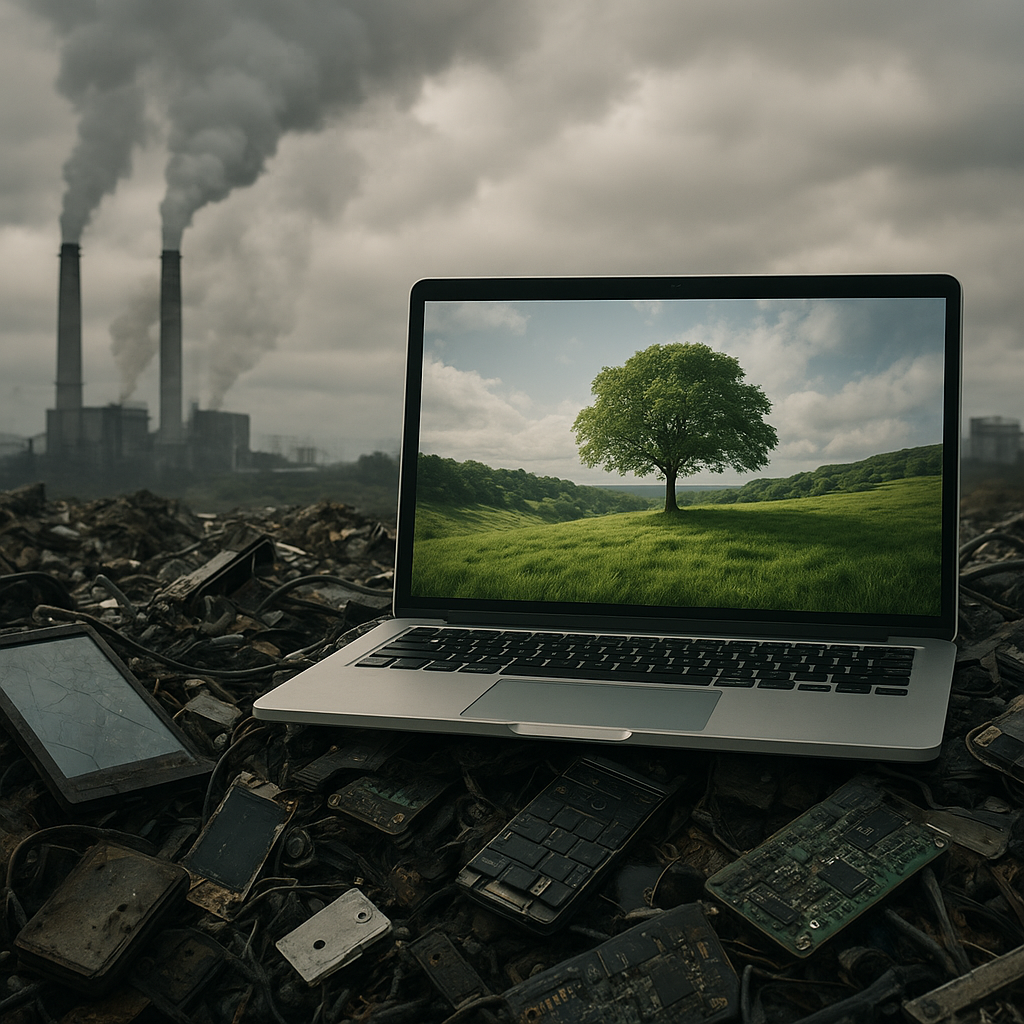
As digital landscapes evolve, a noticeable shift is unfolding among online influencers and content producers. Sustainability has become more than a buzzword; it’s shaping the way creators approach their online presence. This article explores how the internet and social media are witnessing a profound transformation driven by a desire to reduce environmental footprints, foster meaningful connections, and champion social responsibility through innovative strategies.
The Rise of Sustainable Content
In the past decade, audiences have grown increasingly conscious of environmental and social issues. This awareness has spurred content creators to rethink their production processes, from video shoots to merchandise drops. Instead of prioritizing rapid growth at any cost, many are embracing sustainability as a core principle, weaving it into their brand narratives and daily operations.
Influence of Audience Values
- Consumers now expect transparency about resource use and carbon footprints.
- Ethical considerations influence purchase decisions, leading to increased demand for eco-friendly products and services.
- Online communities reward creators who showcase responsible behavior through higher engagement rates.
Platforms Encouraging Change
Major social media networks are responding to user demand by introducing features that highlight green initiatives. For instance:
- Algorithms that promote posts tagged with #SustainableLiving or #ClimateAction.
- Partnership opportunities for creators collaborating with environmental NGOs.
- In-app shopping tools for sustainable brands, enabling direct sales without external links.
Strategies Employed by Modern Creators
Successful influencers and digital publishers are leveraging a variety of tactics to balance growth with responsibility. Their efforts revolve around four main pillars: content, collaboration, transparency, and community engagement.
1. Content with a Conscious Core
- Producing tutorials on zero-waste living and DIY upcycling projects.
- Showcasing behind-the-scenes processes to highlight resource-saving measures.
- Partnering with sustainable brands for honest product reviews rather than paid endorsements alone.
2. Collaborative Campaigns
By forming alliances with NGOs, scientists, and fellow creators, content producers amplify their messages. These collaborations often take the form of:
- Joint livestreams organized to raise funds for reforestation projects.
- Multi-creator challenges encouraging audiences to reduce plastic waste.
- Virtual panels and webinars discussing innovation in renewable energy.
3. Emphasis on Transparency
Audiences crave honesty. Creators who post detailed sustainability reports, share cost breakdowns, and admit where improvements are needed build stronger trust. Transparency fosters authenticity, which in turn drives long-term loyalty and higher engagement.
4. Engaging Community Initiatives
Interactive campaigns invite followers to participate in eco-challenges, recycling drives, or clean-up events. By making sustainability a shared journey, creators transform passive viewers into active participants, strengthening the sense of community and shared purpose.
Challenges and Future Prospects
Despite notable progress, the sustainability journey is far from seamless. Creators face logistical hurdles, financial constraints, and the ever-present pressure to maintain rapid growth. However, each obstacle also brings an opportunity for innovation and deeper audience connections.
Key Challenges
- Higher production costs associated with ethically sourced materials.
- Limited platform support for tracking carbon offsets tied to content creation.
- Balancing algorithm-driven demands for constant posting with the need for mindful, quality content.
Paths Forward
Emerging trends suggest that the future will reward those who embrace a holistic approach:
- Integration of blockchain for transparent supply chains and fair trade verification.
- Use of AI tools to optimize resource allocation, reducing waste in production schedules.
- Development of subscription models prioritizing long-term value over one-time transactions, strengthening creator-audience bonds.
As more creators prioritize innovation and adopt experimental formats—such as immersive virtual reality experiences highlighting the effects of climate change—the online ecosystem becomes a powerful catalyst for real-world transformation. Future social media trends will likely hinge on how effectively influencers can measure and communicate their impact, reinforcing the idea that digital influence can drive tangible ecological and social progress.