Artificial Intelligence has begun to redefine how creators, brands, and audiences interact with audio content online. By harnessing sophisticated speech synthesis models, AI voiceovers deliver clarity, efficiency, and a new level of creative freedom. This transformation impacts podcasts, video narrations, social media shorts, e-learning modules, and more, ushering in a dynamic era for digital storytelling.
Transforming Narration with AI Voiceovers
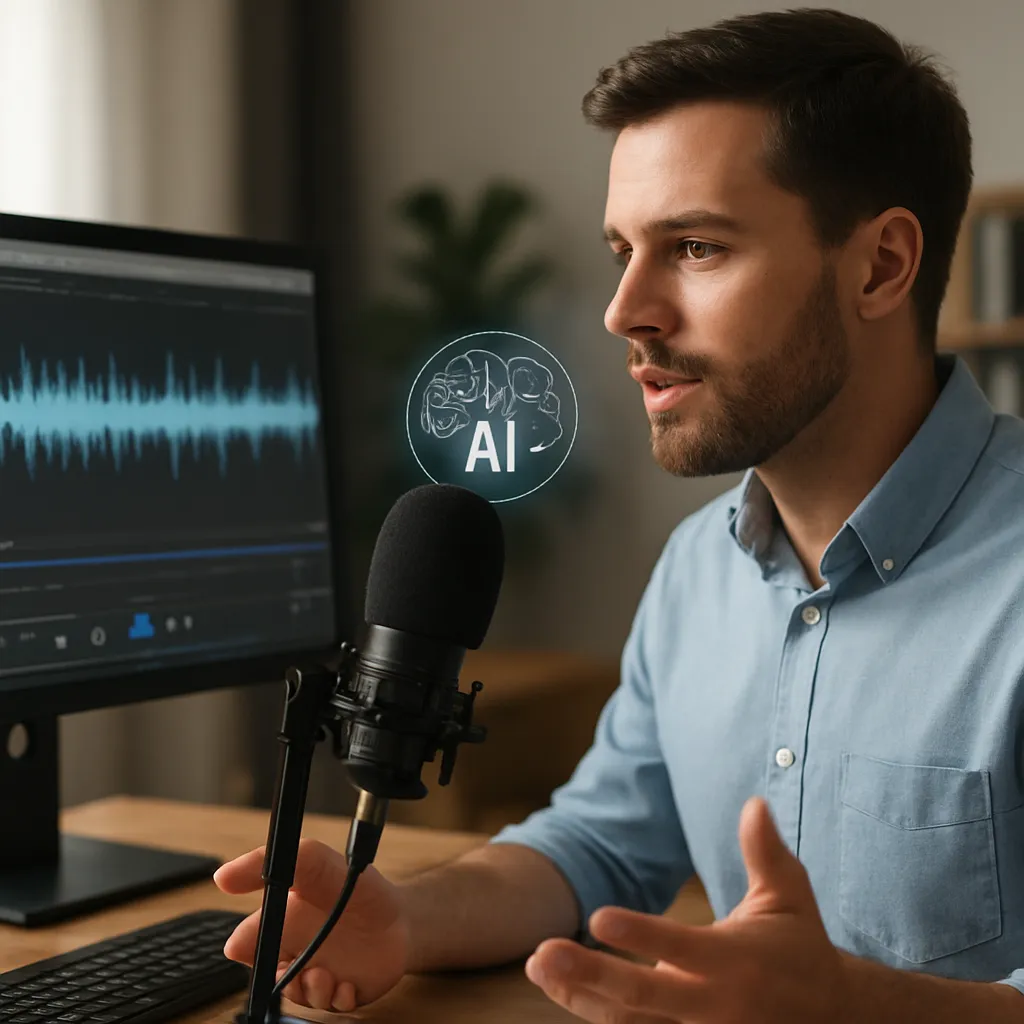
AI voiceovers leverage deep learning algorithms to analyze vast datasets of human speech, enabling the generation of realistic, emotive, and customizable voices. Content creators benefit from:
- scalability: produce hundreds of audio clips simultaneously without hiring multiple voice actors
- cost-effective workflows: reduce expenses related to recording studios, equipment, and talent fees
- consistency: maintain a uniform tone and style across different projects
- multilingual support: generate voiceovers in dozens of languages with native-like pronunciation
- real-time editing: tweak scripts on the fly and instantly preview audio results
Such advancements empower creators to experiment with tonal variations, pacing, and character voices. In marketing campaigns, brands adopt AI voiceovers to craft tailored messages for segmented audiences, injecting personality into automated responses and interactive experiences. For narrative-driven media, from documentaries to audio novels, AI voice synthesis enriches production value while slashing turnaround times.
Enhancing Social Media Engagement
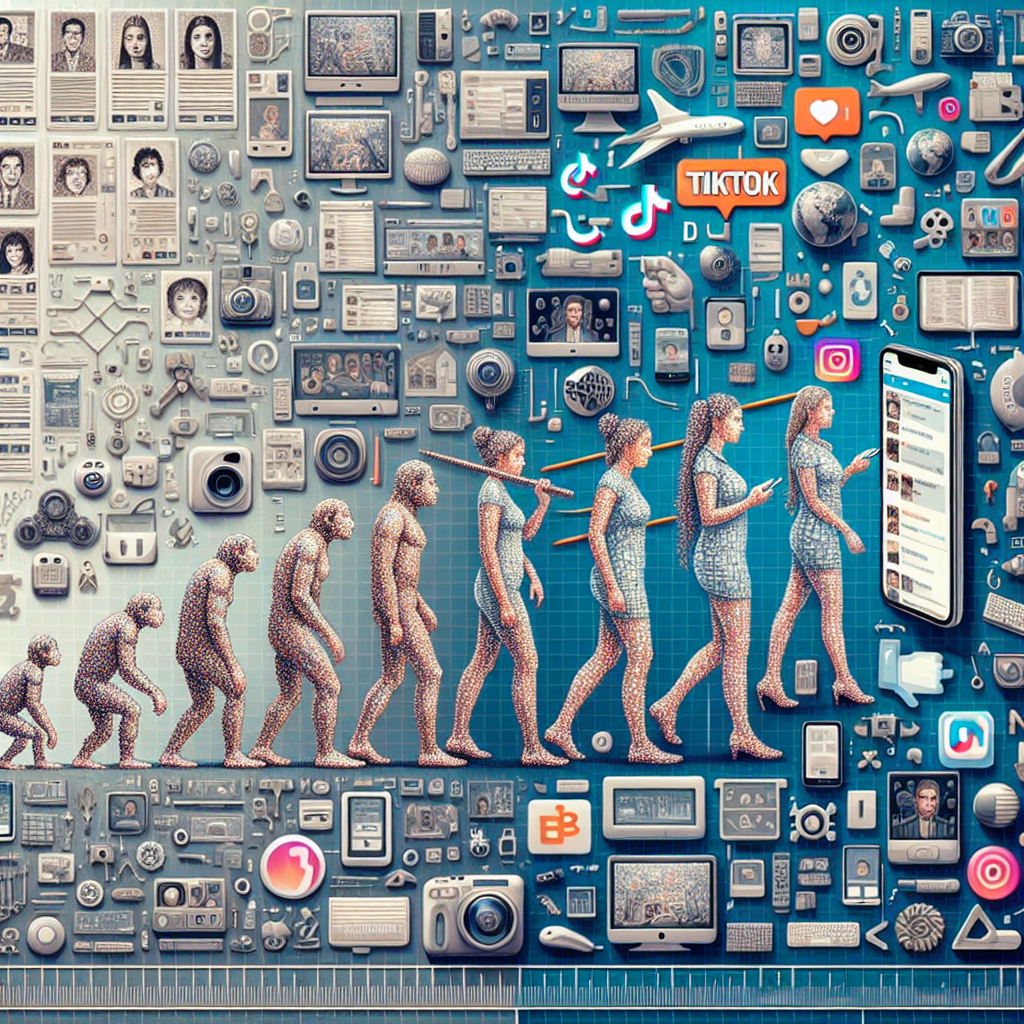
On platforms like Instagram, TikTok, and YouTube, the competition for user attention is fierce. AI-generated voiceovers amplify social media strategies by offering:
- Accessibility features such as automated closed captions and descriptive audio
- Dynamic storytelling tools that align narration with visual edits
- Rapid localization for global audiences, ensuring cultural nuances are respected
Creators can produce short-form content with conversational narrators, crafting quick tutorials, product demonstrations, or behind-the-scenes clips without the logistical overhead of traditional recording. Emerging trends include personalization-driven ads where AI voices call viewers by name, and interactive polls voiced in real time to boost engagement. Brands often integrate chatbots with synthesized voices, providing a more natural user experience in direct messaging or customer support on social channels.
Trends Driving Adoption
Several trends are propelling the rise of AI voiceovers in content creation:
- Democratization of Tools: cloud-based platforms offer intuitive interfaces where non-technical users generate high-quality audio.
- Advances in Neural Networks: models like WaveNet and Tacotron produce lifelike intonation, reducing the uncanny valley effect common in early text-to-speech.
- API Ecosystems: integration with editing suites and publishing pipelines accelerates deployment in multimedia projects.
- Data-Driven Customization: analytics inform voice selection based on demographic insights, optimizing tone, gender, and style.
- Collaborative Creativity: voice style libraries enable cross-team consistency and rapid iteration on audio identity.
Influencers increasingly rely on AI narrators to monetize long-form content, turning podcasts into multilingual series, while educators employ AI voices to scale e-learning modules globally. Live streaming platforms experiment with synthetic commentators, allowing simultaneous coverage of events in various languages without the need for multiple hosts.
Addressing Ethical and Quality Concerns
Despite widespread benefits, the proliferation of AI voiceovers raises important questions:
- Ownership of synthetic voices and consent from individuals whose voices are emulated
- Potential for deepfake audio misuse in misinformation or unauthorized endorsements
- Balancing automation with the nuanced expressiveness of human performers
- Bias in training data leading to accent or gender misrepresentation
Industry leaders and regulators are collaborating to establish guidelines for watermarking AI-generated audio, verifying authenticity, and securing intellectual property rights. Responsible platforms now include voice credits and transparency reports. Moreover, hybrid workflows that combine human direction with AI assistance strive to preserve artistic integrity while leveraging automation for routine tasks.
Future Outlook for AI Voice in Content Creation
Looking ahead, AI voiceover technology will continue to evolve alongside emerging digital trends:
Immersive Media Experiences
Integration with augmented reality (AR) and virtual reality (VR) promises context-aware narration that responds to user interactions in real time. Imagine virtual tours guided by AI voices that adjust commentary based on a visitor’s gaze and preferences.
Emotionally Intelligent Speech
Next-generation models will detect and replicate emotional cues more precisely, offering creative opportunities for adaptive storytelling in games, films, and personalized playlists.
Voice as a Service (VaaS)
Subscription-based interfaces allow developers to embed customizable voice modules into apps, chatbots, and interactive installations. Voice branding becomes as accessible as visual logos, reinforcing brand identity across audio touchpoints.
Enhanced Analytics Integration
By merging voice performance data with audience metrics, content strategists measure the impact of tone, pitch, and speaking rate on engagement and conversion, fine-tuning scripts for maximum resonance.
The synergy between AI voiceovers and content creation will redefine how stories are told, heard, and remembered. As the technology matures, creators who embrace these tools will gain a competitive edge, unlocking richer narratives and deeper audience connections.