The digital landscape is constantly evolving, and content creators are seeking new ways to reach diverse audiences. Among the most powerful tools for enhancing user experience online are captions and accessibility features. These elements do more than satisfy regulatory compliance requirements; they foster a truly inclusive environment where every user has an equal opportunity to engage with multimedia materials. Exploring the interplay of social media trends, algorithm priorities, and emerging technologies reveals why attention to captions and accessibility is not just ethical—but strategic.
Accessibility Beyond Compliance
Accessibility often starts with checkboxes: alt text for images, keyboard navigation, and transcripts for audio. Yet a deeper commitment moves past mere adherence to WCAG standards and into a mindset of universal design. By prioritizing accessibility from the earliest stages of content planning, brands can:
- Enhance user engagement by reducing friction for people with disabilities.
- Improve SEO and discoverability as search engines index captions and transcripts.
- Reach new audiences, including non-native speakers and the hard of hearing.
Building accessibility into every step of content creation— from storyboarding to post-production—creates a foundation of innovation that pays dividends across platforms. Rather than an afterthought, accessibility becomes a competitive advantage.
Captions as a Bridge to Inclusive Content
Benefits of Closed Captioning
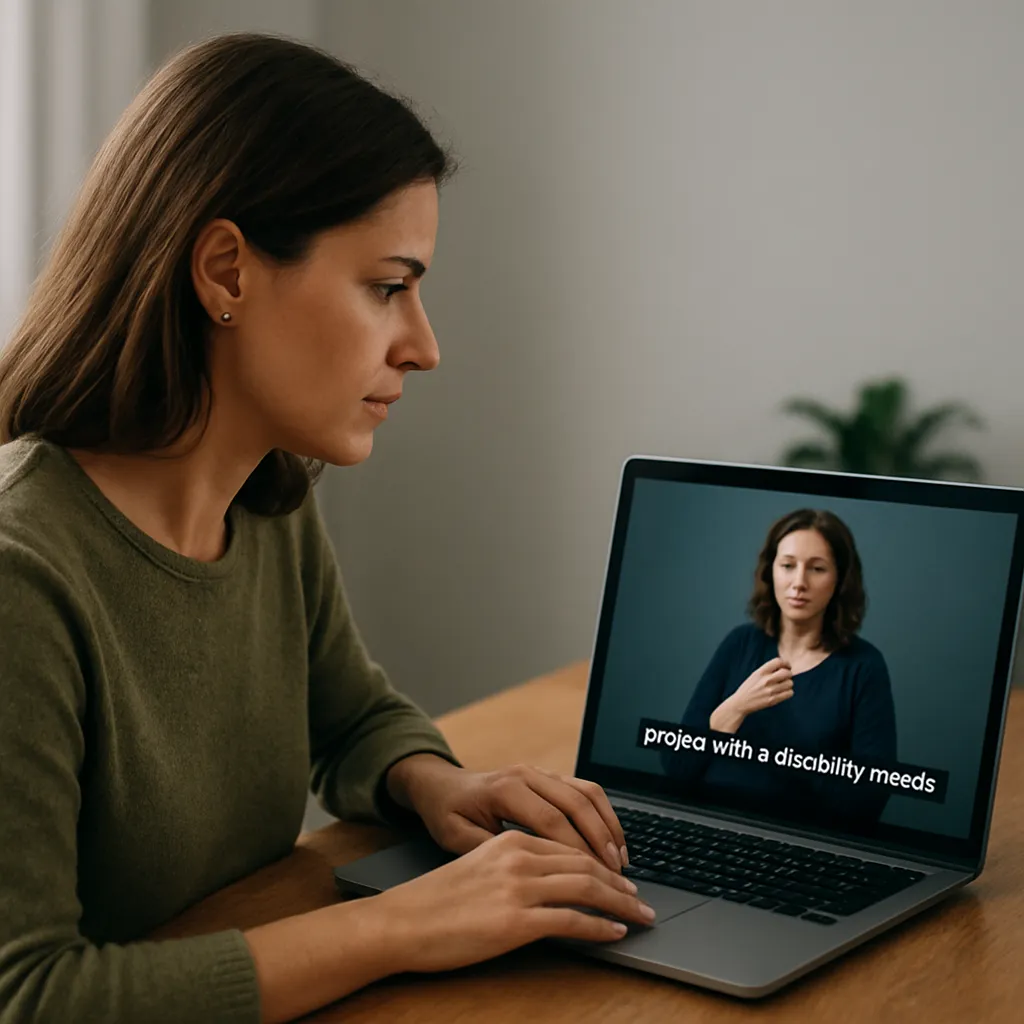
- Audiovisual clarity: Viewers can follow dialogue even in loud environments or when playing videos on mute.
- Retention and comprehension: Learning studies show that captions support memory recall.
- Wider reach: People watching in quiet zones, gyms, or public transit benefit from text overlays.
Open vs. Closed Captions
While open captions are always visible, closed captions can be toggled on or off by the viewer. Each approach has its place:
- Open captions guarantee that critical information is never missed, ideal for promotional loops in public spaces.
- Closed captions respect personal preference and bandwidth constraints, making them perfect for social media platforms where user control reigns.
Social Media Trends and Captioning Tools
Social platforms have recognized the power of captions in boosting watch time and completion rates. Algorithms reward content that retains attention, and captioned videos see up to 80% higher engagement. Key trends include:
Automatic Caption Generation
Advances in AI-driven speech recognition have enabled real-time and post-production captioning services. Major social networks now offer built-in tools, though quality varies.
- Accuracy rates can dip with background noise or strong accents.
- Post-edit features allow creators to quickly correct errors.
Community-Created Captioning
Platforms like YouTube allow fans to contribute captions. This crowdsourced model not only improves accuracy across languages but also fosters a sense of community ownership.
Best Practices for Effective Captions
Creating captions that truly resonate requires more than machine transcripts. Follow these guidelines to maximize impact:
- Maintain synchronization: Ensure text appears exactly when the speech or sound effect occurs.
- Incorporate speaker labels and sound descriptions: A caption like “[door creaks]” helps people understand context.
- Keep lines concise: Break lines at natural pauses to avoid overwhelming viewers.
- Use readable fonts and appropriate contrast: Legibility is key, especially on small screens.
Emerging Technologies Shaping Accessibility
Innovators are pushing the boundaries of accessibility with new solutions:
- Live captioning powered by edge computing reduces latency for live streams and webinars.
- Augmented reality overlays provide on-the-fly sign language interpretation.
- AI algorithms analyze engagement metrics to suggest personalized accessibility settings.
These breakthroughs hold the promise of deeper inclusion, transforming once-static content into dynamic experiences tailored to each viewer’s needs.
Measuring the Impact of Accessibility Efforts
Quantifying the return on investment (ROI) for accessibility can be challenging, but data-driven approaches clarify the benefits:
- Engagement metrics: Compare watch time, shares, and comments before and after adding captions.
- Traffic sources: Track organic search growth as indexed transcripts drive new visitors.
- User feedback: Surveys and sentiment analysis reveal how audiences perceive your brand’s commitment to inclusion.
Actionable insights from these data points guide iterative improvements, ensuring accessibility remains a priority rather than a one-off project.
Collaborating for a More Inclusive Internet
Accessibility is a collective responsibility that spans creators, platforms, and end users. Building an ecosystem where captions and assistive features are standard requires collaboration:
- Content partnerships: Work with disability advocates to test and refine captioning workflows.
- Open-source contributions: Share tools and best practices with developer communities.
- Platform engagement: Petition social networks to elevate accessibility in their product roadmaps.
When the entire industry commits to accessible design, every participant benefits from improved user satisfaction and expanded market reach.
Trends on the Horizon
Looking ahead, several trends are poised to reshape how captions and accessibility integrate with digital culture:
- Personalized accessibility profiles that auto-adapt content appearance and caption style.
- Deeper machine translation for seamless multilingual captioning at scale.
- Immersive audio descriptions synced to 360° video and virtual reality experiences.
Staying informed about these developments enables creators to innovate and keep pace with audience expectations.
Conclusion of Ongoing Innovation
The journey toward full digital inclusion is continuous. By embracing community feedback, harnessing cutting-edge algorithms, and embedding accessibility in every stage of production, content creators can unlock greater reach and build stronger relationships with audiences worldwide. Captions are not just text on a screen; they are a gateway to understanding, connection, and equitable access for all.