In the rapidly evolving world of digital marketing, a new breed of online personalities has emerged to captivate audiences and drive brand engagement. These entirely computer-generated characters are changing the way companies approach influencer campaigns, offering unprecedented control over messaging, aesthetic, and timing. As their popularity grows, marketers are exploring innovative strategies to harness their potential and address the unique challenges they present.
Emergence of Virtual Influencers
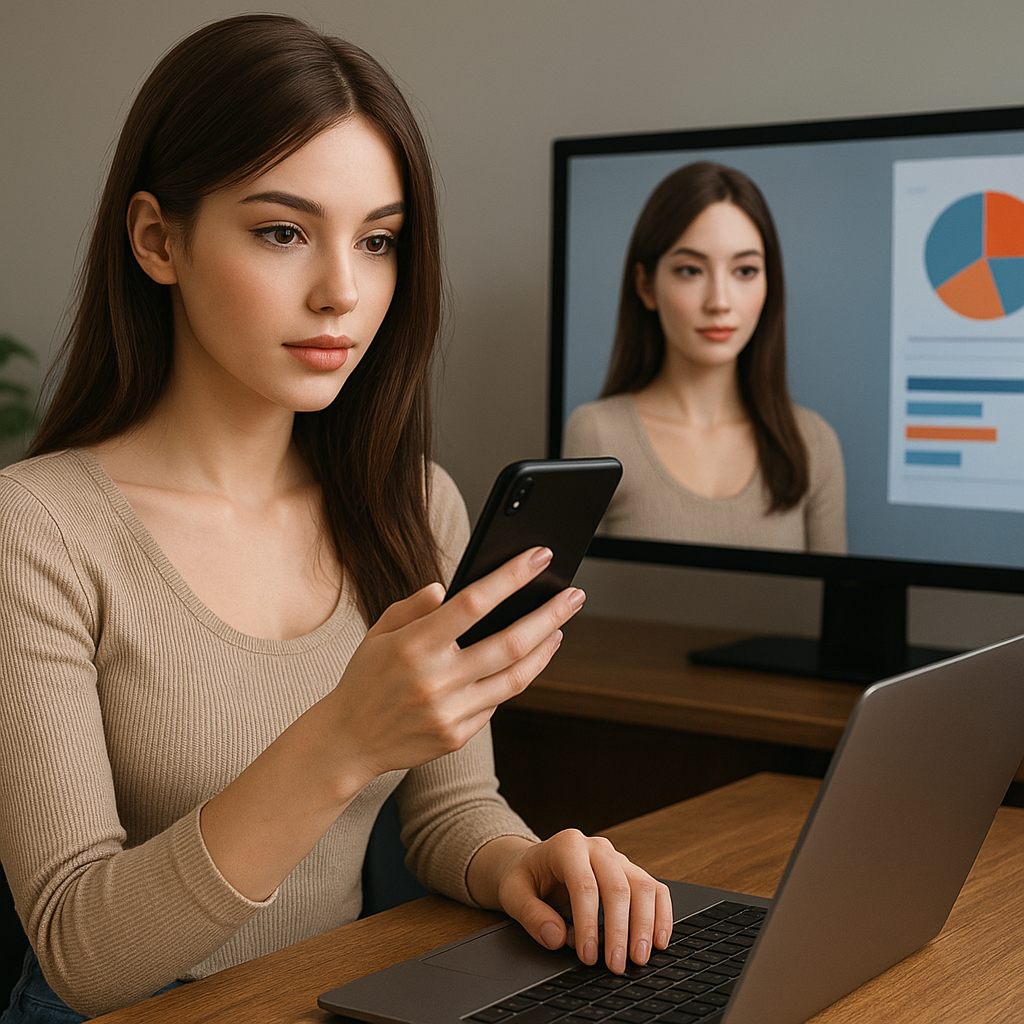
The concept of fully realized, animated spokespeople is not new, but only in recent years have technological advancements allowed for lifelike, interactive characters that blur the line between fiction and reality. Pioneers in this space, such as Lil Miquela and Shudu Gram, paved the way for a generation of digital personas who can appear on social media feeds, attend red-carpet events via hologram, and even sign endorsement deals. Driven by sophisticated AI, motion capture, and high-fidelity rendering, these figures offer brands unmatched flexibility and cost-effectiveness.
Defining Characteristics
- Virtual influencers are crafted with distinct personalities, backstories, and aesthetic styles that resonate with target demographics.
- They operate on platforms like Instagram, TikTok, and YouTube, posting curated content that mimics human influencer behavior.
- Their creators can control every aspect—from wardrobe and dialogue to posting schedule—ensuring seamless alignment with brand values.
Thanks to this meticulous crafting, these digital ambassadors can maintain a perfectly consistent brand voice, free from real-world controversies that often plague human influencers.
Impact on Marketing Strategies
Brands are leveraging virtual influencers to spearhead personalization efforts and deliver immersive campaigns that transcend traditional advertising. By integrating these characters into product launches, social media takeovers, and interactive chat experiences, companies can captivate audiences with a fresh, futuristic appeal.
Enhancing Audience Engagement
Research indicates that posts featuring virtual influencers can yield higher engagement rates compared to conventional campaigns when executed effectively. Marketers attribute this to the novelty factor, coupled with the characters’ ability to interact via AI-driven chatbots, quizzes, and polls. As a result, consumers feel more connected to the brand’s narrative.
Case Studies and Success Stories
- Luxury fashion houses have collaborated with digital models to showcase new collections in immersive virtual runway shows, boosting shares and media coverage.
- Beauty brands employ these characters to demonstrate tutorials and product trials in augmented reality filters, seamlessly blending entertainment with demonstration.
- Tech companies introduce virtual pop stars powered by AI to promote new devices, resulting in viral dance challenges and user-generated content.
These initiatives illustrate how a digital-first approach can amplify reach, foster community participation, and generate valuable user data for data-driven marketing efforts.
Challenges and Ethical Considerations
While the advantages are compelling, the rise of virtual personalities also poses questions regarding authenticity, transparency, and consumer trust. As these figures grow more indistinguishable from real humans, some audiences express concern over potential deception or manipulation.
Transparency and Disclosure
Regulatory bodies in several regions now require clear disclosure when content is created or sponsored by non-human entities. Without explicit labeling, virtual influencer campaigns risk breaching advertising standards and eroding public confidence. Brands must adopt best practices, such as:
- Employing hashtags like #ad or #sponsored alongside digital content.
- Including a brief statement in profiles clarifying the virtual nature of the influencer.
- Ensuring all endorsements carry mandated disclaimers, especially in sensitive categories like health and finance.
Balancing Creativity and Responsibility
Marketers must also navigate the delicate balance between fostering creativity and upholding ethical guidelines. Concerns include:
- Potential misuse of AI to create deepfakes or unauthorized replicas of real individuals.
- Risk of reinforcing stereotypes if character designs rely on clichéd tropes.
- Ensuring that data collected through interactions respects user privacy and complies with global regulations.
By proactively addressing these issues, brands can champion responsible innovation and cultivate lasting trust with their audiences.
Future Trends and Opportunities
The intersection of digital personalities and emerging technologies promises further evolution in how brands connect with consumers. Leading trends to watch include:
Integration with the Metaverse and Gaming
As virtual worlds expand, digital ambassadors will take center stage in immersive environments. From hosting in-game concerts to guiding users through branded experiences, these influencers will drive cross-platform engagement and open new monetization avenues.
Advancements in Augmented Reality and Virtual Commerce
Augmented reality filters featuring virtual influencers will enable consumers to virtually try on products before purchasing. By layering digital strikes of makeup or fashion items onto live camera feeds, brands can bridge the gap between browsing and buying.
Blockchain-Powered Ownership and NFTs
Embracing blockchain, creators can offer limited-edition digital collectibles or avatar accessories, fostering community loyalty and generating alternative revenue streams. These tokens may represent exclusive virtual outfits or access to private online events.
In an increasingly saturated influencer ecosystem, virtual entities stand out by offering brands complete narrative control, boundless creative possibilities, and the potential to redefine audience interactions. As technology continues to evolve, marketers who skillfully blend innovation with ethical transparency will unlock the highest value from this digital frontier.