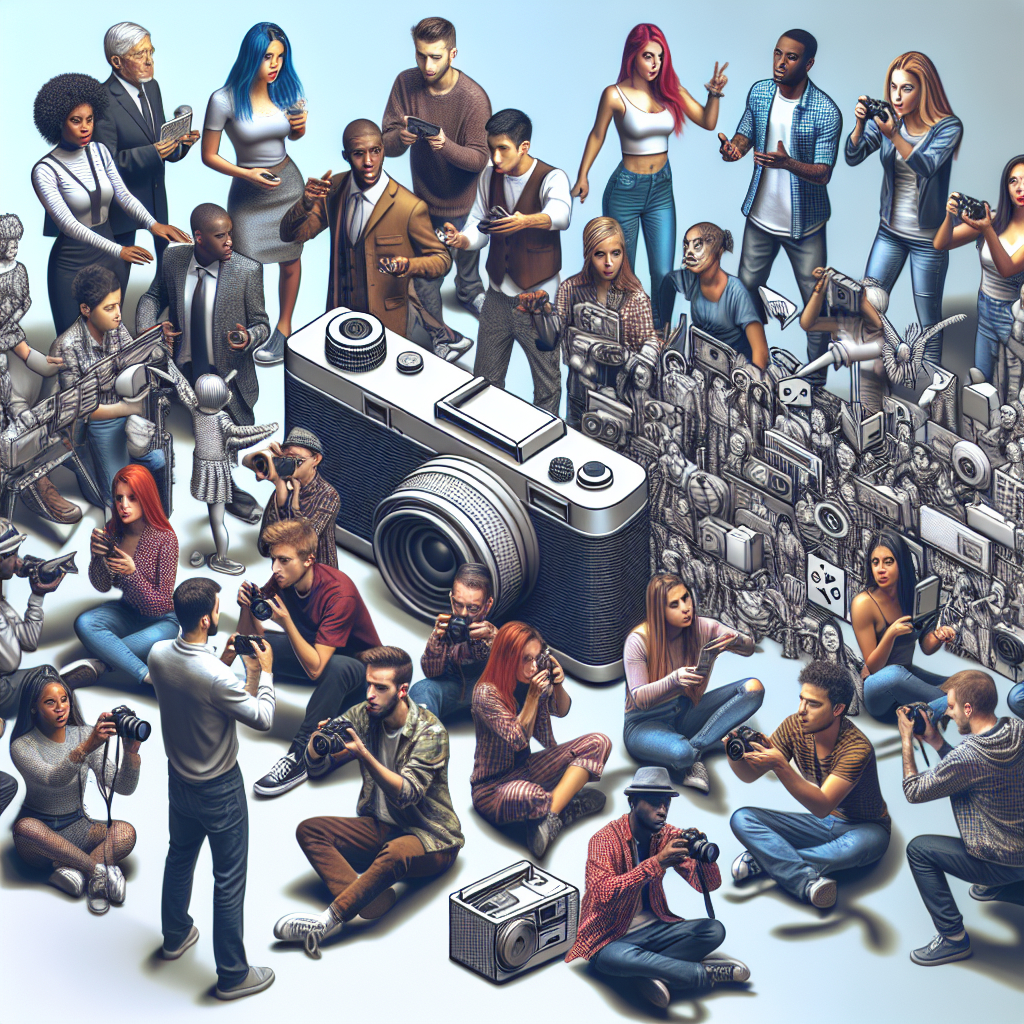
Amid the digital revolution, brands are discovering that weaving narratives can turn fleeting attention into lasting relationships. Digital storytelling blends creativity with technology, enabling marketers to craft immersive experiences that resonate on a human level. By harnessing the power of authentic narratives, companies can rise above the noise and foster deeper connections with their target audience.
The Rise of Digital Storytelling
Marketing has evolved from straightforward product pitches to immersive narratives that engage consumers on multiple sensory levels. At its core, digital storytelling is about shaping a brand’s journey into a compelling tale—one that invites audiences to become active participants rather than passive observers. This shift has been fueled by several key factors:
- Platform diversity: From social feeds to podcasts, audiences can choose how they consume content.
- Short attention spans: In a world saturated with information, a well-told story cuts through the clutter.
- Emotional resonance: Stories trigger empathy, building stronger memories than standalone facts.
Digital storytellers leverage multimedia elements—video, audio, animation, and interactive design—to create an environment where a brand’s narrative becomes unforgettable. Instead of static advertisements, campaigns now unfold like episodic series, encouraging users to follow along and share each chapter.
Key Components of a Compelling Digital Narrative
Crafting a story that captivates online audiences requires attention to detail. Successful marketers focus on several essential components:
1. Character and Conflict
Every story needs a protagonist and a challenge. Whether it’s a customer overcoming a pain point or a brand championing a cause, defining clear roles helps viewers relate. A relatable hero facing an obstacle keeps audiences invested in the outcome.
2. Visual and Interactive Elements
Rich visual content—infographics, high-resolution photos, cinemagraphs—draws eyes and encourages shares. Interactive features, like polls, quizzes, or gamified journeys, transform passive scrolling into engaging experiences. Embedding clickable hotspots in videos or using augmented reality filters can further immerse users.
3. Emotional Arc
Stories are powerful because they mirror the ups and downs of real life. Brands that map out an emotional journey—tension, climax, resolution—tap into feelings like joy, empathy, or nostalgia. This emotional arc fosters trust and cultivates brand loyalty.
4. Consistency Across Channels
A narrative that leaps from Instagram Stories to a blog post to a live stream must maintain a coherent voice and style. Consistent messaging ensures that each touchpoint strengthens the core story, rather than fragmenting the experience.
Leveraging Platforms: Social Media and Beyond
Different platforms offer unique storytelling opportunities. Understanding their strengths helps marketers tailor narratives for maximum impact.
- Instagram and TikTok: Ideal for short-form videos, behind-the-scenes glimpses, and user-generated content campaigns. Playlists of micro-stories encourage users to follow for the next installment.
- Facebook and Twitter: Effective for combining text and multimedia. Live events, Q&A sessions, and interactive posts can spark real-time conversations and widen reach through shares.
- Podcasting: Long-form audio allows brands to delve deeper into topics, interviews, and storytelling series. The intimate nature of voice fosters a strong emotional connection.
- Blogs and Newsletters: Written narratives provide a space for detailed case studies, thought leadership, and serialized fiction that aligns with brand values.
Case Study: A beauty brand used a cross-platform series to highlight sustainable sourcing. Short videos on TikTok introduced artisans, Instagram carousels showcased ingredients, while a podcast delved into the cultural heritage behind each product. This cohesive story boosted engagement by 40% and increased subscriptions by 25% within three months.
Measuring Impact and Future Trends
To ensure that storytelling drives tangible results, marketers must track performance metrics and refine strategies. Key indicators include:
- Engagement Rate: Likes, comments, shares, and click-through rates indicate how compelling the narrative is.
- Conversion Rate: Monitoring how many viewers take desired actions—purchases, sign-ups, downloads—demonstrates the story’s effectiveness at driving behavior.
- Time Spent: Dwell time on videos or interactive content reveals user interest levels.
- Sentiment Analysis: Analyzing comments and social buzz helps assess whether the story aligns with brand perception goals.
Looking ahead, several trends will shape the future of digital storytelling:
Artificial Intelligence and Personalization
AI-powered tools can curate narratives tailored to individual preferences, leveraging data-driven insights to assemble personalized story arcs in real time. From dynamic email content to chatbots that guide interactive tales, personalization boosts relevance.
Immersive Technologies
Virtual reality (VR) and augmented reality (AR) are breaking down the barriers between brand fiction and real-world experience. Virtual showrooms, 360-degree videos, and AR filters let consumers step inside a brand’s universe, deepening engagement.
User-Generated Storytelling
Encouraging customers to share their own experiences creates authentic narratives that amplify trust. Brands that incentivize user stories—through contests, social challenges, or hashtags—harness the power of community-driven content.
Sustainability and Social Responsibility
Audiences increasingly demand brands to stand for more than profit. Narratives that highlight ethical practices, community impact, and environmental stewardship resonate with socially conscious consumers and strengthen brand equity.
By integrating these emerging trends with core storytelling principles, marketers can craft campaigns that not only capture attention but also forge genuine connections, laying the groundwork for the future of marketing.