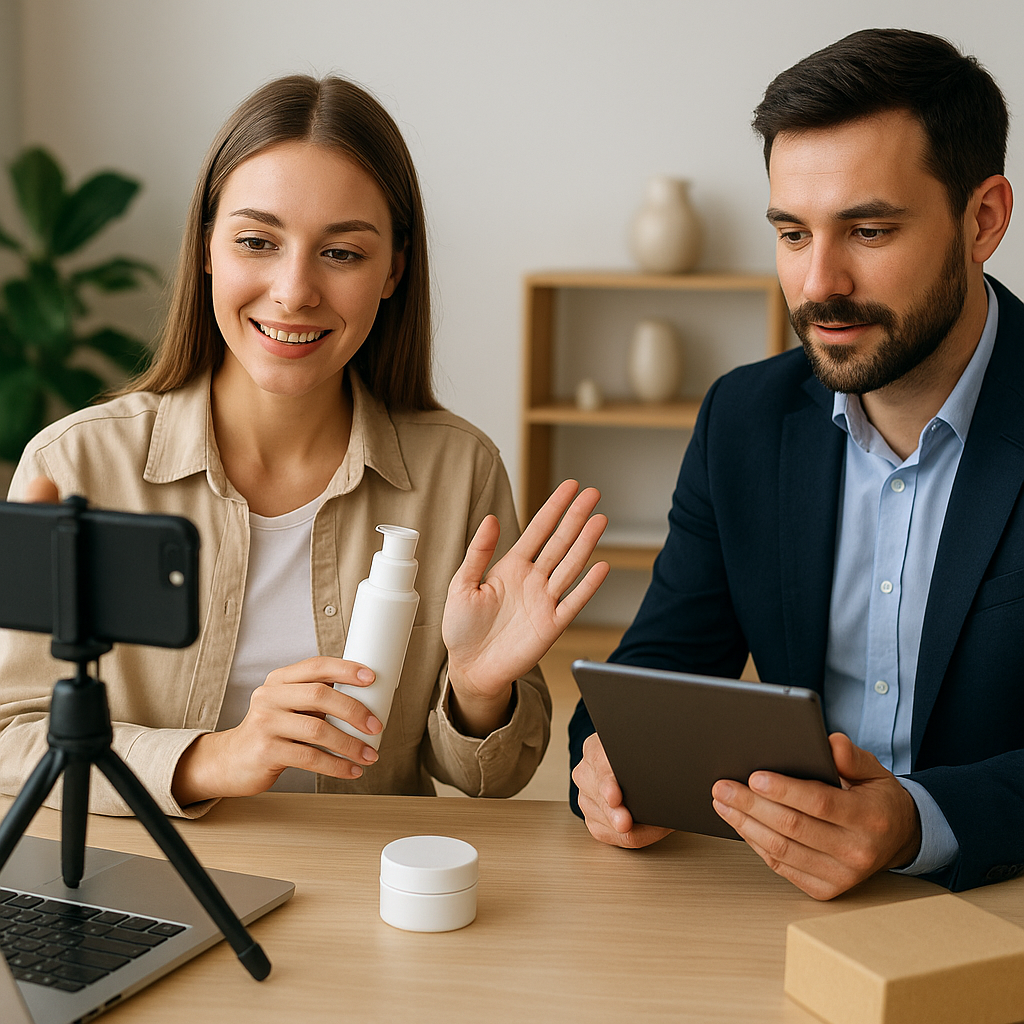
The landscape of digital marketing is undergoing a seismic shift as brands seek more meaningful ways to connect with audiences through influencer collaborations. What began as sporadic product placements has matured into sophisticated, long-term partnerships grounded in genuine storytelling, measurable impact, and strategic alignment. As platforms evolve and consumer expectations rise, brands and creators alike must adapt to stay ahead of the curve. This article explores the next wave of influencer-brand dynamics, from cutting-edge trends to actionable strategies that will define successful campaigns in the years to come.
The Evolution of Influencer Collaborations
Early influencer marketing resembled traditional celebrity endorsements: a famous face promoting a product in a glossy ad or TV spot. Yet social media democratized fame, giving rise to niche experts, everyday users, and voices that directly mirror consumer experiences. Today’s collaborations rely on authenticity, community trust, and an intimate understanding of followers’ needs.
Platforms constantly tweak their algorithm to surface the most relevant content. Creators must balance exploration of emerging formats—like short-form video and live sessions—with consistent quality. Brands, in turn, prioritize partnerships with individuals whose values and aesthetics align seamlessly with their own, rather than opting for celebrity reach alone.
The line between content creator and brand ambassador is blurring. Ambassadors often co-develop products, advise on design, and participate in strategic meetings. This deepens their investment and results in campaigns that feel organic rather than forced. Consumers recognize and reward this collaborative spirit with higher engagement rates and increased loyalty.
Meanwhile, the rise of micro-influencers and nano-influencers—creators with smaller but highly dedicated followings—challenges the notion that bigger is always better. These individuals often boast niche expertise and foster close-knit community bonds, translating to more meaningful interactions and higher conversion rates per follower. For many brands, working with a network of micro-influencers yields a better return than a single mega-influencer partnership.
Influencer marketing has also grown more regulated. Disclosure guidelines, advertising standards, and evolving platform policies demand transparency. Savvy brands anticipate these shifts, embedding clear disclosure practices into every brief and contract. This not only averts regulatory pitfalls but also reinforces trust with audiences that appreciate honesty.
Emerging Trends Shaping Brand-Influencer Relations
Staying ahead requires monitoring nascent developments and experimenting boldly. The following trends are poised to redefine the influencer ecosystem:
- Live Commerce: Real-time streaming platforms combine entertainment and shopping in one seamless experience. Influencers host live showcases, answer viewer questions, and guide purchase decisions instantly.
- Augmented Reality (AR) Filters: Brands collaborate with creators to design bespoke AR lenses and filters, encouraging followers to engage with products virtually and share user-generated content.
- Subscription Communities: Paid fan clubs on platforms like Patreon or private Discord servers enable deeper connections and exclusive offerings, driving recurring revenue and brand loyalty.
- Authentic Mini-Series: Short episodic content shot in a documentary style holds audiences’ attention longer than one-off posts. Such series explore product development stories, behind-the-scenes moments, or social impact initiatives.
- Diverse Storytelling: Representation matters more than ever. Brands collaborate with influencers across different cultures, abilities, and lifestyles to reflect a broader spectrum of experiences and foster genuine inclusion.
- Data-Driven Creators: Some influencers offer real-time analytics on post performance, audience demographics, and sentiment analysis, enabling brands to refine targeting and creative direction rapidly.
- Long-Term Alliances: Annual contracts with creators ensure continuity, reinforce narrative arcs, and build stronger emotional ties between the audience and the brand.
- Adaptive Content Strategies: As platforms shift formats—be it ephemeral stories, vertical video, or interactive polls—top influencers diversify their medium while maintaining a cohesive brand voice.
Brands that embrace these trends early often gain a competitive edge, repositioning themselves as innovators and thought leaders. Meanwhile, audiences reward fresh experiences and creative risks, signaling a clear path forward for those willing to move beyond conventional approaches.
Leveraging Data and Technology for Measurable Impact
One of the biggest challenges in influencer marketing has been quantifying success. Traditional metrics—likes, comments, and reach—only scratch the surface. The future lies in harnessing comprehensive, data-driven frameworks that tie influencer efforts directly to revenue, brand sentiment, and customer lifetime value.
Influencer marketing platforms now integrate with CRM systems, e-commerce dashboards, and customer data platforms (CDPs). This holistic view allows brands to track the entire journey:
- Attribution Models: Assign credit accurately across touchpoints, whether an influencer’s Instagram Story, a collaborative TikTok challenge, or an embedded link in a blog post.
- Sentiment Analysis: Leverage natural language processing (NLP) to gauge audience emotions and adjust messaging in near real time.
- Predictive Performance: Use machine learning to forecast which creators, post types, and publishing times will drive optimal ROI.
- Dynamic Budget Allocation: Shift spend to high-performing influencers mid-campaign, maximizing impact and minimizing wasted investment.
Blockchain technology is also making inroads, offering transparent contracts, immutable performance records, and secure payments. Smart contracts can automatically trigger payments when agreed-upon milestones—like view counts or sales thresholds—are reached, eliminating disputes and streamlining administration.
On the content creation side, AI-driven tools assist influencers in ideation, caption generation, and trend analysis. Brands that support creators with these resources often see higher quality output and faster turnaround times. AI can also optimize content for accessibility, automatically generating closed captions, alternative text for images, and multilingual subtitles.
Strategies for Building Resilient Partnerships
Looking ahead, successful collaborations will depend on a careful balance of creativity, data, and cultural insight. Here are actionable strategies to guide future influencer-brand alliances:
Prioritize Mutual Value
Ensure every partnership offers clear benefits to both parties. Creators seek creative freedom, fair compensation, and meaningful involvement in brand initiatives. Brands require agility, measurable performance, and alignment with corporate values. Co-create a roadmap that addresses these needs from the outset.
Co-Create Authentic Narratives
Allow influencers to infuse campaigns with their unique voice. A rigid script stifles creativity and undermines trust. By involving creators early—during brainstorming, product development, or even executive briefings—brands foster content that resonates organically with audiences.
Invest in Long-Term Relationships
One-off posts generate short-lived buzz, but multi-phase collaborations build deeper connections. Retainer-based partnerships, ambassador programs, or advisory roles cement influencers as genuine brand advocates rather than fleeting spokespeople.
Empower with Resources and Training
Offer workshops on brand guidelines, data analytics, or emerging platform features. When influencers understand the brand’s strategic goals and have the skills to leverage new tools, they produce higher-impact content that aligns with broader marketing objectives.
Focus on Community Engagement
Beyond vanity metrics, evaluate how influencers nurture their communities—through Q&A sessions, fan meetups, or exclusive forums. A vibrant, engaged following often translates to sustained brand interest and organic word-of-mouth growth.
Maintain Ethical and Inclusive Practices
Prioritize partnerships that reflect social responsibility. Encourage influencers to champion diversity, sustainability, or mental health initiatives in authentic ways. Audiences gravitate toward brands that share their values and demonstrate genuine commitments to positive change.
Continuously Iterate and Optimize
Set regular checkpoints to review campaign performance, gather feedback, and pivot strategies as needed. Embrace a test-and-learn mindset: experiment with new formats, audiences, and messaging, then scale what works best.
By integrating these approaches, brands and influencers can forge dynamic alliances built on trust, innovation, and measurable outcomes. The future of influencer-brand partnerships will be defined by those who value authentic collaboration, leverage advanced technologies, and remain deeply attuned to the ever-evolving social media landscape.