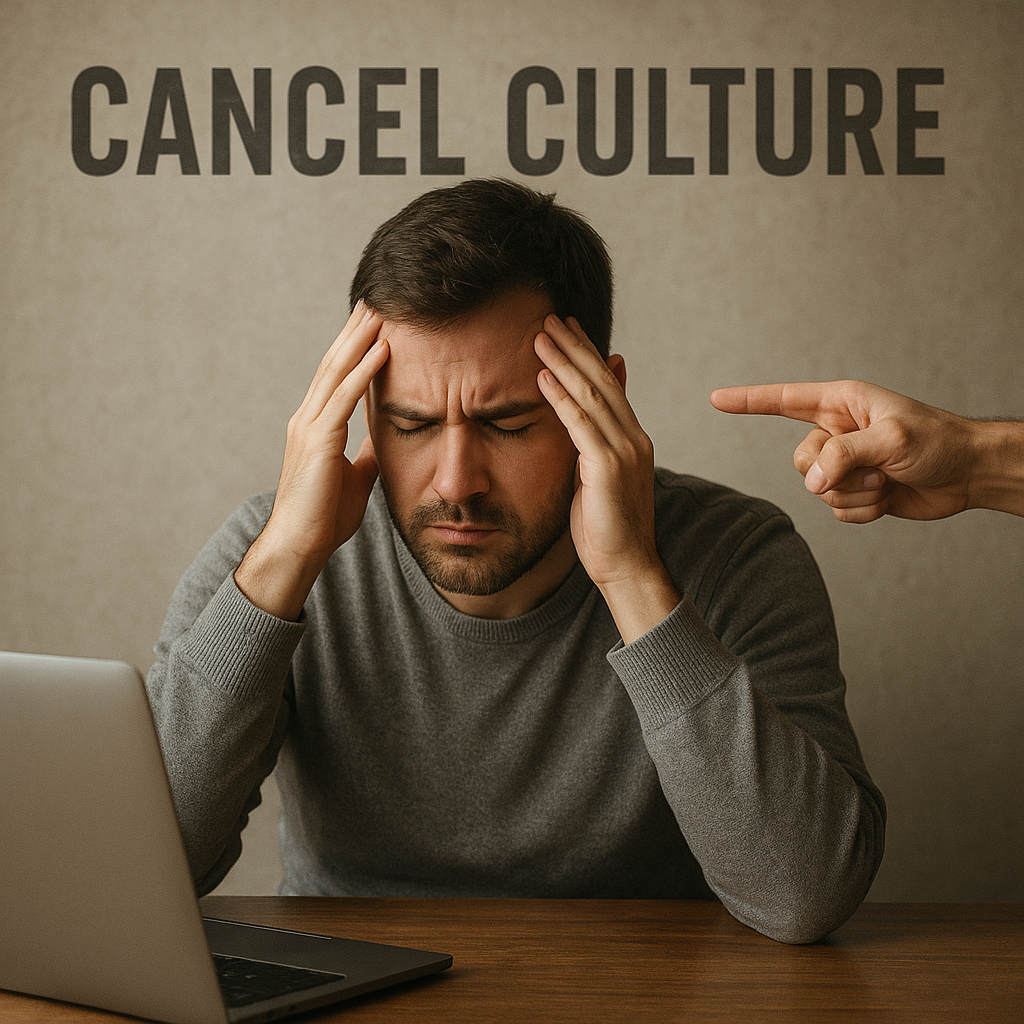
Social media spaces have become battlegrounds where public opinion wields unprecedented influence, and navigating the turbulent waters of cancel culture demands both insight and adaptability. Recognizing the shifting dynamics that drive viral controversies is essential for individuals, brands, and platforms striving to maintain constructive dialogue and preserve digital reputations.
Understanding Cancel Culture Dynamics
Cancel culture emerges when an individual or organization faces widespread backlash—often instant and unrelenting—over real or perceived missteps. The process typically unfolds in rapid stages:
- Call-out: A statement or action is highlighted, drawing attention to potential wrongdoing.
- Amplification: Social networks and influencers spread the narrative, fueling collective outrage.
- Consequences: Loss of followers, sponsorships, or professional opportunities can follow swiftly.
- Aftermath: The subject may respond with an apology, defense, or withdrawal from public view.
The speed at which these stages occur underscores the power of algorithms prioritizing sensational content. While cancel culture can hold wrongdoers to account, it also risks oversimplifying complex issues and overlooking context. Embracing a balanced approach requires understanding the interplay between social justice motivations and mob-like tendencies that thrive on virality.
Strategies for Individuals Facing Backlash
When confronted with intense scrutiny, employing a measured response strategy can mitigate long-term damage and even transform a crisis into an opportunity for growth. Key tactics include:
- Transparency: A sincere acknowledgment of mistakes fosters trust. Provide clear, factual context behind the incident.
- Empathy: Recognize the emotions of those affected. Express genuine remorse where appropriate, demonstrating personal investment in healing.
- Consultation: Engage with trusted advisors—legal, PR, or mental health professionals—to craft a nuanced response.
- Timing: Respond promptly but avoid knee-jerk reactions. Pause to gather information and reflect on potential consequences.
Beyond reactive measures, proactive reputation management is crucial. Regularly audit your digital footprint, address minor issues before they escalate, and cultivate an authentic online persona that can withstand episodic controversies.
Platforms and Policy Responses
Social media giants and content platforms play a pivotal role in shaping the trajectory of cancel culture events. Their algorithms, community guidelines, and ad policies can either exacerbate or dampen the intensity of public shaming:
- Algorithmic Amplification: Platforms that prioritize engagement may inadvertently reward polarizing content. Encouraging dialogue over sensationalism can foster healthier interactions.
- Content Moderation: Clearer guidelines on hate speech, misinformation, and harassment help delineate acceptable discourse. Consistent enforcement reduces perceptions of bias.
- Appeal Mechanisms: Empowering users to challenge takedowns or demonetization builds trust in the platform’s fairness.
- Educational Initiatives: Investing in digital literacy programs equips users to discern context, spot manipulation, and resist herd mentalities.
By collaborating with civil society, academic institutions, and independent auditors, platforms can strike a balance between protecting free expression and safeguarding individuals from unwarranted digital persecution.
Building a Resilient Online Community
Ultimately, the solution to the pitfalls of cancel culture lies in fostering a supportive online ecosystem that prizes constructive feedback over punitive condemnation. Steps to nurture such a community include:
- Encouraging nuance: Complex issues deserve thoughtful debate rather than reductive soundbites.
- Promoting forgiveness: Establish norms where genuine apologies and corrective actions lead to social restoration.
- Facilitating Peer Support: Networks of mentors and allies can offer guidance during crises, reducing loneliness and fear.
- Rewarding Positive Contributions: Spotlight creators who uplift, educate, and bridge divides, thus recalibrating incentive structures.
When participants internalize principles of mutual respect, accountability, and open-mindedness, the online sphere blossoms into a dynamic forum for innovation rather than a minefield of potential humiliation. Building resilience against flashpoint controversies empowers both individuals and platforms to weather storms of outrage with dignity and grace.
Charting a Path Forward
The phenomenon of cancel culture reflects deeper societal shifts in power dynamics, communication speed, and communal ethics. By combining thoughtful personal conduct with robust institutional frameworks, stakeholders can transform moments of crisis into catalysts for positive change. Embracing resilience and continuous learning ensures that social media remains a fertile ground for authentic connection rather than a relentless tribunal.