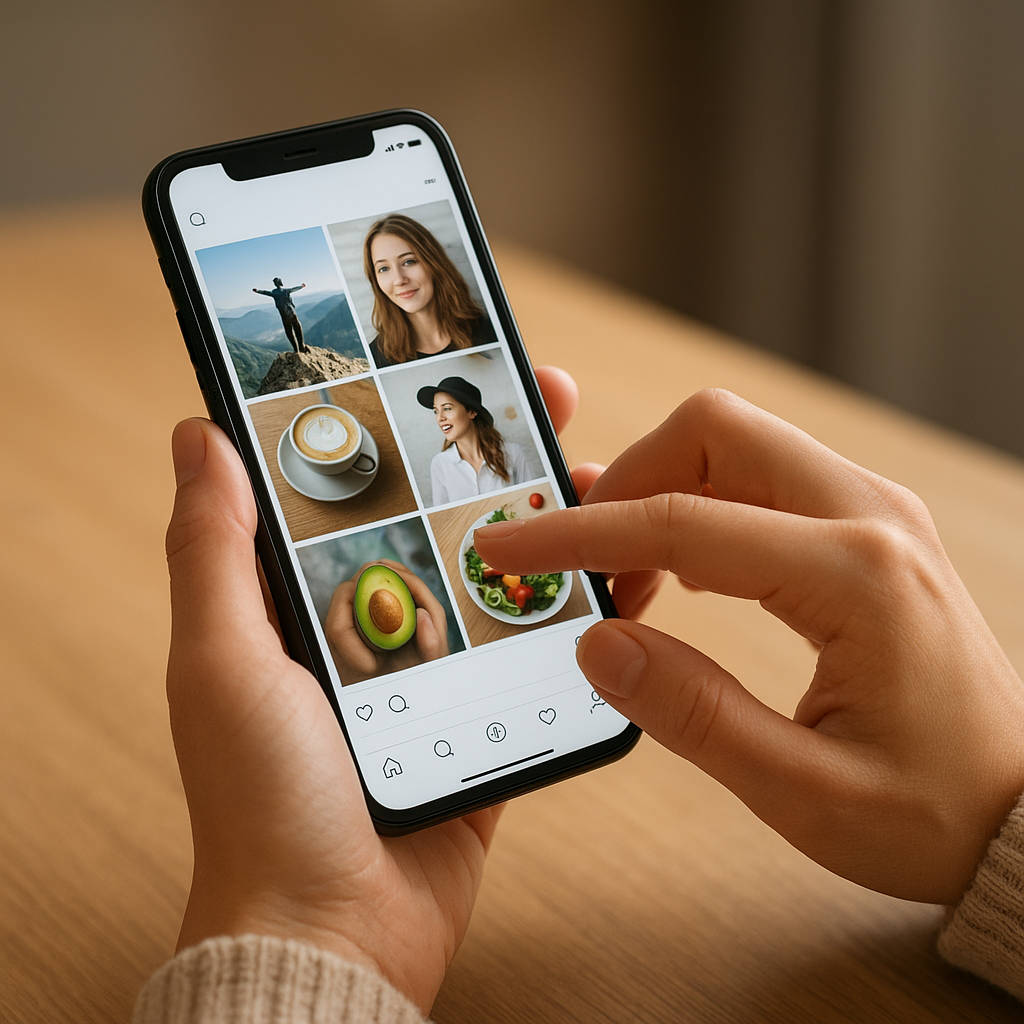
The digital landscape is shifting towards immediacy and impact, compelling brands to adapt their **content** strategies. Micro-content, defined by its concise format and high **shareability**, has emerged as a powerful tool for capturing fleeting audience attention. From snackable videos on TikTok to bite-sized infographics on Instagram Stories, companies are discovering that less can indeed be more when it comes to driving **engagement** and building meaningful connections with consumers.
The Rise of Micro-Content
As social platforms evolve, so do user behaviors and expectations. Audiences now scroll at lightning speed, often skimming feeds without pausing for long-form articles. In response, brands have embraced micro-content—short, visually appealing snippets designed to deliver a clear message in seconds.
Changing Attention Spans
Modern internet users have an average attention span measured in seconds rather than minutes. This trend has been accelerated by mobile browsing, where users juggle multiple apps and notifications. In this environment, traditional advertising formats struggle to hold focus.
Platform-Driven Innovation
- Instagram Reels and Stories: 15–30 second videos with interactive stickers and links.
- TikTok Challenges: Looped clips that leverage trending music and hashtags.
- Twitter Fleets (now discontinued but influential): Ephemeral posts that encourage real-time reactions.
- YouTube Shorts: Vertical videos under 60 seconds optimized for mobile viewing.
Each of these formats prioritizes **brevity** and immediacy, pushing brands to distill their value propositions into digestible, memorable bites.
Key Advantages for Brands
Brands are pivoting to micro-content for a variety of compelling reasons. From cost-effectiveness to heightened **authenticity**, this approach offers significant benefits across the marketing funnel.
Boosting Engagement and Reach
- Shareability: Short clips and images are more likely to be shared, amplifying reach organically.
- Virality Potential: Quick, entertaining content can spark viral trends faster than long-form pieces.
- Algorithmic Favor: Platforms often reward high-engagement micro-posts by placing them in explore pages and feeds.
Cost Efficiency and Speed
Producing a 10-second animated GIF or a 15-second video often requires fewer resources than a full-length commercial. Brands can iterate rapidly, testing multiple versions of micro-content in real time and optimizing based on immediate feedback. This agile approach aligns with lean marketing principles, reducing production cycles and allowing teams to respond swiftly to breaking trends.
Enhanced Audience Connection
Micro-content thrives on **authenticity**. When done right, these snippets feel less like polished ads and more like genuine interactions. Consumers appreciate candid, behind-the-scenes peeks, quick tutorials, and relatable humor. This transparency fosters trust, encouraging audiences to view the brand as a peer rather than a distant entity.
Strategies for Effective Micro-Content
While micro-content may seem straightforward, crafting high-impact snippets demands strategic planning and an understanding of platform nuances. Below are key tactics that successful brands employ.
Leverage Storytelling Techniques
- Hook Immediately: Start with an attention-grabbing moment or question.
- Focus on One Idea: Avoid clutter—center on a single, clear message.
- End with a CTA: Encourage sharing, commenting, or visiting a landing page.
By applying micro-story arcs—beginning, tension, resolution—brands can evoke emotional responses even within 10 seconds.
Optimize for Each Platform
No two social channels are identical. Brands should tailor content to match the platform’s unique culture:
- TikTok: Embrace trends, use native sounds, incorporate on-screen text.
- Instagram Stories: Utilize polls, quizzes, and “Swipe Up” links for deeper engagement.
- LinkedIn Stories: Share quick industry insights or day-in-the-life snapshots to maintain professionalism.
- Twitter: Keep copy concise, pair with eye-catching graphics, and leverage timely hashtags.
Maintain Consistency and Frequency
Regular posting solidifies a brand’s presence in users’ feeds. However, quality should never be sacrificed for quantity. Create a content calendar that balances evergreen snippets with reactive posts tied to current events.
Employ Micro-Targeting Tactics
Advanced ad platforms allow brands to serve micro-content to hyper-specific audiences based on demographics, interests, and behaviors. This **micro-targeting** ensures that each snippet resonates with its intended viewer, boosting conversion rates and reducing ad spend waste.
Measuring Impact and Future Trends
Understanding the performance of micro-content is crucial for refining strategies and demonstrating ROI. Brands must track key metrics and stay ahead of emerging trends to remain competitive.
Essential Metrics to Monitor
- View Completion Rate: Percentage of viewers who watch the snippet to the end.
- Engagement Rate: Likes, comments, shares, and saves per impression.
- Click-Through Rate (CTR): The ratio of users who click embedded links or CTAs.
- Conversion Rate: Actions taken post-view—newsletter sign-ups, product purchases, or downloads.
- Audience Retention: Tracking repeat views and follower growth attributable to specific posts.
Emerging Innovations in Micro-Content
As social networks experiment with new features, brands must be ready to test and learn:
- Interactive AR Filters: Custom lenses that invite user participation and user-generated micro-content.
- Shoppable Videos: Seamless integration of product tags directly within short clips.
- AI-Powered Personalization: Dynamically adjusting text, visuals, or music based on viewer data.
- Voice-Activated Snippets: Integrating smart assistants for hands-free engagement with branded micro-stories.
By embracing these **innovations**, companies can stay ahead of the curve and meet audiences in fresh, immersive ways.