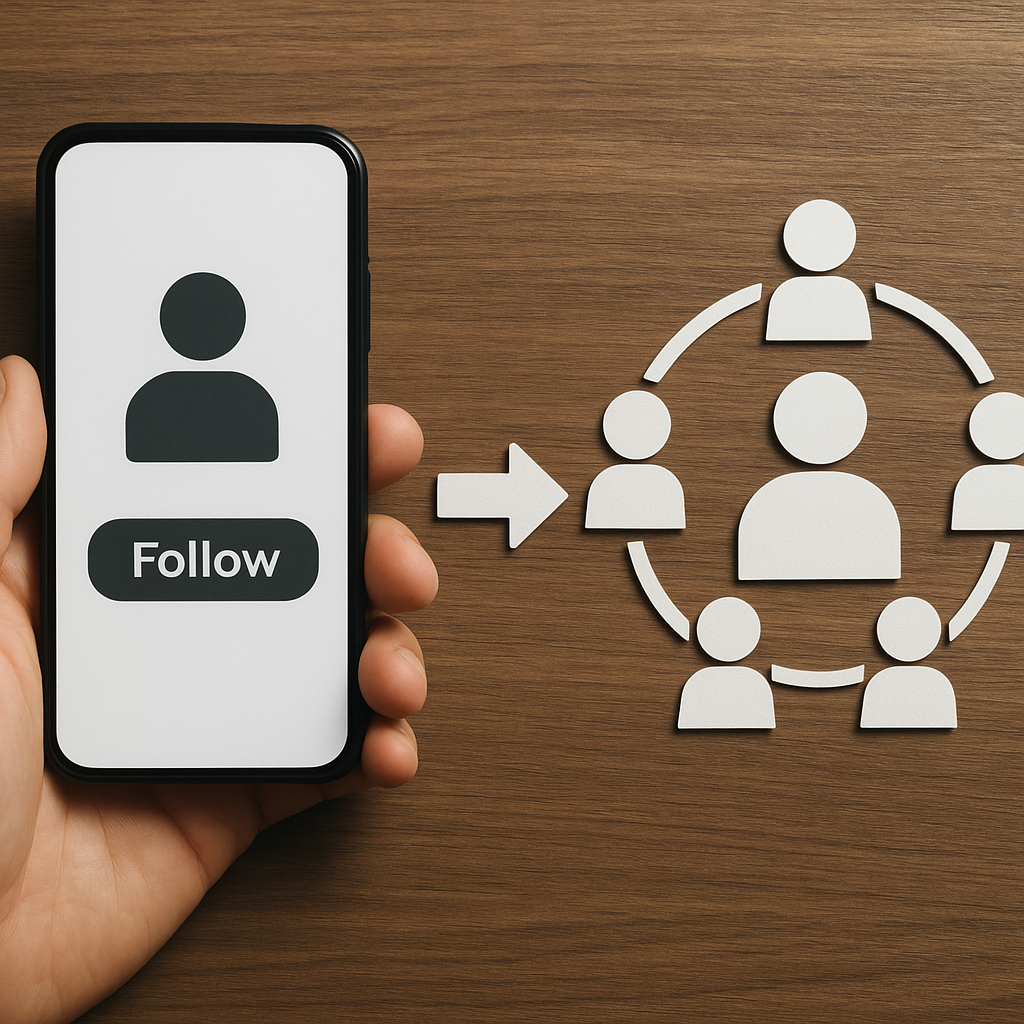
The digital landscape is experiencing a profound transformation as brands and influencers move beyond chasing mere follower counts. Today’s focus centers on fostering genuine engagement and building spaces where participants feel valued, contributing to authentic relationships rather than passive consumption. This shift reflects evolving expectations from audiences who crave authenticity, shared values, and a sense of belonging.
From Metrics to Meaningful Connections
The Limitations of Traditional Follower Counts
For years, marketing strategies revolved around vanity metrics—big numbers that looked good in slideshows but delivered questionable ROI. Brands measured success by the sheer size of their audience, yet often encountered low click‐through rates, fleeting attention spans, and a lack of real advocacy. As algorithms continued to favor sensational content, many accounts amassed followers without ever fostering true interaction.
Embracing Engagement as the New Currency
Marketers have begun to realize that audiences crave two‐way conversations. Comments, shares, and user‐generated content now rank higher in importance than sheer view counts. By encouraging dialogue and rewarding contributions, organizations can unlock the potent force of community members acting as authentic brand ambassadors—fueling word‐of‐mouth marketing in a digital age dominated by fleeting trends.
Strategies for Cultivating Communities
Identifying Your Niche and Value Proposition
Successful online communities start with clarity around purpose and audience. A definable niche helps brands tailor content, resources, and events to the specific interests of their members. Whether it’s a fitness app that hosts weekly challenges or a coding forum that offers live debugging sessions, a strong value proposition sets the stage for sustained engagement.
Creating Interactive Content Formats
- Live Q&A sessions that offer real‐time feedback and foster collaboration.
- Polls and surveys to gauge sentiment and involve members in product decisions.
- Member‐led workshops and webinars that empower users to share expertise.
- Gamification elements—points, badges, and leaderboards—that incentivize consistent participation.
Leveraging Social Platforms and Dedicated Spaces
While mainstream social media channels remain valuable for outreach, many forward‐looking organizations invest in dedicated community platforms or private groups. These controlled environments reduce noise, enhance privacy, and allow for deeper discussions. Integrations with chat tools, forums, and content libraries ensure that members can collaborate seamlessly across multiple touchpoints.
Challenges and Solutions in Community Building
Moderation and Maintaining Authenticity
Scale often introduces friction. As communities grow, they risk attracting spam, negativity, and off‐topic chatter. Clear guidelines, a transparent moderation policy, and active community managers are essential to preserve a welcoming atmosphere. By celebrating top contributors and giving them “insider” roles—moderator badges or early access to products—brands reinforce positive behavior and guard against dilution of their core values.
Balancing Open Dialogue with Brand Safety
Encouraging honest feedback can expose weaknesses or prompt criticism. Yet such candid conversations build trust when addressed openly. Implementing structured feedback loops—such as monthly town halls or suggestion boxes—helps teams collect insights without letting negativity spiral. A culture of response and continuous improvement fortifies member belief in the community’s purpose.
Navigating Algorithmic Shifts
Social platforms frequently adjust their recommendation engines, affecting content visibility. Communities that rely solely on external platforms risk sudden drops in reach. To counteract this dependence, many brands develop omnichannel strategies—newsletters, direct messaging, and proprietary apps—to maintain contact with members regardless of algorithmic whims. This multi‐pronged approach enhances resilience and long‐term loyalty.
Looking Forward: The Future of Digital Gatherings
Hybrid Experiences and the Rise of Virtual Events
The pandemic accelerated adoption of online events, from virtual conferences to community meetups. While in‐person gatherings remain important, hybrid models combine the best of both worlds. Exclusive online pre‐events and post‐event recaps extend the lifecycle of physical conferences, offering sustained touchpoints and deeper networking opportunities across time zones.
Empowerment Through Peer‐to‐Peer Learning
Communities thrive when members both teach and learn. Platforms are increasingly integrating mentorship programs, peer review systems, and collaborative projects to harness the collective intelligence of the group. This sense of shared ownership fosters empowerment and ensures that expertise flows bidirectionally, strengthening bonds and improving overall community health.
Data‐Driven Personalization
Advanced analytics enable community managers to tailor experiences to individual preferences. By tracking engagement patterns, content affinities, and participation frequency, teams can recommend relevant discussion threads, curate personalized newsletters, and deliver targeted learning modules. Such personalization not only boosts satisfaction but also drives deeper emotional resonance with the brand.
Conclusion
Embracing the shift from passive audiences to active communities demands a strategic focus on authentic relationships, purposeful experiences, and sustainable engagement models. As the digital ecosystem continues to evolve, brands that prioritize meaningful connections over inflating numbers will stand out—driving innovation, enhancing customer retention, and forging lasting bonds in an increasingly crowded social landscape.