As brands and creators navigate the evolving landscape of digital promotion, the integration of artificial intelligence into influencer strategies has become a pivotal force. From precise audience targeting to automated negotiations, AI-powered tools are reshaping how marketing deals are crafted, executed, and measured. This article explores key dimensions where intelligent systems intersect with influencer partnerships, revolutionizing processes, boosting efficiency, and raising new considerations around ethics and authenticity.
Influencer Identification and Personalization
At the heart of any influencer marketing campaign lies the task of selecting the right partner whose audience aligns with brand goals. Traditional methods—manual research, spreadsheets, gut-feel assessments—are being supplanted by platforms that leverage machine learning and predictive analytics. These systems process vast datasets, evaluating metrics like follower demographics, content performance history, posting frequency, and sentiment scores to determine ideal matches.
By applying clustering techniques and natural language processing, AI solutions can detect micro-influencers whose niche communities deliver higher engagement rate per post. They uncover hidden affinities between brand values and creator personas, enabling hyper-personalization of campaign messaging. As a result, marketers can align budgets with influencers projected to drive genuine interest rather than inflate vanity metrics.
Moreover, sentiment analysis helps identify potential brand risks by flagging creators with controversial language or behavior. These early warnings enhance due diligence and ensure partnerships uphold a standard of transparency. Advanced platforms continuously update recommendations, allowing brands to discover emerging influencers before competitors, gaining a first-mover advantage in niche communities. In this way, AI transforms influencer selection into a dynamic, data-driven process rather than a static, intuition-based exercise.
Negotiation, Pricing, and Contract Automation
Once the right influencer pool is identified, the next challenge involves negotiating fair compensation and structuring deals. Enter AI-driven pricing engines that calculate rate cards based on real-time auction models. By analyzing similar past agreements, content formats, and engagement benchmarks, these tools suggest optimal fee structures that reflect market demand.
Smart contracts—self-executing agreements coded on blockchain—can automate payment releases upon fulfillment of predefined deliverables, such as post publishing, view thresholds, or link clicks. This automation reduces administrative overhead and minimizes disputes over deliverables. Transaction records are immutable and auditable, fostering trust between brands and creators.
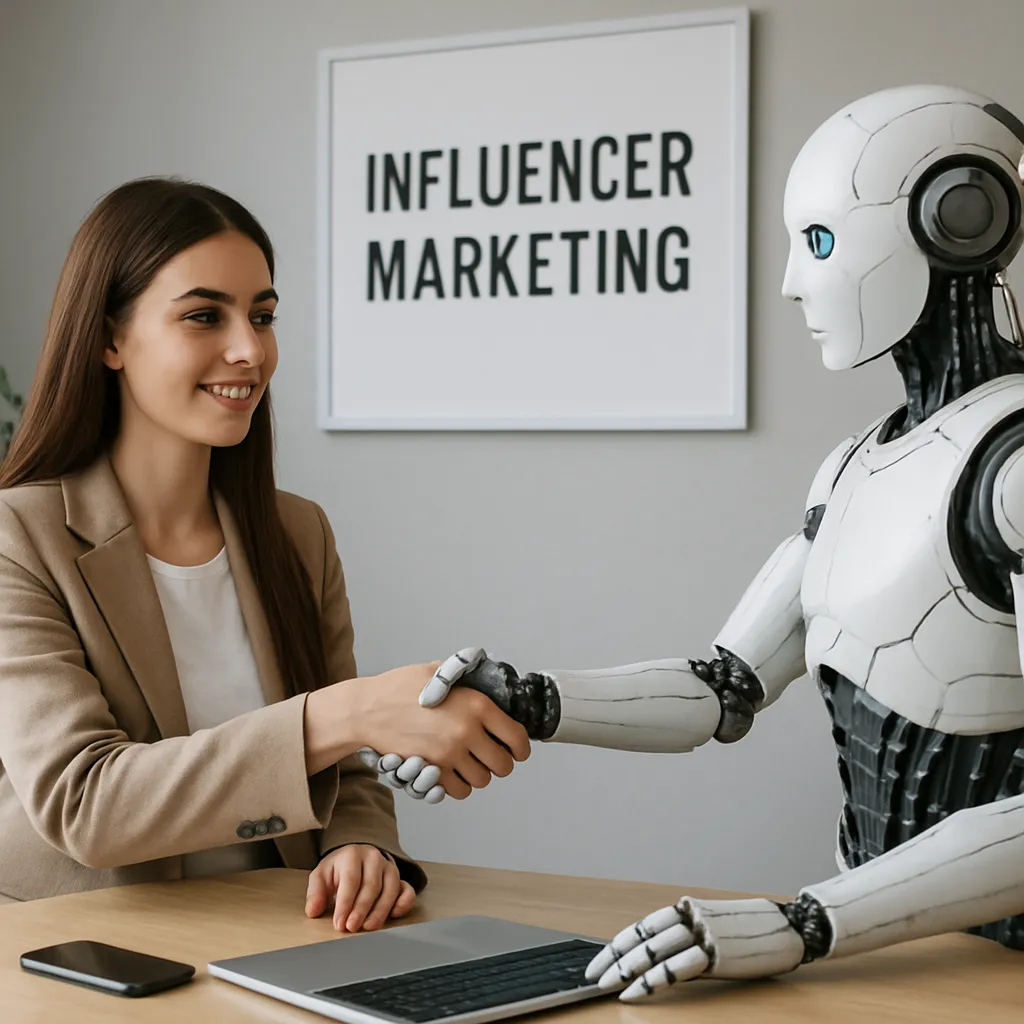
Machine learning algorithms can also simulate various deal scenarios, testing budget allocations across multiple influencers to forecast campaign ROI. Negotiation chatbots equipped with natural language understanding assist brand managers in drafting proposals, generating contract clauses, and even scheduling revisions. By accelerating turnaround times, brands can capitalize on trending topics and seasonal opportunities with agility. Overall, AI integrations streamline the entire contracting workflow, from proposal drafting to compliance verification.
Content Creation, Curation, and Authenticity Challenges
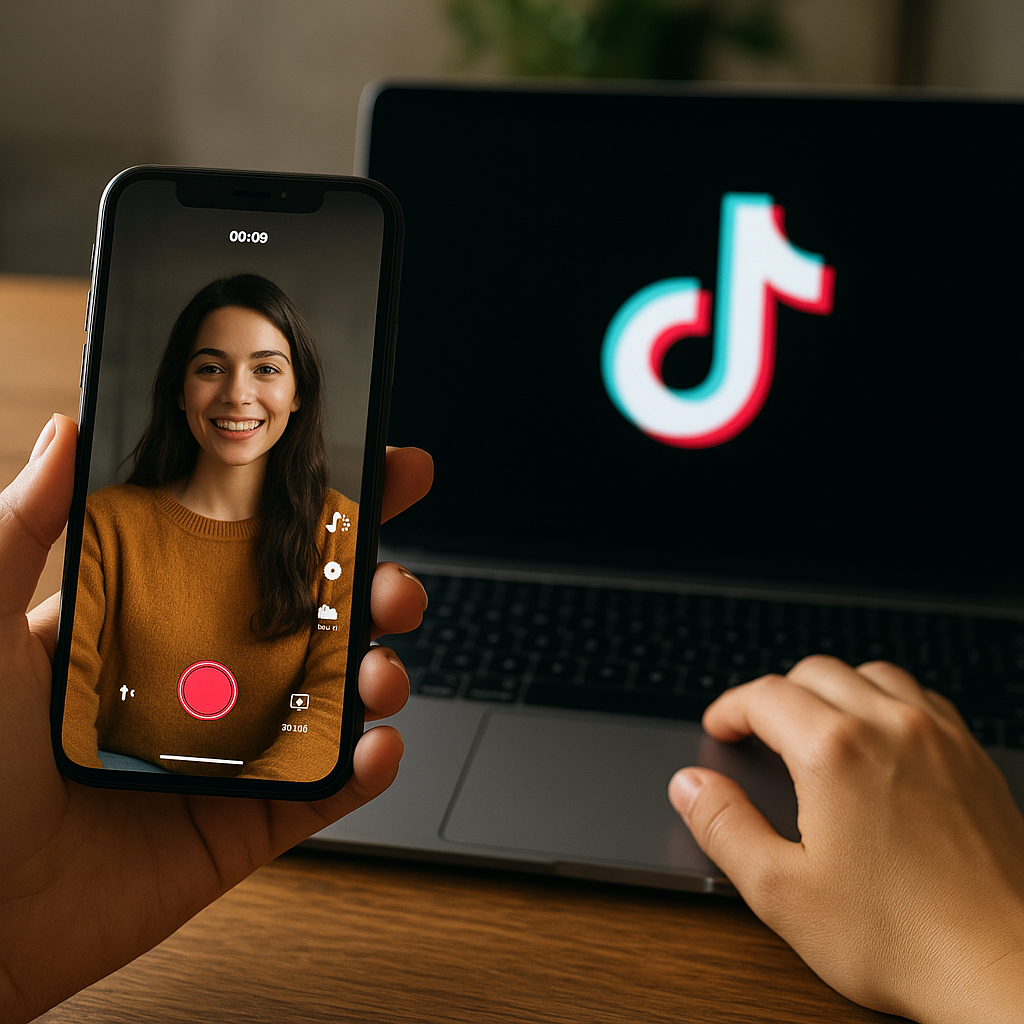
AI’s influence extends beyond back-end processes into the realm of creative output. Generative tools powered by deep neural networks can craft video scripts, suggest on-trend hashtags, or even produce synthetic images. While these capabilities enable influencers to scale content production, they raise critical questions around authenticity and ethical use.
Deepfake technologies, for instance, can superimpose a celebrity’s likeness onto promotional videos, potentially deceiving audiences if not disclosed. Brands are incorporating AI-based watermarks and detection algorithms to differentiate genuine content from manipulated media. These safeguards are essential to maintain audience trust and comply with advertising regulations that mandate clear labeling of sponsored posts and AI-generated material.
On the positive side, AI-assisted editing tools help creators optimize visual aesthetics, correct color grading, and enhance audio quality, resulting in more polished deliverables. Collaborative platforms enable real-time feedback loops where AI suggests adjustments to improve viewer retention based on heatmap analyses of video engagement. Nevertheless, maintaining a human touch remains crucial. Audiences prize personal narratives and spontaneous moments, so creators must strike a balance between AI-augmented production and organic connection.
Performance Analysis and Fraud Detection
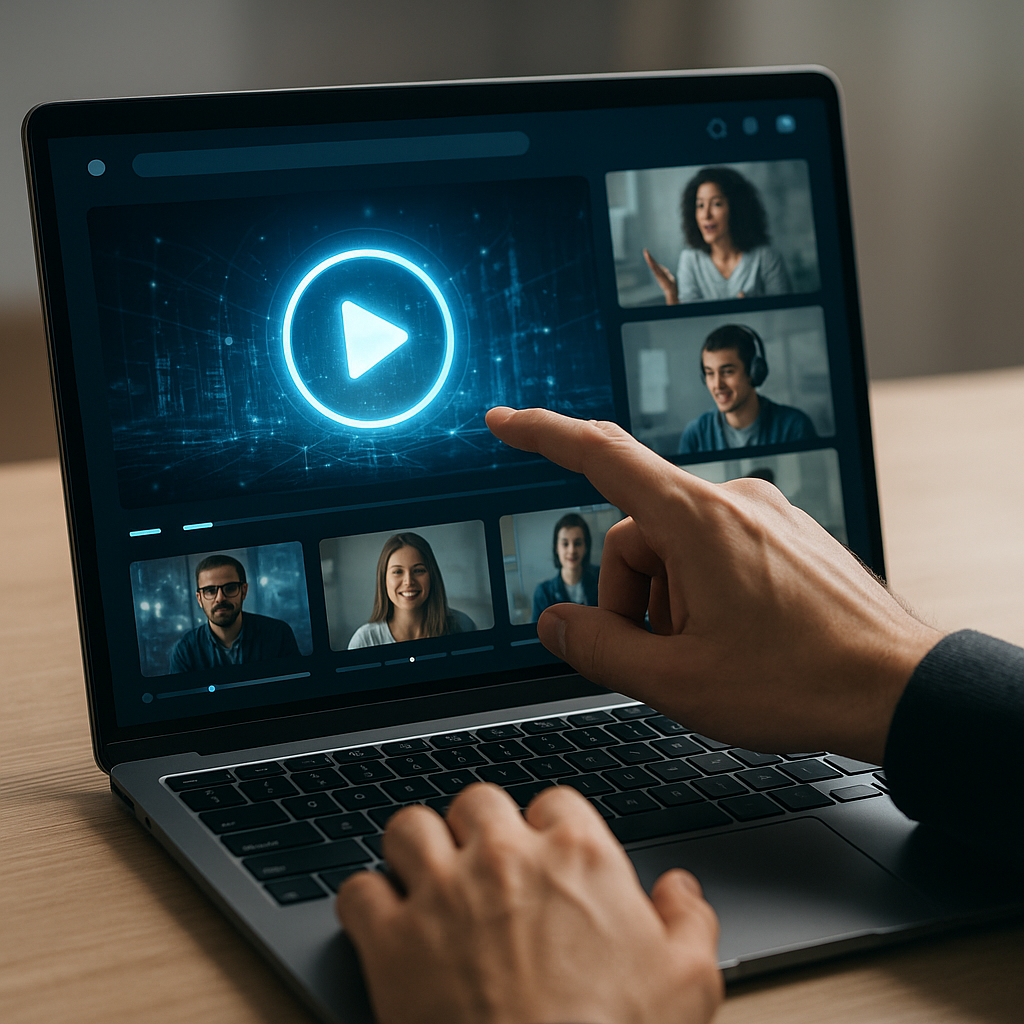
Measuring the success of influencer marketing deals is notoriously complex. AI-powered dashboards aggregate data from multiple social networks, tracking metrics like reach, click-through rates, conversions, and attribution paths. Advanced multi-touch attribution models determine how influencer posts contribute to overall sales funnels, providing nuanced insights into channel synergy.
Equally important is combating fraudulent activities. Bot accounts, purchased followers, and engagement pods can distort campaign performance. Machine learning classifiers trained on behavioral signals—posting frequency anomalies, sudden spikes in likes, and irregular comment patterns—identify suspicious influencers before and during a campaign. Real-time alerts enable brands to pause or terminate agreements with questionable partners, safeguarding budgets and reputations.
Through continuous monitoring, these AI systems adapt to evolving fraud tactics, ensuring that reported metrics accurately reflect genuine audience interactions. By reinforcing integrity in performance reporting, brands gain confidence in scaling influencer budgets, knowing that their decisions rest on solid, verifiable data rather than inflated numbers.