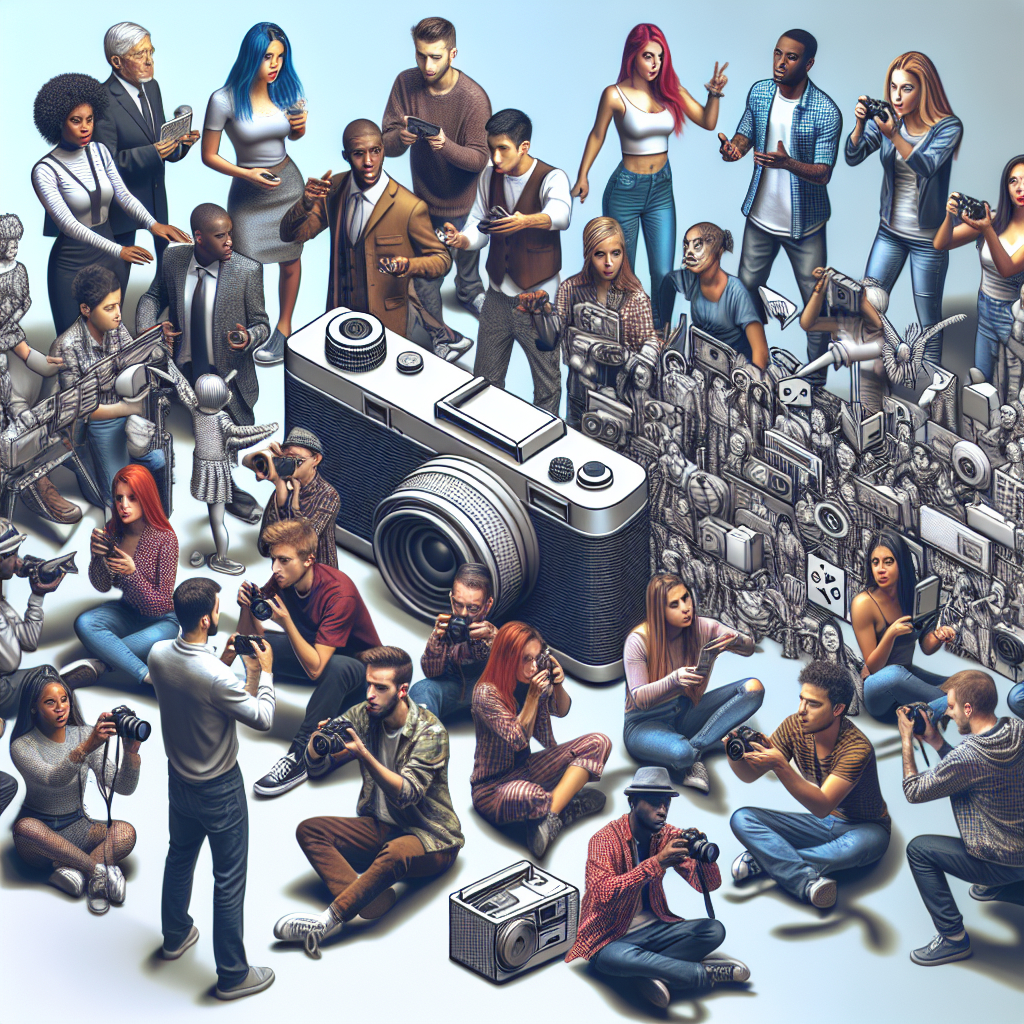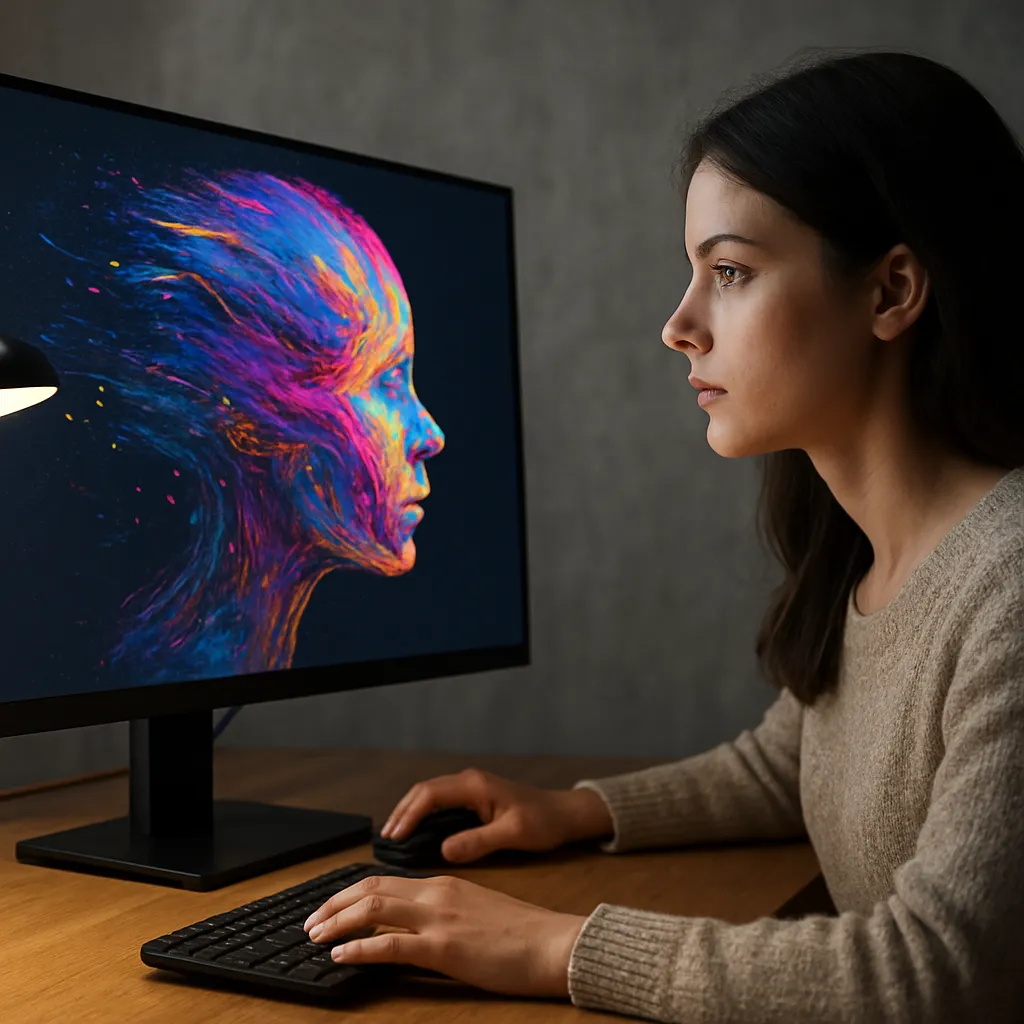
The rapid integration of artificial intelligence into everyday platforms has unleashed a wave of unprecedented creativity across the digital realm. From automatic image generators that transform simple prompts into breathtaking visuals to algorithmic tools that compose music tracks in seconds, AI-driven solutions are reshaping how audiences interact with content and how creators envision their next breakthrough. Beyond mere novelty, these technologies are fostering a new era of innovation, driving evolution in internet culture, social media dynamics, trend forecasting, and audience engagement.
Amplifying Individual Expression
Digital creators are harnessing AI to explore fresh artistic frontiers. Tools powered by neural networks enable anyone—regardless of prior skill—to craft complex illustrations, write compelling narratives, or produce polished video edits. This explosive access has led to:
- Democratization of art: Platforms like DALL·E and Stable Diffusion let social media users generate striking graphics with a few keystrokes.
- Algorithmic writing assistants: Content creators leverage GPT-based models to draft articles, captions, or even entire blogs with improved coherence and style.
- Music composition bots: AI composers analyze millions of songs to suggest chord progressions and melodies, accelerating the songwriting process.
As a result, the boundary between professional studios and bedroom creators has blurred. What once required years of training or expensive software can now be achieved through intuitive AI interfaces. This shift is redefining the very notion of artistic ownership and expertise, fueling vibrant communities that share prompts, techniques, and collaborative projects.
Shaping Internet Culture
Algorithms have long influenced which posts trend and which ones fade, but AI now turbocharges that process by predicting user preferences with uncanny accuracy. Social networks deploy machine learning pipelines to curate feeds, optimize hashtag suggestions, and even craft short-form videos in real time. Key impacts include:
- Hyper-personalization: Platforms tailor content recommendations, ensuring that users spend more time engaged and advertisers achieve better conversion rates.
- Trend forecasting: AI models analyze cross-platform data—tweets, reels, image tags—to identify emerging memes or viral challenges before they peak.
- Automated moderation: Deep learning classifiers detect hate speech, spam, and explicit imagery faster than human teams can, though not without debates about bias and censorship.
These capabilities accelerate feedback loops between creators and audiences. A meme sparked in one corner of the internet can evolve within hours into countless variations across languages and cultures. AI-driven editing apps simplify the remixing process, so a catchphrase or dance move can achieve global recognition in record time. The result is a dynamic ecosystem where cultural ideas mutate more rapidly than ever.
Fostering Collaborative Innovation
AI’s role as a co-creator is reshaping traditional workflows. Rather than replacing human ingenuity, many projects view AI as a brainstorming partner or an assistant that handles repetitive tasks. Notable trends include:
- Prompt engineering communities: Enthusiasts share effective query strategies to unlock optimal outputs from generative models, sparking collective learning.
- Open-source tooling: Projects like Hugging Face allow developers worldwide to fine-tune prebuilt models, contributing new datasets, custom pipelines, and multilingual support.
- Hackathons and accelerators: Organizations host AI-focused events where multidisciplinary teams prototype apps—from personalized fashion recommendations to data-driven journalism platforms.
By combining human domain expertise with machine efficiency, companies can iterate faster and explore adventurous concepts. For example, advertising agencies use AI to produce dozens of ad variants, then deploy A/B tests to learn which narratives resonate most strongly. In journalism, automated summarization tools help reporters sift through massive datasets, enabling investigative projects that would otherwise remain locked behind data complexity.
Navigating Ethical and Cultural Challenges
Despite the excitement, AI’s ascent raises pressing questions about authenticity, intellectual property, and societal impact. As creative outputs proliferate, distinguishing original work from AI-generated imitations becomes tougher. Key concerns include:
- Deepfakes and misinformation: Sophisticated voice and face synthesis can create convincing but fraudulent media, challenging trust in news and personal reputations.
- Bias amplification: Models trained on historical data may perpetuate stereotypes or exclude underrepresented voices, requiring careful oversight and diverse training sets.
- Copyright disputes: Automated systems sometimes incorporate copyrighted material without attribution, sparking legal debates over ownership and fair use.
Addressing these issues demands collaboration between technologists, regulators, and civil society. Transparent model documentation, ethical guidelines, and user-friendly content labels can help audiences make informed judgments about what they consume. Moreover, embedding fairness-aware techniques into model design can mitigate unintended harms and encourage more equitable collaboration.
The Future of AI-Driven Trends
Looking ahead, the convergence of AI and digital communities promises even more radical transformations. Real-time language translation tools will collapse linguistic barriers, enabling global fandoms to co-create multimedia projects seamlessly. Augmented reality filters powered by generative adversarial networks will let individuals experiment with virtual fashion or immersive storytelling. Meanwhile, federated learning approaches will allow personalized model training on-device, preserving user privacy while refining recommendations.
As AI continues to mature, its impact on the creative process will extend beyond mere content generation. Emerging systems will assist in strategy formulation, brand positioning, and audience psychology analysis—infusing campaigns with data-driven insights. The next wave of influencers may be partly human, partly algorithmic, blurring the lines between flesh-and-blood creators and their digital counterparts. Embracing these shifts will require adaptability, critical thinking, and a commitment to ethical innovation. Yet one fact remains clear: artificial intelligence is not just a tool. It is a catalyst for redefining the limits of human expression and creativity on the internet.