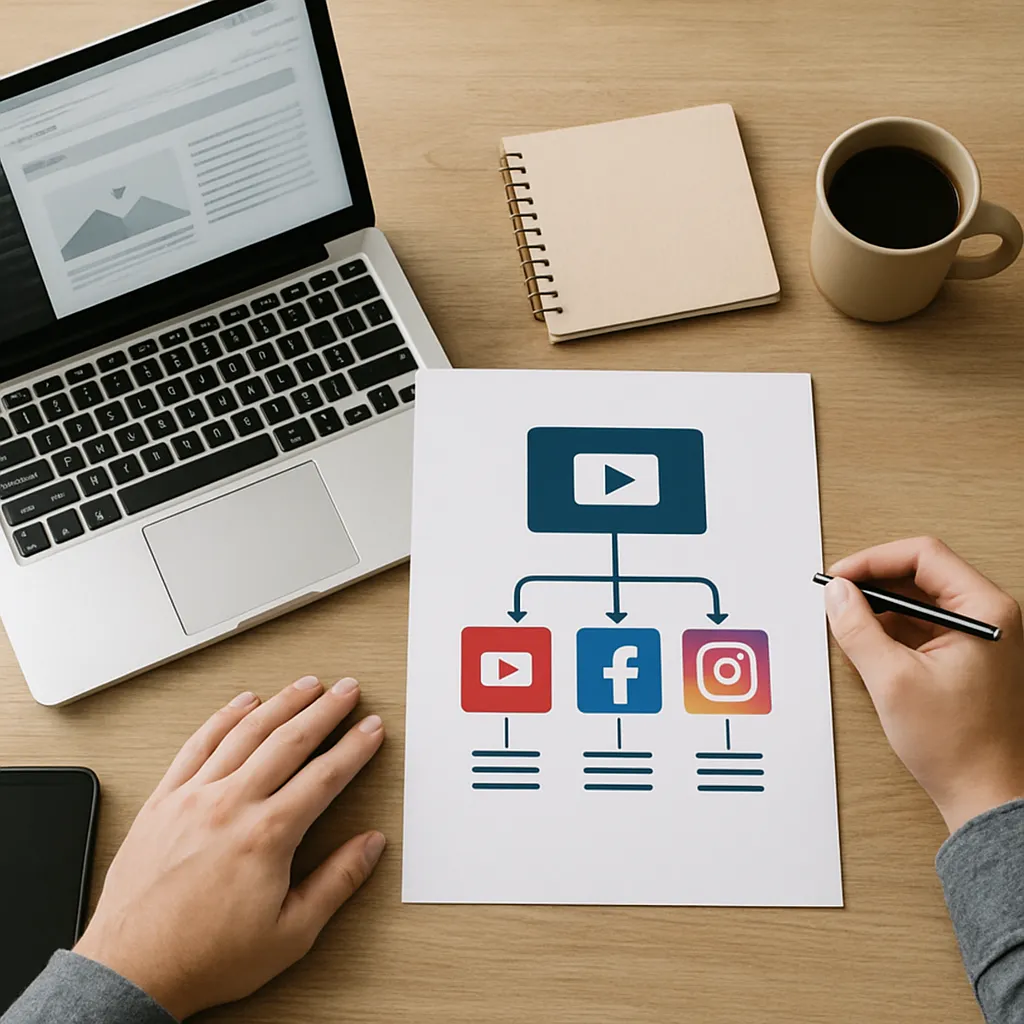
In today’s interconnected digital landscape, brands and creators face the challenge of making their content resonate across a variety of channels. From TikTok to LinkedIn, each platform presents unique expectations and user behaviors. Mastering the art of multi-platform distribution involves understanding the distinctive mechanics of every network, tailoring your message to fit those environments, and continuously refining your approach based on real-time feedback.
Understanding Platform Dynamics
Each social channel comes with its own set of rules, audiences, and best practices. Recognizing these differences is crucial for achieving engagement and boosting visibility. A strategy that works on Instagram might flop on Twitter or YouTube if you don’t account for platform-specific nuances.
Audience Profiles and Behavior Patterns
- Instagram: Visually oriented users respond to high-quality images, short videos, and Stories. The network rewards consistent posting and interactive features such as polls or quizzes.
- LinkedIn: Professionals seek insightful articles, case studies, and data-driven posts. Long-form content with actionable takeaways performs best.
- TikTok: Younger demographics favor short, entertaining clips with trending sounds and rapid pacing. Authenticity and spontaneity often outperform polished productions.
- Facebook: A mixed-age audience enjoys community-driven discussions, live streams, and carousel posts. Algorithm changes emphasize meaningful interactions.
- Twitter (X): Real-time updates, breaking news, and concise commentary thrive. Hashtags and threads can increase reach and foster conversation.
Decoding the Algorithm
Navigating platform algorithms requires a blend of creative and analytical efforts. Whether it’s TikTok’s For You Page ranking factors or Instagram’s feed ranking signals, success depends on stimulating positive user actions:
- Click-through rates and watch time inform visibility on video platforms.
- Comments and shares indicate meaningful interactions, influencing future distribution.
- Saved posts can boost a piece of content in the algorithmic queue.
- Hashtags and keywords help algorithms categorize and recommend content.
By aligning your content with each platform’s preferred engagement metrics, you can maximize organic reach and reduce reliance on paid promotion.
Crafting Tailored Content Strategies
One-size-fits-all approaches rarely succeed when you’re juggling multiple networks. A more effective solution involves optimization of your creative process and messaging for the unique context of each channel.
Developing a Core Message
Begin with a universal theme that reflects your brand’s values and objectives. This core message will be the foundation for all your content iterations:
- Identify your brand’s mission and tone of voice.
- Pinpoint audience pain points and key interests.
- Define the emotional or practical takeaway your content should deliver.
Once you have a coherent central idea, you can repurpose it by adapting style, length, and format to each network.
Format and Timing Variations
- Infographics on LinkedIn to showcase industry data and research.
- Vertical videos for TikTok and Instagram Reels with captioned highlights.
- Carousels on Facebook or Instagram for step-by-step tutorials.
- Threads on Twitter (X) to break down complex ideas into bite-sized points.
- Live sessions on YouTube or Facebook for direct audience interaction.
Timing also plays a pivotal role: posting when your followers are most active increases the likelihood of immediate engagement, which the algorithm will reward.
Leveraging Analytics and Continuous Improvement
Data-driven decision-making lies at the heart of any successful multi-platform strategy. By tracking performance metrics, you can refine your efforts and allocate resources more efficiently.
Key Performance Indicators (KPIs)
- Reach vs. impressions: Measure exposure versus repeat views.
- Engagement rate: Combine likes, comments, shares, and clicks relative to audience size.
- Conversion metrics: Monitor sign-ups, downloads, or purchases directly tied to content.
- Audience growth: Track follower increases over time and identify spikes or drops.
- Retention and watch time: Evaluate how long viewers stay engaged with video content.
Regularly review these KPIs to understand what resonates and what falls flat. This process of analytics-driven iteration helps you fine-tune your messaging, visuals, and posting cadence.
Testing and Experimentation
Don’t be afraid to run A/B tests on headlines, thumbnails, or content length. Small adjustments can yield significant gains in performance. For instance, you might:
- Experiment with different video openers to improve the first 3-second retention.
- Test caption styles—question-based versus statement-driven—to boost comments.
- Alternate between branded and casual tones to see which fosters more genuine engagement.
Through systematic adaptation, you’ll uncover the optimal combinations for each channel, transforming raw data into actionable insights.
Embracing Emerging Trends and Future-Proofing
Staying ahead in the fast-paced world of social media requires agility and willingness to explore new frontiers. Early adopters often reap the most benefits when platforms introduce novel features.
Short-Form and Ephemeral Content
Stories, Fleets, and time-sensitive posts tap into FOMO (fear of missing out) psychology. Since these formats disappear within 24 hours, they encourage immediate reactions and can drive dramatic spikes in engagement. Consider:
- Behind-the-scenes glimpses during product launches.
- Flash sales or limited-time promotions.
- Interactive polls and Q&A sessions.
Immersive Experiences: AR and VR
Augmented reality filters on Instagram and Snapchat invite users to interact playfully with branded assets. Virtual reality and 360° videos on platforms like YouTube offer immersive storytelling opportunities. Integrating AR lenses or 3D effects can differentiate your content and foster memorable brand experiences.
Social Commerce and Shoppable Posts
With more users shopping directly within social apps, integrating shoppable tags and storefronts becomes a powerful revenue driver. Features like Instagram Checkout or Facebook Shops streamline the path from discovery to purchase, turning content into a seamless conversion funnel.
Maintaining Consistency and Brand Cohesion
Consistency solidifies your brand’s identity and helps followers recognize your voice across channels. Implementing a centralized content calendar ensures that themes, color palettes, and messaging guidelines are respected, while still allowing room for platform-specific creativity.
- Establish brand guidelines that cover visuals, tone, and posting frequency.
- Use scheduling tools to maintain a steady flow of content without overwhelming your team.
- Foster cross-functional collaboration between design, marketing, and analytics teams.
By combining strategic planning with tactical flexibility, you can build a strong, unified presence that adapts seamlessly to the ever-changing social media landscape.
Conclusion
Mastering multi-platform content distribution means balancing creativity and data, while respecting the unique DNA of each channel. Through a clear core message, tailored formats, rigorous analytics, and an eye on emerging trends, you’ll achieve higher visibility and deeper connections with your audience. Start optimizing today, and watch your brand thrive across the digital ecosystem.