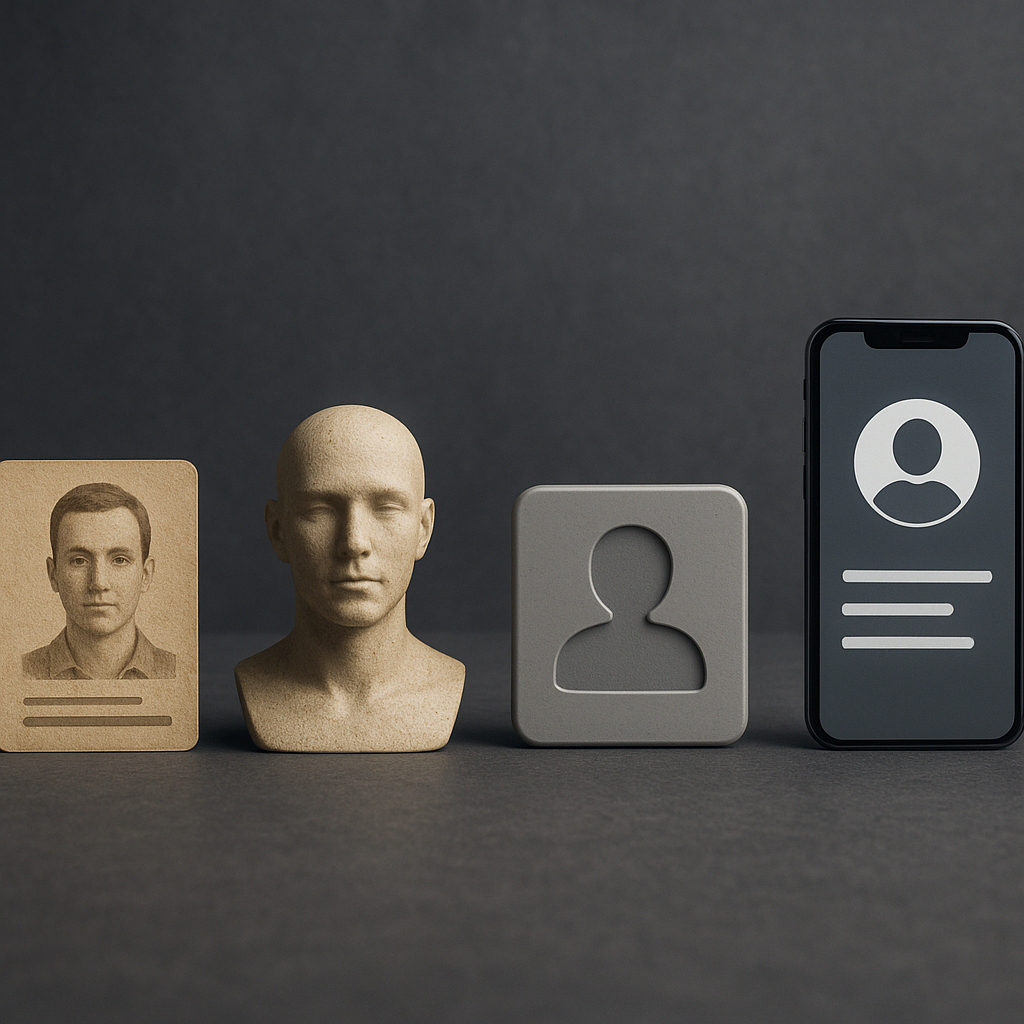
The landscape of online interaction has undergone a profound transformation as individuals navigate a complex web of profiles, platforms, and protocols. From the early days of static web pages to today’s dynamic ecosystems, the notion of digital identity has become central to how people present themselves, connect with communities, and exchange sensitive information. This article explores the multifaceted evolution of the digital identity, examining its foundational principles, the role of social media, emerging technologies, and the challenges that will shape its future.
Foundations of Digital Identity
Definition and Core Principles
At its essence, a digital identity represents a set of attributes or credentials that uniquely distinguish an individual or entity online. Unlike traditional identification, which relies on physical tokens such as passports or ID cards, digital identity depends on virtual markers: usernames, passwords, email addresses, tokens, certificates, and more recently, biometric data. The reliability of a digital identity hinges on three core principles:
- Authentication: Verifying the user’s claimed identity, often through passwords, two-factor methods, or cryptographic keys.
- Integrity: Ensuring the data associated with the identity remains untampered and accurate throughout its lifecycle.
- Privacy: Controlling who can access personal attributes and transaction history, preserving user autonomy and data protection.
Historical Context
During the early internet era, identity was limited to static usernames on bulletin boards and basic email addresses. The emergence of Web 2.0 catalyzed user-generated content, giving rise to sophisticated platforms that encouraged richer profiles. As social networking services proliferated, people began sharing photos, interests, location check-ins, and social graphs, layering multiple facets onto a single identity. Over time, this amalgamation of data points created a persistent online persona that followed users across websites and applications, shaping personalized experiences and targeted communications.
Social Media’s Role in Identity Formation
Self-Presentation and Networks
Social media platforms are central arenas for crafting and curating identity. Each post, comment, and connection contributes to a narrative that others perceive. Users engage in selective self-presentation, strategically highlighting achievements, opinions, and lifestyle choices to shape their reputation and social capital. The networks built around these profiles reinforce community norms, influencing how individuals choose to portray themselves.
- Profile customization through avatars, cover images, and bios
- Hashtag communities that signal affiliation and shared interests
- Endorsements and recommendations acting as social proof
Algorithmic Influence
Underpinning these user experiences are complex recommendation algorithms that curate content feeds, suggest connections, and even moderate interactions. These algorithms learn from behavioral patterns—likes, shares, dwell time—to refine user profiles and boost engagement. While personalization can enhance relevance, it also risks creating echo chambers, amplifying certain traits of an individual’s identity while suppressing others.
Emerging Trends and Technological Responses
Decentralized Approaches
Centralized identity providers have long dominated, from social login services to government-backed digital ID programs. However, decentralized models seek to shift control back to individuals. Leveraging blockchain and distributed ledger technologies, decentralized identifiers (DIDs) enable users to hold verifiable credentials in digital wallets without relying on a single authority. Key benefits include:
- Self-sovereignty: Users decide when and to whom their identity attributes are revealed.
- Interoperability: Standardized protocols ensure credentials can be recognized across platforms.
- Resilience: Distributed validation reduces single points of failure and enhances security.
Biometric Solutions
The adoption of biometrics—fingerprint scans, facial recognition, and voice prints—has introduced an additional layer of security and convenience. By linking physical traits with digital systems, organizations can streamline authentication processes while reducing reliance on passwords. Nevertheless, biometric data raises significant privacy concerns, as compromised templates cannot be “reset” like a forgotten password. Balancing user experience with robust safeguards remains a pressing challenge.
Challenges and Future Directions
Privacy and Regulatory Landscape
Global data protection frameworks such as GDPR and CCPA have heightened accountability for how organizations collect, process, and monetize personal information. Compliance demands transparency, user consent, and the right to data portability. As surveillance technologies grow more sophisticated—tracking location, browsing habits, and social interactions—regulatory bodies are under pressure to define clear boundaries. The evolving legal environment will shape the viability of identity solutions and influence corporate practices.
Building Trust in Digital Ecosystems
Trust remains the currency of the digital age. Whether a user opts for a centralized social login or a decentralized credential, confidence in the system’s security, fairness, and reliability is paramount. Key factors in establishing trust include:
- Robust encryption standards that protect data at rest and in transit
- Transparent governance models outlining how identity systems are managed
- Interoperable standards to ensure seamless cross-platform verification
- Ongoing audits and compliance checks that reinforce accountability
In response to mounting challenges, industry consortia and open-source communities are collaborating to define best practices and technical specifications. These joint efforts aim to foster an environment where users maintain control over their identity, organizations adhere to ethical guidelines, and technologies such as decentralization and authentication converge to deliver secure, seamless experiences.