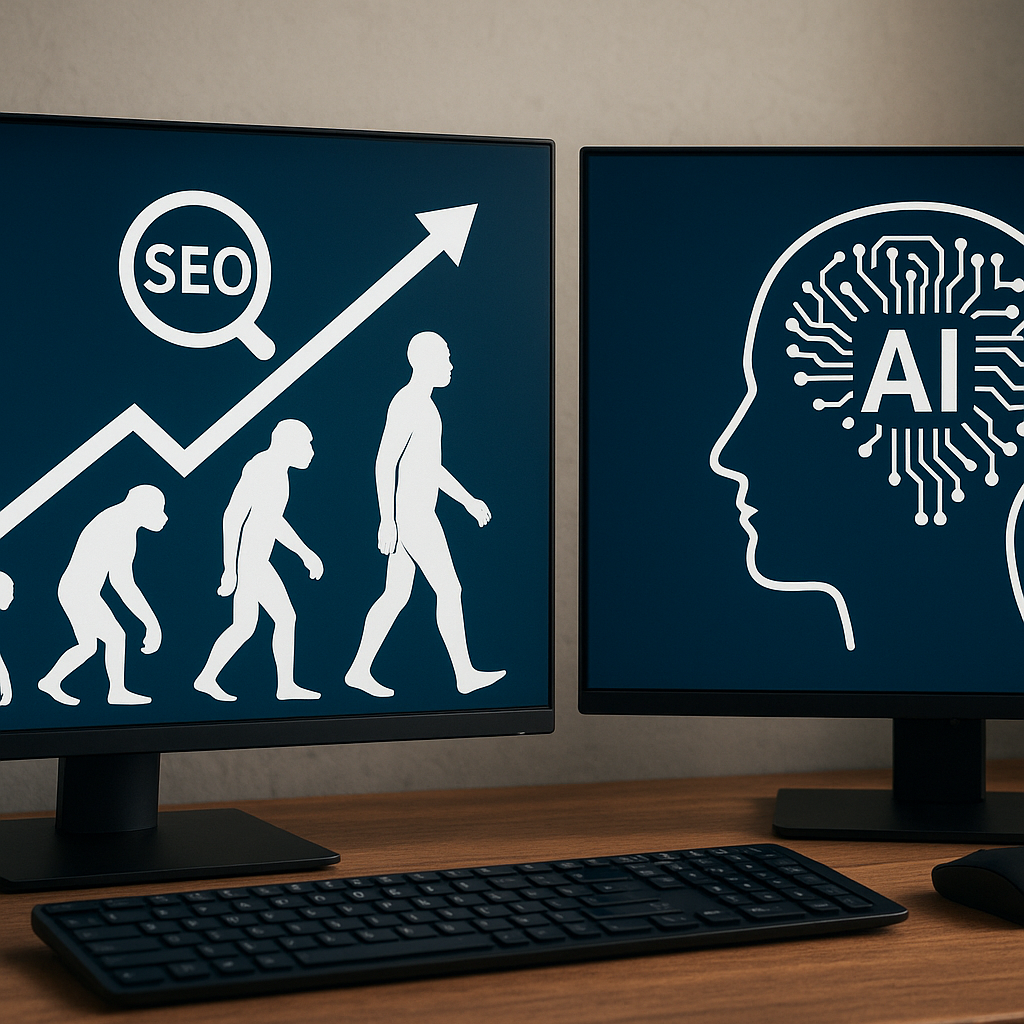
The digital ecosystem has entered a transformative era where cutting-edge technologies reshape every facet of online visibility. As search engines evolve, businesses and content creators must adapt strategies that harness the true potential of AI. This article delves into the revolutionary changes in search engine optimization, offering a comprehensive look at tools, techniques, and trends that define success in an increasingly automated environment.
Understanding AI-Driven SEO
Search engines no longer rely solely on simple keyword matching or manual rule sets. Today’s ranking systems leverage complex algorithm architectures designed to reward high-quality, relevant content. Behind the scenes, sophisticated models analyze billions of signals in real time, making SEO a dynamic practice that evolves with each update.
Key Components of Modern SEO
- Machine learning models recognizing content patterns
- Advanced feature extraction from text, images, and video
- User behavior analysis to refine intent-based results
- Real-time feedback loops for continuous improvement
Semantic Search Evolution
With the arrival of entity recognition and knowledge graphs, search engines understand concepts rather than simple keywords. This shift means that pages optimized purely for exact-match phrases lose ground to content that provides context, answers related queries, and builds topical authority.
From Static to Dynamic Optimization
Traditional on-page tweaks have given way to adaptive strategies. AI-powered platforms scan site performance, identify underperforming pages, and suggest improvements—such as adjusting heading structures or rebalancing keyword density—to maintain or improve organic ranking positions.
Key AI Tools Transforming SEO Practices
Today’s SEO toolkit is brimming with AI-driven solutions designed to tackle everything from content ideation to technical audits. Integration of natural language generation and predictive analytics helps marketers stay ahead of shifting search patterns.
- GPT-based writing assistants for scalable content creation
- Automated technical crawlers identifying site issues
- Real-time keyword opportunity scanners powered by data-driven insights
- Chatbots improving user engagement and dwell time
- A/B testing frameworks utilizing reinforcement learning
Content Generation and Enhancement
Leading platforms now offer on-demand topic clusters, semantic relation maps, and tone calibration—all designed to ensure that every piece of content aligns with user intent. By combining human expertise with AI suggestions, teams can produce high-quality pages at scale.
Automated Link-Building
While link equity remains a top ranking factor, AI tools help identify credible outreach targets by analyzing domain authority, relevance, and conversational history. This automation frees up resources for relationship-building and strategy refinement.
Challenges and Ethical Considerations
Rapid AI adoption raises questions about transparency, bias, and content authenticity. As algorithms become more opaque, understanding the impact of hidden ranking factors becomes ever more challenging.
Bias and Fairness in Search Results
AI models trained on historical data may inadvertently reinforce existing biases, affecting which pages rank highest. SEO professionals must stay vigilant, ensuring that content strategies promote diversity and equity rather than perpetuating discriminatory patterns.
Quality Control and Authenticity
With the ease of generating large volumes of text, distinguishing genuine expertise from mass-produced articles is critical. Search engines increasingly penalize shallow or spun content, so maintaining human oversight and fact-checking remains paramount.
Data Privacy and Compliance
Collecting user signals for personalization requires adherence to global regulations. Marketers must balance tailored experiences with consent management and data protection, safeguarding both brand reputation and user trust.
The Future of SEO: Predictions in an AI-First World
As search interfaces diversify beyond traditional text queries, staying ahead means embracing emerging modalities and hyper-personalized pathways. Anticipating these developments can give brands a competitive edge.
Rise of Voice Search and Conversational Queries
Smart speakers and voice assistants are driving a shift toward natural, question-based queries. Optimizing for conversational language and long-tail intent will become a cornerstone of effective SEO strategies.
Visual and Multimodal Search
Search platforms increasingly support image, video, and augmented reality inputs. Brands that tag multimedia assets semantically and optimize structured data will gain visibility in these next-gen search experiences.
Personalization at Scale
Expect hyper-personalization driven by individual browsing habits, device contexts, and predictive modeling. Dynamic landing pages that adapt content in real time will set new performance benchmarks.
Integration with Emerging Technologies
As virtual and augmented reality environments mature, SEO will extend into immersive spaces. Virtual storefronts, interactive demos, and 3D product galleries optimized for search within VR platforms will create novel discovery channels.
Continuous Learning and Adaptation
SEO professionals must embrace a mindset of lifelong learning, leveraging AI tools to detect pattern shifts quickly. By fostering collaboration between data scientists, developers, and content creators, organizations can remain agile in the face of constant algorithmic change.