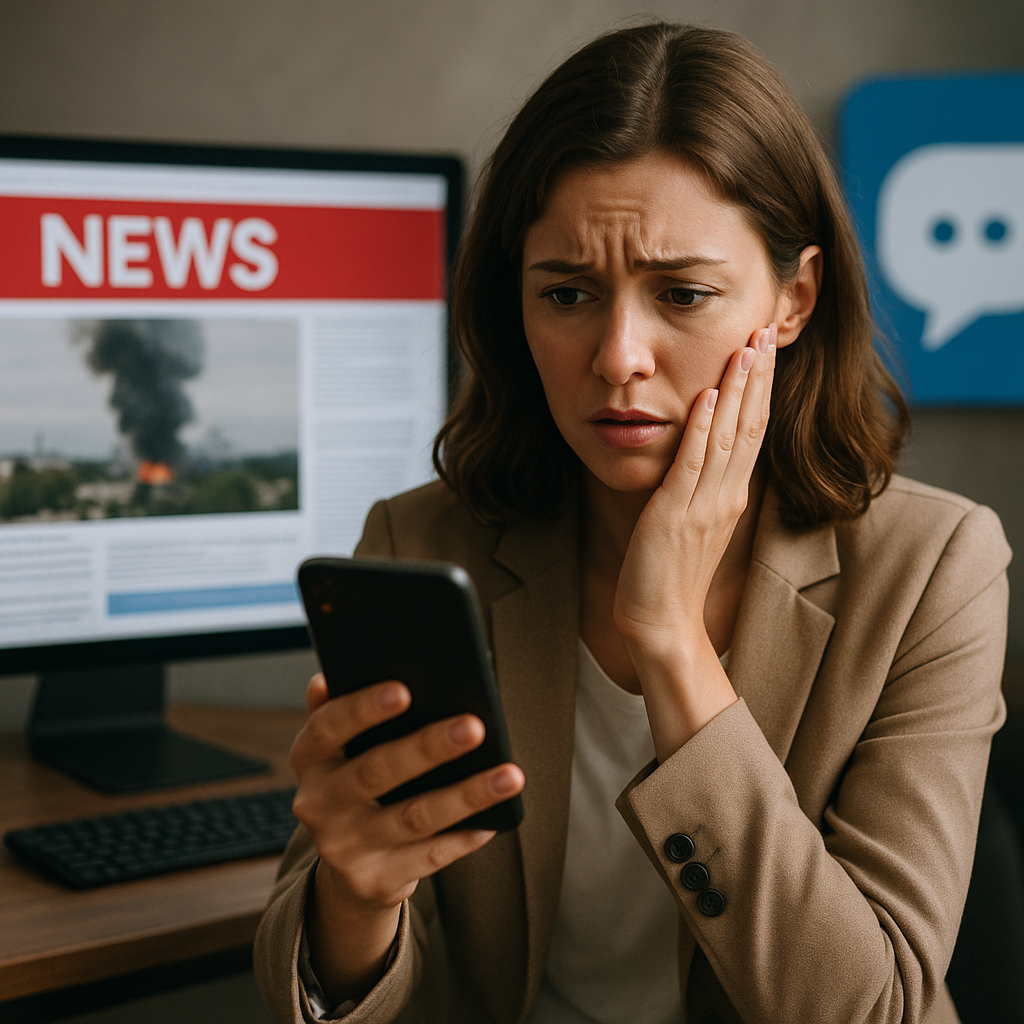
The advent of digital platforms has revolutionized how organizations manage critical situations. Social media channels offer unparalleled reach, enabling instant dissemination of information and fostering direct interaction with affected communities. Understanding the evolving role of these platforms in crisis communication is essential for professionals seeking to protect reputations, maintain stakeholder trust, and coordinate timely responses.
Understanding Crisis Communication in the Social Media Era
Historically, crisis management relied on traditional media outlets—television, radio, and press releases—to inform the public. While effective, these channels lacked immediacy and two-way engagement. The rise of platforms like Twitter, Facebook, and Instagram ushered in an era of real-time updates, allowing organizations to address rumors, provide updates, and gather feedback without intermediaries.
Central to this transformation is the concept of real-time monitoring. Advanced social listening tools enable communicators to track trending hashtags, sentiment shifts, and emerging concerns. By analyzing user-generated content, teams can anticipate potential escalations and tailor their messages accordingly. Beyond response, platforms serve as a barometer for public sentiment, providing insights that inform strategy adjustments on the fly.
However, with speed comes risk. A single misstep—for example, an insensitive reply or inaccurate update—can go viral, exacerbating the original issue. Developing robust protocols and approval workflows ensures that every communication aligns with organizational values and legal requirements. In this ecosystem, transparency becomes a cornerstone: audiences expect candid updates and clear explanations of ongoing efforts to mitigate harm.
Furthermore, social media amplifies the voices of various stakeholders, from concerned citizens to activist groups. Effective crisis communicators must navigate this complex network, addressing diverse perspectives while maintaining a unified message. This requires cultural sensitivity, adaptability, and a deep understanding of each platform’s unique dynamics.
Key Platforms and Their Dynamics
Twitter/X: The Pulse of Public Conversation
Often the first source for breaking news, Twitter—recently rebranded as X—thrives on brevity and immediacy. Organizations can issue concise updates through rapid tweets, but must also monitor replies and quote tweets for real-time feedback. Hashtags drive discoverability, enabling crisis managers to group related discussions and track evolving narratives.
Best practices on X include:
- Establishing dedicated crisis accounts to centralize communication
- Using consistent hashtags to consolidate information streams
- Pinning critical updates for prolonged visibility
- Engaging with credible influencers to broaden reach
Facebook and Instagram: Visual Storytelling and Community Management
Facebook’s extensive user base and versatile post formats support detailed updates, live video briefings, and community group interactions. Through features like pinned posts and Story highlights, organizations maintain a persistent presence. Instagram complements this with image-driven content, appealing to audiences who favor visual narratives and behind-the-scenes insights.
Leveraging these platforms effectively demands:
- High-quality visuals and infographics to clarify complex situations
- Interactive Q&A sessions via live streams
- Regularly updated Story sequences to maintain audience attention
- Community moderation guidelines to manage user comments constructively
Strategies for Effective Social Media Crisis Response
A comprehensive crisis communication plan integrates pre-crisis preparedness, active response, and post-crisis evaluation. Each phase relies on targeted social media strategies underpinned by analytics and scenario-based training.
Pre-Crisis Preparedness
Preparation begins with risk assessment and stakeholder mapping. By identifying potential vulnerabilities—such as data breaches, product recalls, or natural disasters—teams can draft templated messages and designate response owners. Social media playbooks should outline:
- Crisis severity levels and corresponding escalation protocols
- Approval hierarchies for public statements
- Roles for social listening and sentiment analysis
- Integration with traditional channels for unified messaging
Regular monitoring drills and mock scenarios help refine workflows and ensure that personnel remain familiar with platform-specific functionalities. This stage strengthens organizational resilience and accelerates response times when real crises occur.
Active Response and Engagement
When a crisis unfolds, speed and accuracy are paramount. Initial messages should acknowledge the situation, outline known facts, and express empathy for affected individuals. Providing regular updates—even in the absence of new developments—demonstrates commitment to transparency. Key tactics include:
- Issuing consistent messages across all active channels to prevent confusion
- Collaborating with verified experts or partners to enhance message credibility
- Employing targeted ads or promoted posts to reach specific audiences
- Using direct messaging options for high-priority stakeholder communication
Simultaneously, crisis teams must address misinformation by correcting false claims with evidence-based updates. This counters rumor propagation and protects organizational reputation.
Emerging Trends and Future Directions
As technology continues to evolve, so do the tools and tactics available to crisis communicators. Several emerging trends promise to reshape the landscape of social media crisis management:
- Artificial Intelligence and Chatbots: Automated responders can triage inquiries at scale, providing immediate answers to common questions while freeing human teams for complex tasks.
- Augmented Reality (AR) Filters: During public health emergencies or environmental disasters, AR visuals can illustrate safety protocols or rescue routes directly in users’ feeds.
- Decentralized Networks: Blockchain-based platforms may offer tamper-proof channels for distributing official updates, bolstering authenticity.
- Micro-Influencer Collaboration: Partnering with niche content creators fosters deeper community engagement and enhances message relatability.
- Data Privacy Emphasis: With increasing user concern over data security, organizations must balance personalized alerts against privacy regulations, ensuring GDPR and CCPA compliance.
Ultimately, successful crisis communication on social media hinges on an organization’s ability to adapt, innovate, and maintain a human-centric approach. As the boundaries between digital and physical realities blur, communicators who leverage cutting-edge technology alongside timeless principles of empathy and transparency will cultivate stronger stakeholder relationships and navigate disruptions with confidence.