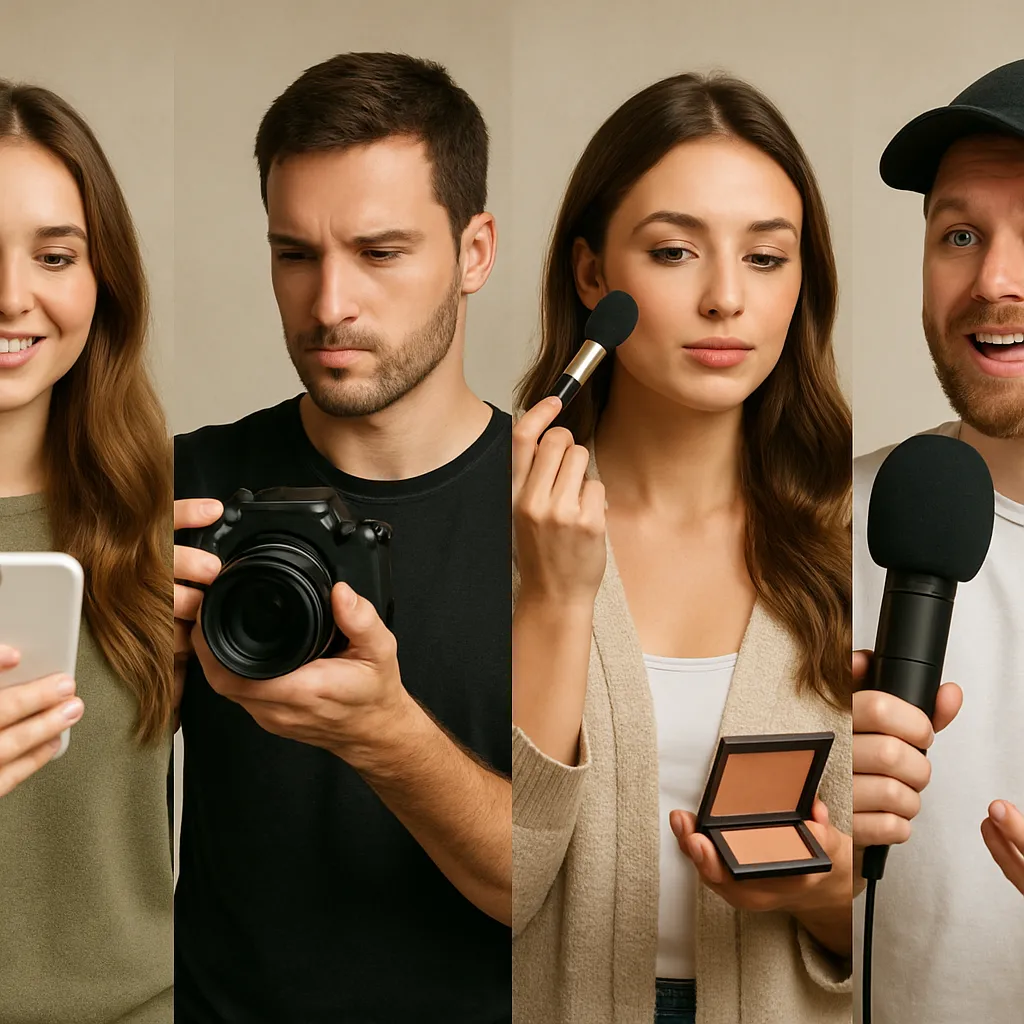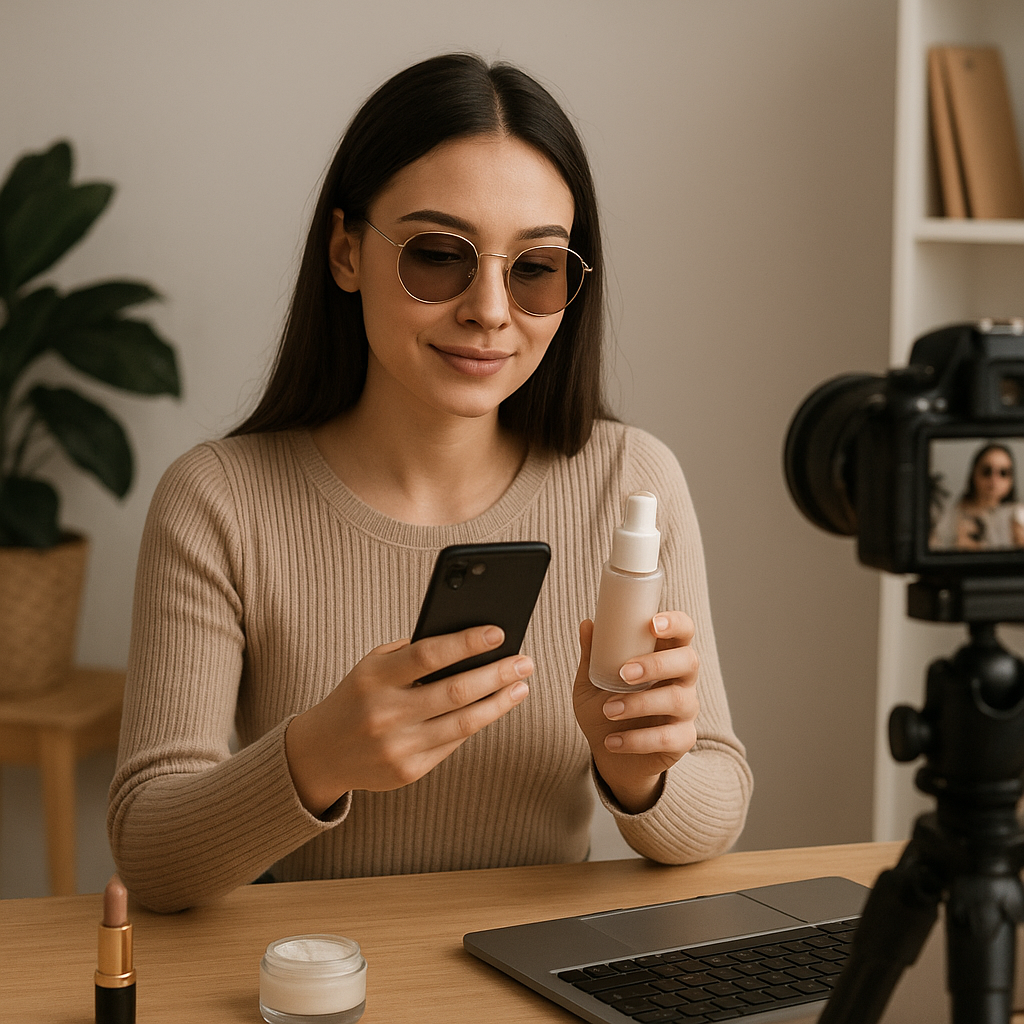
The rapid expansion of digital platforms has transformed everyday users into powerful voices with vast audiences. Influencer marketing capitalizes on this shift, leveraging personal connections to promote products, services, and ideas. While the results can be spectacular, ethical questions emerge around transparency, responsibility, and the influence these personalities wield over consumer behavior. Examining the moral landscape of influencer-driven campaigns is essential for brands, creators, and audiences striving for a balanced and trustworthy environment.
The Rise of Influencer Culture
Social media platforms like Instagram, YouTube, TikTok, and Twitter have given birth to a new breed of communicators known as influencers. These individuals build large followings by sharing lifestyle tips, product reviews, travel diaries, or creative content. Their authenticity and relatability often drive higher conversion rates than traditional advertisements. However, the blurred lines between personal expression and paid promotion raise questions about the credibility of the content being shared.
Influencers vary in scope and specialization:
- Macro-influencers: Those with hundreds of thousands or millions of followers.
- Micro-influencers: Niche experts with 10,000 to 100,000 followers, prized for deeper engagement.
- Nano-influencers: Everyday consumers with a few thousand followers, often seen as the most authentic.
As the industry matures, marketers must balance reach with genuine connection. A macro-influencer might offer scale, but a micro- or nano-influencer can provide more meaningful interactions. Selecting the right collaborator involves assessing both numbers and the influencer’s alignment with brand values.
Transparency and Disclosure
One of the most pressing ethical concerns is whether influencers clearly disclose paid relationships. Without clear labeling, audiences may not realize they’re seeing an advertisement rather than an organic recommendation. Such ambiguity can lead to unintentional manipulation of consumer decisions.
Key principles for ethical disclosure include:
- Clarity: Influencers must use unmistakable language such as “#ad” or “#sponsored” at the beginning of captions or verbally mention sponsorship in videos.
- Visibility: Disclosures should appear in the same medium as the advertisement and not be hidden behind “see more” or buried in a string of hashtags.
- Consistency: Every sponsored post or story must carry the disclosure, regardless of platform or format.
Both influencers and brands share responsibility. While platforms increasingly enforce rules—Instagram’s “Paid Partnership” tool and YouTube’s ad disclosures, for example—final accountability rests with humans. Failing to disclose can erode trust and expose parties to legal risks under consumer protection laws.
Psychological Impact on Consumers
Influencers thrive on the perception of intimacy and peer recommendation. When a follower feels connected to a creator, they may be more inclined to accept advice at face value. This genuine bond can backfire if audiences aren’t aware of commercial motivations behind the content.
Psychologists warn about potential consequences:
- Emerging social pressures: Young users aspire to the lifestyles portrayed online, leading to increased feelings of inadequacy or FOMO (fear of missing out).
- Inkling of bias: Even well-intentioned creators can unconsciously favor sponsors, undermining their objectivity.
- Overconsumption: Frequent product pushes may encourage impulsive buying, affecting financial well-being.
Brands should prioritize responsibility by promoting realistic messages and avoiding over-the-top claims. Influencers who integrate honest testimonials, including both pros and cons, can reinforce their credibility while safeguarding audience welfare.
Regulatory Frameworks and Industry Guidelines
To protect consumers, governments and industry bodies worldwide have introduced regulations governing influencer activities. The Federal Trade Commission (FTC) in the United States, for instance, mandates clear disclosures, while the Advertising Standards Authority (ASA) in the UK enforces similar guidelines.
Key regulatory demands include:
- Explicit labeling of sponsored content to prevent deceptive practices.
- Accurate representation of product performance; false or exaggerated claims can trigger penalties.
- Record-keeping by brands: Documentation of contracts, payment terms, and disclosure proofs.
In addition to legal mandates, trade associations have published voluntary guidelines. Influencer marketing platforms often require creators to confirm adherence to these rules before matching them with campaigns. As the field evolves, we may see digital signatures or blockchain solutions to verify transactions and disclosures, enhancing overall accountability.
Future Directions in Ethical Influencer Marketing
The next decade promises further innovation and scrutiny. Artificial intelligence will streamline campaign targeting but also raise concerns about micro-targeting vulnerable demographics. Audiences are becoming savvier; they expect transparent practices and may penalize non-compliant influencers by unfollowing or reporting posts.
Opportunities for ethical advancement:
- Third-party auditing: Independent reviewers could certify adherence to disclosure and content standards.
- Co-creation models: Brands and influencers collaborating on fair terms, sharing both creative control and decision-making power.
- Educational initiatives: Workshops and online courses on ethical marketing practices for aspiring creators.
By embracing these developments, the influencer marketing ecosystem can evolve into a space where innovation coexists with integrity. Stakeholders who champion transparency, fairness, and respect for consumer autonomy will shape a sustainable future that benefits all participants.