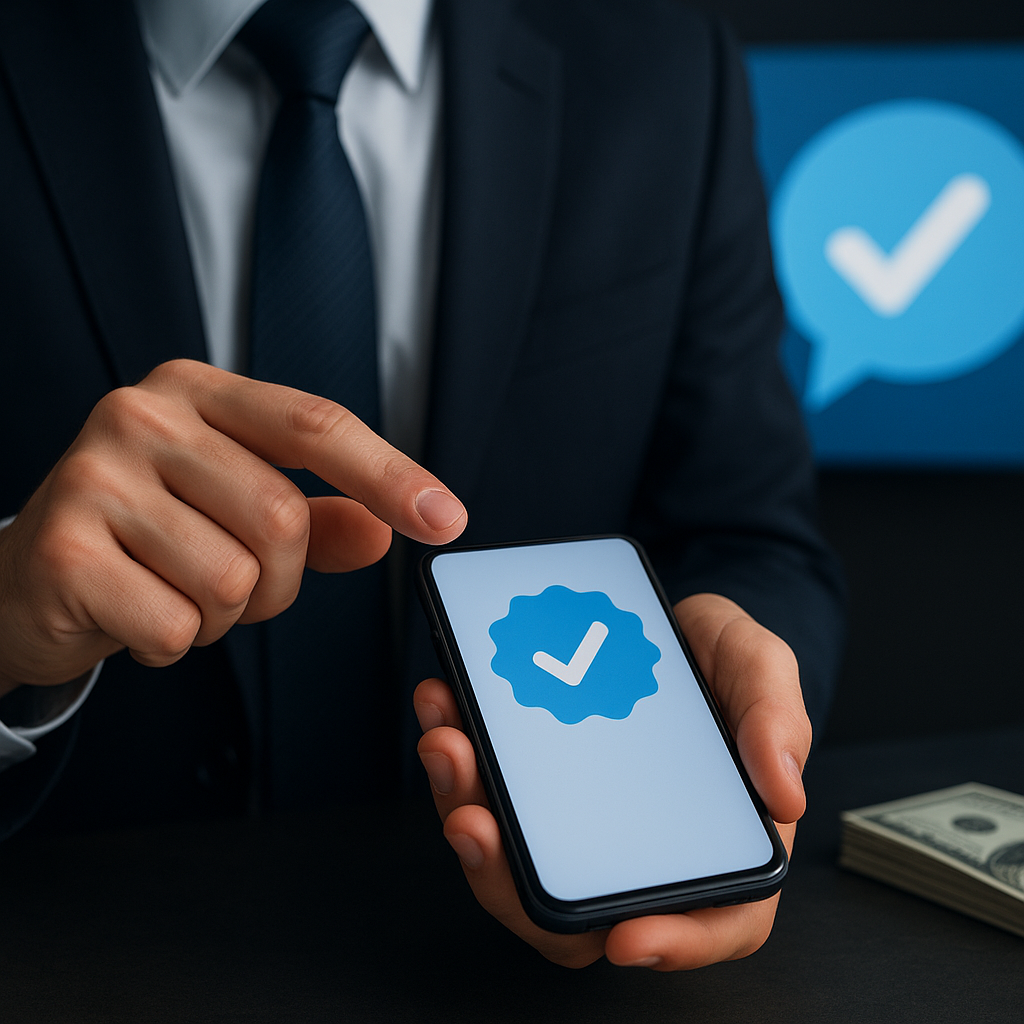
The business of social media verification has evolved from a simple badge of status into a multi-faceted ecosystem influencing **credibility**, **monetization**, and user engagement. Platforms race to refine their processes, while entrepreneurs and third-party services capitalize on the demand for that coveted blue tick. This article explores how verification has become a revenue stream, the challenges of automated and human-driven checks, and what lies ahead in the quest for genuine online identity.
Verification as a Service: Monetizing Authenticity
Once reserved for celebrities and global brands, social media verification now spans a spectrum of users, from niche **influencer** accounts to small business profiles. Platforms like Twitter, Instagram, and TikTok have introduced tiered verification paths, often bundled with subscription models or in-app purchases. This shift has transformed a formerly symbolic trust mark into a tangible revenue generator.
Third-party providers have seized the opportunity, offering “expedited verification” packages that promise to navigate complex platform requirements. Although these services may claim to guarantee success, they also highlight a darker side of the industry: users paying hundreds or thousands of dollars, only to face rejection or delays. The surge in demand for verification has given rise to a parallel market of fraudulent agencies that exploit gaps in platform policies, undermining overall **trustworthiness**.
To safeguard their reputation and maintain a competitive edge, social networks have increasingly employed both AI-powered scans and manual review teams. Artificial **algorithmic** filters scan for activity patterns—spam indicators, follower ratios, and content quality—while trained moderators validate personal documents and external references. This hybrid approach seeks to balance scale with accuracy, but also increases operational costs, which platforms offset by charging verified users a premium.
Key features of modern verification offerings include:
- Priority customer support for troubleshooting profile issues
- Extended reach and **visibility** in search results and recommendation feeds
- Access to exclusive analytics or **metrics** dashboards
- Customizable badges or profile themes to differentiate verified members
Emerging Platforms and Third-Party Verification
Beyond the mainstream giants, a wave of specialized apps and niche networks are adopting unique verification methods. Professional networks emphasize linked credentials—such as university records or industry certifications—while art-centric platforms may require exhibition history or curator endorsements. These criteria are designed to foster **transparency** and reduce noise from irrelevant or malicious accounts.
One innovative trend is decentralized verification via blockchain. Projects like Web3 identity frameworks allow users to accumulate attestations from multiple sources, storing confirmations on an immutable ledger. This approach promises a portable, tamper-proof reputation capital that travels across apps and services, mitigating the “walled garden” limitations of traditional social networks.
However, decentralization introduces its own challenges. Establishing a universal standard for on-chain attestations requires consensus among diverse stakeholders, from privacy advocates to enterprise clients. Additionally, ensuring that off-chain data—such as passports or diplomas—can be reliably linked to blockchain entries remains a technical hurdle.
Another dimension arises in the gaming and virtual reality sectors, where avatars and digital goods require identity verification. In these environments, proof of ownership and identity must guard against theft, phishing, and deepfake attacks. Verifying a user’s control over a unique token or avatar image thus extends the concept of **cybersecurity** into immersive social experiences.
The Future of Trust in a Digital Age
As social media platforms refine their verification offerings, broader questions emerge about the nature of **authenticity** online. Will badges continue to hold value, or will users seek alternative markers of genuine influence, such as peer endorsements or community-driven stamps of approval? The rise of ephemeral content and private communities suggests a shift toward more intimate, trust-based interactions rather than public prestige.
Regulatory scrutiny is also intensifying. Governments around the globe are drafting rules to curb misleading verification claims and unauthorized resale of verification services. In some regions, platforms may be required to publish transparency reports detailing approval rates and demographic breakdowns of verified profiles. Such measures aim to reduce **monetization** abuses and ensure equitable access to verification for underrepresented groups.
Meanwhile, advances in machine learning are steering verification toward real-time behavior analysis. Future systems might continuously assess account integrity, flagging sudden changes in posting frequency, sentiment anomalies, or network connections. This proactive stance could help detect compromised accounts and deepfake-generated content before it gains traction.
Cultivating long-term user trust will demand clear communication of verification policies and data-handling practices. Interactive tutorials, community forums, and open APIs for verification status could demystify the process and foster collaboration between platforms and their user base. By positioning verification as a shared responsibility rather than a pay-to-play feature, social networks may reinforce their commitment to safe, **credible** digital spaces.
Key Takeaways for Brands and Creators
- Prioritize organic engagement and quality content before seeking verification
- Evaluate third-party services carefully to avoid scams and policy violations
- Leverage platform analytics to identify the strategic value of the verification badge
- Stay informed about changing guidelines and legal frameworks
- Consider multi-platform, decentralized identity solutions for broader reach
Conclusion of Emerging Trends
The evolving landscape of social media verification reflects a broader quest for secure, **innovative** ways to establish identity and trust online. From subscription-based badges to blockchain attestations, the tools may vary, but the underlying goal remains consistent: connecting genuine voices with engaged audiences in a cluttered digital environment.