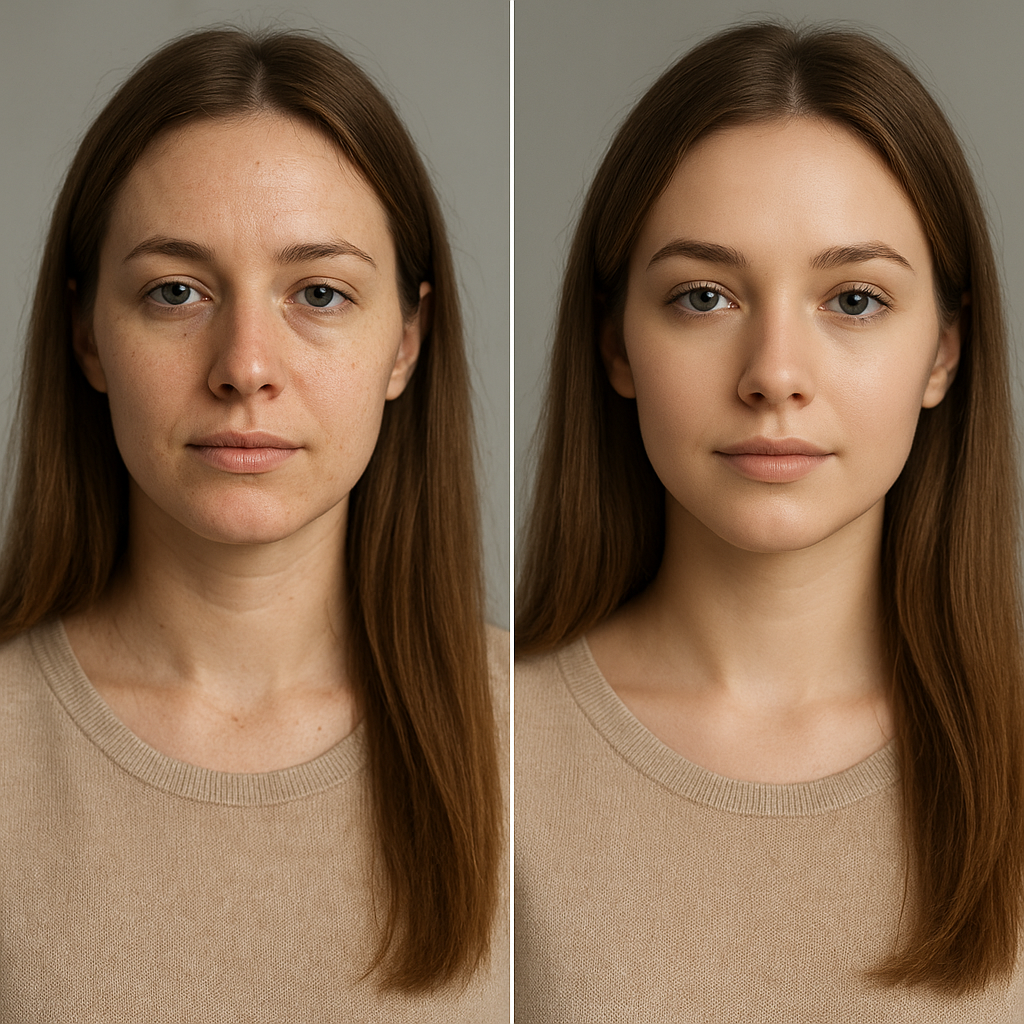
The pervasive rise of AI filters on numerous social media platforms has reshaped how individuals perceive their own self-image. From the effortless removal of blemishes to the drastic contouring of facial features, these digital enhancements have become integral to daily content creation. Users of platforms such as Instagram, Snapchat, and TikTok now routinely engage with filters that promise flawless skin, larger eyes, thinner noses, or entirely fantastical transformations. While these tools offer unprecedented levels of creativity and engagement, they also raise critical questions about the long-term implications for personal identity, societal norms, and mental health.
AI filters and the evolution of visual culture
Advancements in computer vision and deep learning have empowered platform developers to build filters that are more sophisticated than ever before. Facial recognition models automatically detect landmarks—eyes, lips, cheekbones—and then apply real-time adjustments, seamlessly blending the user’s original features with algorithmically generated enhancements. This rapid progress is altering the landscape of social media by introducing a new form of participatory consumption: audiences no longer just view content, they actively transform reality before sharing it.
Traditionally, makeup, lighting, and skilled photography were tools used by professionals to craft idealized images. Now, anyone with a smartphone can achieve similar—or even more extreme—results at the tap of a button. What was once an artisanal approach to aesthetics has become democratized, accelerating the pace at which visual standards evolve. As a result, filters not only mirror existing beauty norms but also propagate novel trends that may lack real-world predecessors, further complicating our collective understanding of attractiveness and authenticity.
Shaping identity formation and online behavior
From a psychological perspective, frequent use of digital filters can influence the way individuals view themselves offscreen. When users continually present a refined or idealized version of their appearance, they may begin to internalize the expectation that their unfiltered self is inherently insufficient. Studies have shown that young adults who rely heavily on photo-editing apps report lowered self-esteem and increased anxiety about their unaltered looks.
Meanwhile, savvy social media influencers harness the power of filters to curate distinct personal brands, blending performance and reality. Their followers, seeking to emulate this polished persona, may adopt similar filter-driven presentation techniques. This feedback loop establishes a cycle in which the boundary between genuine self-expression and strategic self-promotion grows increasingly blurred. Consequently, users risk anchoring their sense of identity to transient digital masks rather than to enduring personal qualities.
- Peer comparison intensifies as everyone chases the same algorithmic ideal.
- Filters introduce new cognitive biases, making users misjudge peer authenticity.
- Younger demographics may struggle to distinguish between augmented and unmodified images.
Opportunities for empowerment and personalization
Not all impacts of AI filters are negative. For many users, these tools serve as outlets for self-expression and exploration. Individuals who feel constrained by conventional beauty norms can experiment with gender presentation, artistic motifs, or cultural aesthetics without fear of permanent commitment. By temporarily adopting alternative appearances, they gain insights into personal style, fostering empowerment through safe experimentation.
Furthermore, algorithmic personalization enables platforms to recommend filters that align with each user’s unique preferences. Through machine learning, systems learn which color palettes, augmentations, or frames resonate most, delivering tailored experiences. This personalization can deepen engagement and spark new creative directions, as users discover looks and concepts they might never have encountered organically.
Case in point: Virtual try-ons and inclusive design
Brands have begun integrating AI-powered try-on features to help consumers preview makeup, eyewear, and hairstyles. These applications can boost confidence in purchasing decisions, reducing return rates and fostering more satisfying shopping journeys. Additionally, by supporting a wide range of skin tones and facial structures, developers can champion a more inclusive digital environment—provided they commit to robust dataset diversity and equitable model training.
Algorithmic accountability and future trends
As the influence of AI filters expands, calls for transparency and responsible design intensify. Policymakers and advocacy groups are urging social media companies to disclose when images have been digitally altered to protect viewers from unrealistic expectations. Industry experts advocate for filter opt-in labels or “digital nutrition” scores that inform users about the extent and type of modifications applied.
On the technological frontier, researchers are exploring ways to embed ethical constraints directly into filter architectures. By leveraging explainable AI techniques, developers can illuminate the decision pathways guiding facial adjustments, allowing end users to understand—and possibly customize—the transformation parameters. This approach promises a new era of user-centric design that balances innovation with safeguarding psychological well-being.
Looking forward, the integration of augmented reality (AR) glasses and contact lenses may further blur the lines between physical and virtual self-representation. Real-time filters could become persistent overlays, shaping how individuals perceive themselves in mirrors and how others perceive them in person. These advancements open exciting possibilities for personalized living environments, immersive storytelling, and digital fashion—but they also demand vigilant examination of their broader impact on human perception and social dynamics.