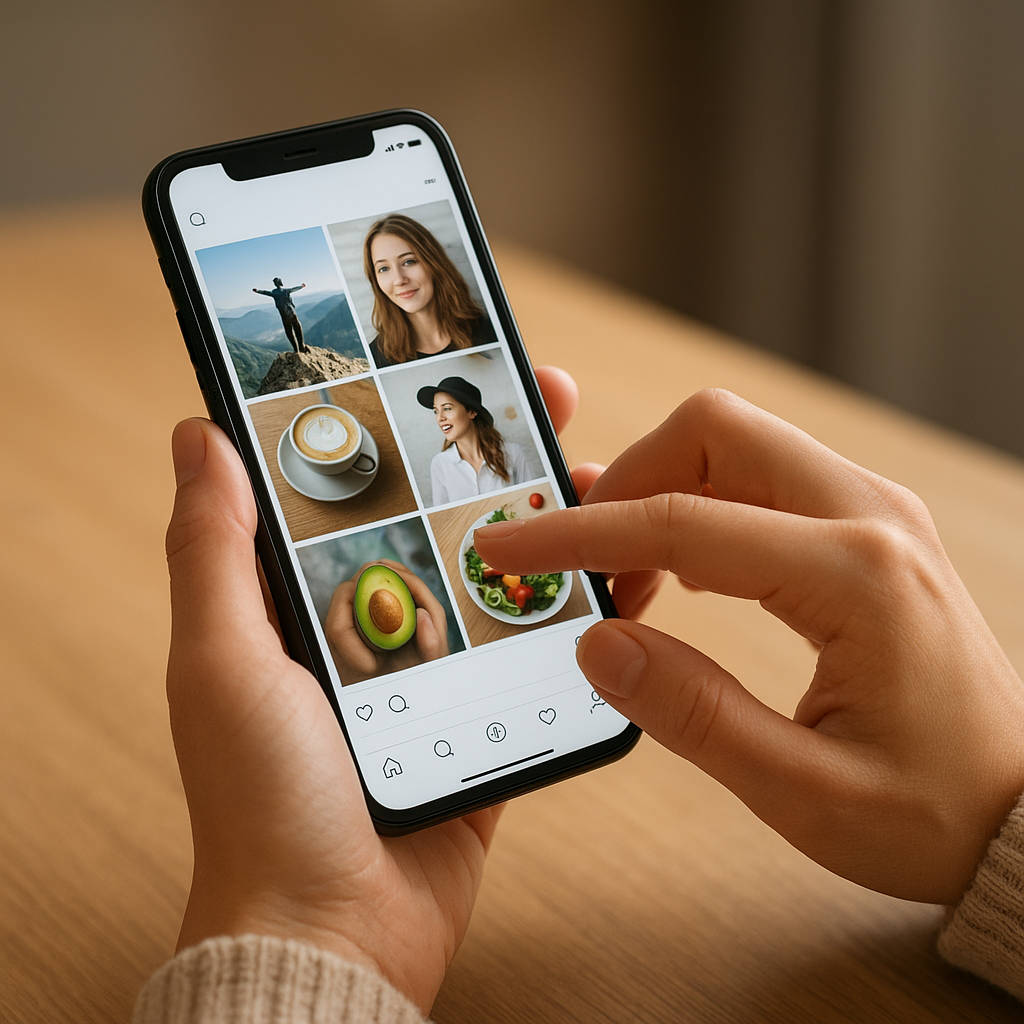
The intertwining of social networks with daily interactions has reshaped how individuals communicate, trust, and grow together. By dissecting the multifaceted influence of platforms, we can uncover the subtle shifts in intimacy, expectations, and self-perception that define modern bonds. This examination navigates through emotional nuances, perception biases, evolving trends, and the delicate dance of privacy and boundaries to illuminate how social media molds the landscape of personal connections.
Communication Dynamics and Emotional Impact
Instant Exchange and Perceived Closeness
Real-time messaging and video calls offer an unprecedented sense of proximity. Platforms deliver notifications the moment a friend or partner types a message, transforming distance into a near-physical sensation. Yet, this digital immediacy carries double-edged implications: while rapid feedback fosters a sense of connectivity, it also breeds anxiety when replies lag. Expectations become heightened, as individuals equate delayed responses with waning interest or neglect.
Emojis, Memes, and Emotional Nuance
Text alone often lacks the tonal subtleties of spoken language. Thus, users rely on emojis, GIFs, and memes to convey humor, affection, or even sarcasm. Over time, these visual cues cement themselves as a new vernacular of feelings. However, misinterpretations can still occur: a seemingly benign wink or smiley may be read as flirtatious or dismissive, leading to misunderstandings that quick-fire texts cannot always resolve.
Public Versus Private Discourse
In-app stories and public comments invite a blend of personal revelation and performance. Couples may share curated moments—sunrise breakfasts or tandem workouts—while concealing everyday struggles. This dichotomy between public display and private reality can erode trust, as partners question which facets of their relationship remain unseen. Open dialogues about posting preferences and mutual consent help balance authentic sharing with private intimacy.
Perception, Comparison and Behavior
The Comparison Trap
Scrolling through polished feeds triggers automatic comparisons. When friends highlight triumphs—new jobs, enviable vacations, milestone celebrations—others may internalize these as standards rather than snapshots. The result is an emotional roller coaster, characterized by fleeting joy for peers followed by pangs of inadequacy. Research shows that prolonged exposure to idealized content can undermine self-esteem, sparking feelings of envy that seep into interpersonal relationships.
Influence on Self-Image and Decision-Making
Influencers and micro-celebrities exert significant sway over lifestyle choices, from fashion to fitness routines. Their endorsements shape norms around attractiveness, success, and even relationship roles. While some followers draw inspiration and authenticity from these online figures, others chase unattainable ideals, investing time and resources in mirroring celebrity-driven aesthetics. This dynamic can skew priorities, redirecting energy toward projecting a certain image rather than nurturing genuine connections.
FOMO and Social Calendar Inflation
The Fear of Missing Out (FOMO) compels individuals to overcommit to events and social gatherings, often documented on shared calendars or group chats. Partners may feel pressured to attend every meetup or livestream, stretching themselves thin. The temptation to broadcast presence—through check-ins, livestreams, or real-time updates—further intensifies the performance aspect of social life. This hyper-engagement can lead to exhaustion and dilute the quality of intimate moments.
Navigating Privacy, Boundaries and Emerging Trends
Privacy Concerns in an Open Arena
With each posted photo or status update, users trade portions of their personal data for visibility and engagement. Platforms track behavioral patterns, refine algorithms, and curate feeds designed to maximize screen time. Although filters and privacy settings offer some control, the underlying data collection persists. Partners must discuss the extent to which personal stories, images, or locations remain shared publicly versus kept behind closed doors.
Establishing Healthy Boundaries
Defining social media guidelines together safeguards relationship health. Couples can decide on mutual rules—such as no phones at dinner, limited nightly scrolling, or advance approval for couple selfies. These agreements respect individual comfort levels and prevent unilateral decisions that might breed resentment. By recognizing social media as another terrain requiring consent and negotiation, relationships can thrive without digital overreach.
Ephemeral Content and the Rise of Stories
Stories, fleeting in nature, have become a dominant format. Their 24-hour lifespan encourages spontaneous sharing but discourages lasting reflections. While this might lower posting barriers—users feel free to document mundane moments—the short-lived content can also create lopsided memories. Important conversations risk vanishing amid a flood of ephemeral highlights unless consciously archived or revisited.
The TikTok Effect and Micro-Creativity
Short-form video platforms prioritize rapid consumption and viral challenges. Relationship advice, pranks, and romantic gestures become distilled into bite-sized clips that range from endearing to potentially harmful. The pressure to perform choreographed dances or participate in duets can intrude upon genuine courtship, turning affection into a spectacle. Nonetheless, couples who co-create content may find the process strengthens teamwork and nurtures shared hobbies—provided they align on creative direction.
Guidelines for Sustainable Connectivity
- Schedule periodic social media “detox” periods to recharge emotional reserves.
- Prioritize face-to-face conversations over text-based debates when addressing conflicts.
- Use platform analytics to monitor individual usage patterns and adjust screen-time goals.
- Celebrate offline milestones without the need for immediate documentation or external validation.
- Foster mutual support by following friends and partners whose content uplifts and inspires.
Navigating the intersection of love, friendship, and social platforms demands awareness of both digital possibilities and pitfalls. By emphasizing open communication, realistic expectations, and shared strategies for privacy and influence, individuals can harness the positive facets of online networks without sacrificing the depth and authenticity of their relationships.