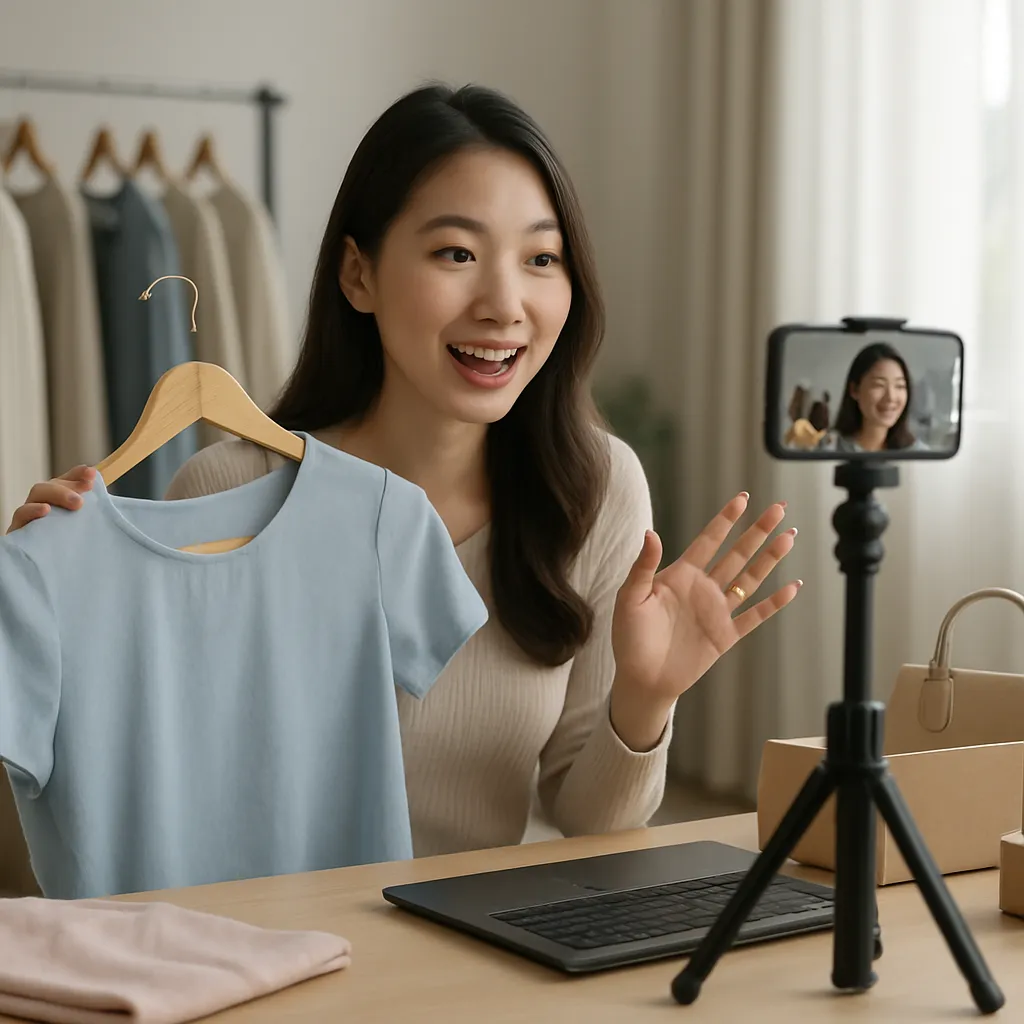
The explosive growth of livestream shopping has transformed the way brands and consumers interact online. By merging entertainment with commerce, this model taps into the power of real-time communication and creates an interactive environment that elevates engagement and drives sales. As the digital landscape continues to evolve, understanding the key drivers behind this trend is vital for businesses aiming to stay ahead.
The Rise of Livestream Shopping Platforms
The journey of livestream shopping began in Asia, where platforms like Taobao Live pioneered the fusion of e-commerce and live video. Today, global players such as Amazon Live, Instagram Live, and TikTok Shop have adopted similar models, each catering to specific audience segments.
- Amazon Live: Integrates product showcases seamlessly with existing storefronts.
- Instagram Live: Leverages the visual appeal of fashion, beauty, and lifestyle influencers.
- TikTok Shop: Capitalizes on short-form video virality to spark immediate purchases.
These platforms share common features: embedded shopping carts, live chat windows, and instant purchase links. This cohesive omnichannel approach allows consumers to switch between browsing and buying without leaving the stream.
Key Success Factors
To succeed, platforms must optimize:
- Stream quality and stability
- User interface simplicity
- Integration with existing payment gateways
- Real-time customer support
When executed well, these elements can significantly boost the conversion rate and foster long-term loyalty.
The Role of Social Media Influencers and Community Engagement
Influencers have become central to the appeal of livestream events. Their authentic voices help break down barriers, making product pitches feel like conversations among friends. By interacting directly with hosts, viewers feel more invested, resulting in higher purchase intent.
Building Trust Through Personality
Successful hosts leverage their personal brand to:
- Share honest product reviews
- Host giveaways and limited-time offers
- Answer audience questions live
This approach cultivates a sense of community, transforming passive viewers into active participants. Each question answered and each product demo performed in real-time deepens the connection between brand and consumer.
Technological Innovations Driving the Trend
Advanced technologies are the backbone of modern livestream commerce. From AI-powered recommendations to augmented reality overlays, these tools enhance both host performance and viewer experience.
AI-Driven Analytics and Personalization
Deep-learning algorithms analyze viewing patterns, chat sentiment, and past purchase behavior to deliver:
- Customized product suggestions
- Optimized streaming schedules
- Targeted promotions based on demographic data
By harnessing analytics, brands can fine-tune every session to maximize impact, ensuring that each viewer sees the most relevant content at the optimal moment.
Augmented and Virtual Reality Integration
AR filters allow hosts to virtually “try on” apparel or demonstrate gadgets in a virtual space. VR showrooms, though still emerging, promise immersive experiences where viewers can explore products from all angles. These innovations elevate the level of interactivity beyond mere chatting, positioning livestreams as cutting-edge retail environments.
Future Outlook and Challenges
Despite its momentum, the ecosystem of livestream shopping faces hurdles that must be addressed for sustainable growth.
- Content oversaturation: As more brands enter the space, standing out becomes more difficult.
- Regulatory complexities: Cross-border sales introduce compliance challenges around taxes, duties, and consumer protection laws.
- Platform fragmentation: Multiple streaming channels can dilute audiences and complicate marketing efforts.
- Quality control: Ensuring consistent production value and reliable streaming quality remains a technical hurdle.
To overcome these challenges, companies are investing in robust infrastructure, strategic partnerships with payment providers, and ongoing training programs for hosts. Emphasis on personalization and authentic storytelling will continue to differentiate top performers from the crowd.
In the coming years, we can expect deeper integration between social media networks, e-commerce platforms, and third-party tools that streamline inventory management, customer service, and post-event analytics. As the line between content and commerce continues to blur, brands that prioritize innovation, authenticity, and data-driven decision-making will lead the next wave of retail evolution.