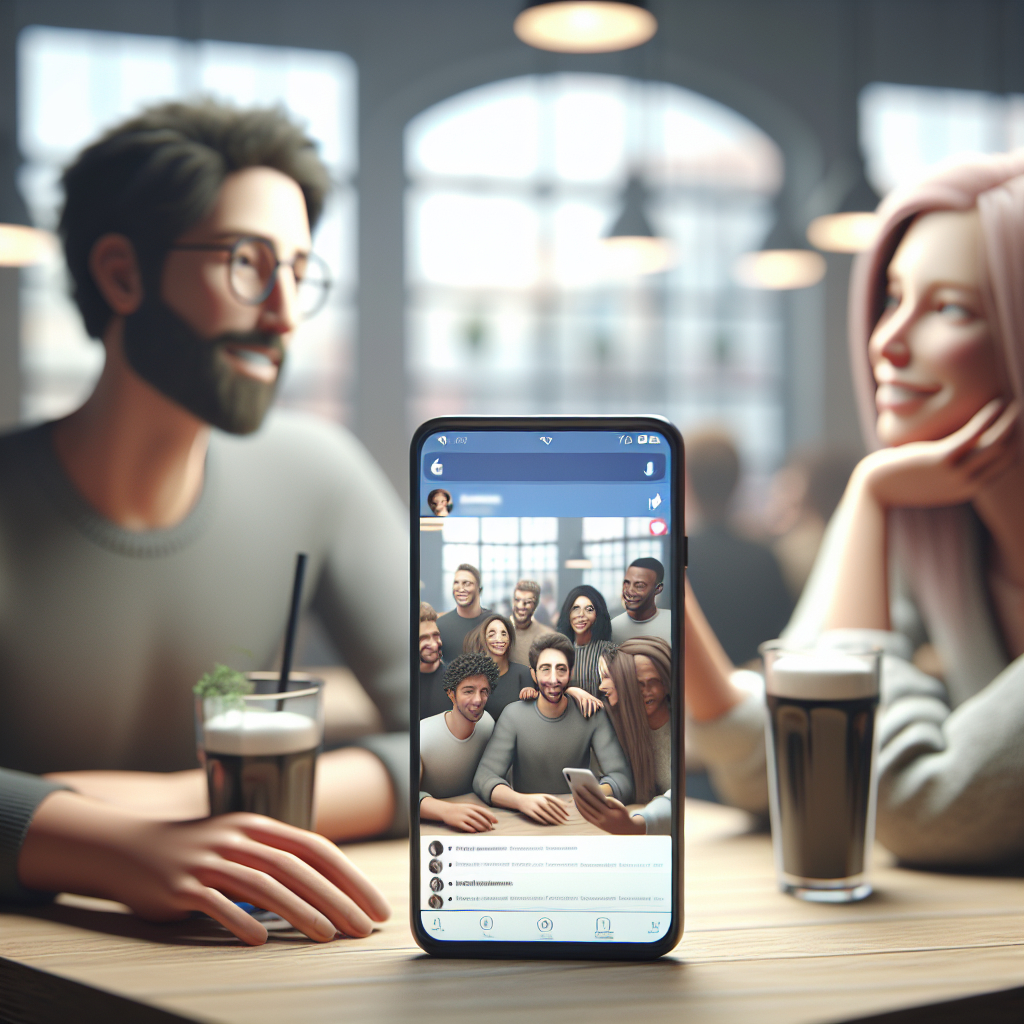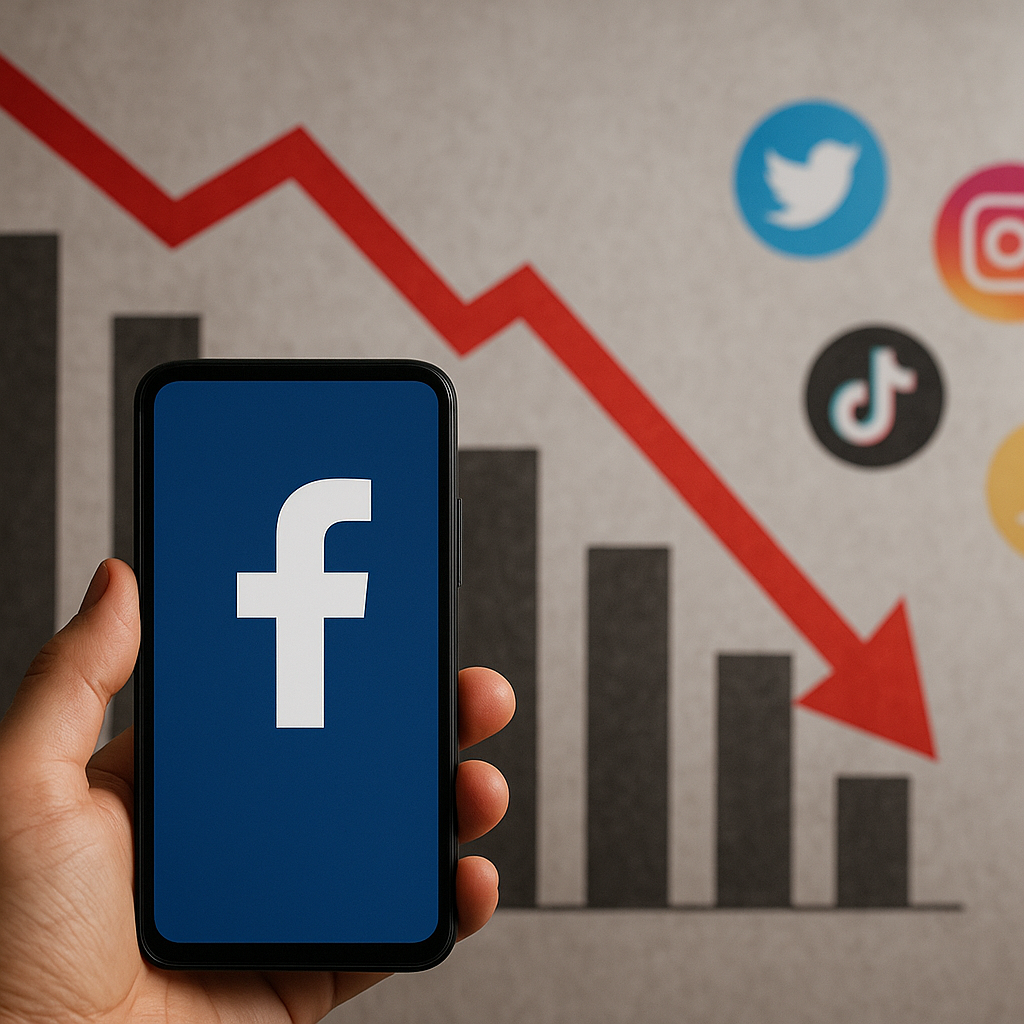
As digital landscapes shift and evolve, one platform once hailed as the centerpiece of social networking has begun to lose its grip. With mounting concerns over privacy scandals, algorithmic controversies, and a maturing user base, Facebook’s dominance is no longer assured. Meanwhile, audiences increasingly explore alternative spaces that promise fresh formats, tighter-knit community bonds, and innovative forms of engagement. This article examines the forces behind Facebook’s decline and maps the routes users are taking as they seek new digital horizons.
Factors Fueling Facebook’s Waning Appeal
Several interlinked dynamics have contributed to a softening of Facebook’s once-unrivaled position. From evolving generational tastes to growing distrust over data handling, these trends combine to create an environment where users feel compelled to look elsewhere for social interaction.
Algorithmic Frustration
The platform’s ever-changing news feed algorithms have drawn ire from both content creators and consumers. Many users report seeing the same types of posts repeatedly, while others find that personal updates from close friends are buried under clickbait and ads. This diminishing sense of authenticity leads to decreased time spent on the network and prompts exploration of alternatives promising more transparency and control.
Privacy and Data Missteps
High-profile controversies have eroded trust in how Facebook manages user data. From third-party breaches to opaque tracking practices, individuals now scrutinize the invisible forces shaping their online experience. As privacy-minded audiences seek platforms that center end-to-end encryption or decentralized identity, Facebook’s monolithic data strategy looks increasingly outmoded.
Generational Shifts
Older Millennials and Gen X continue to use Facebook, but younger cohorts gravitate toward visually driven and fast-paced environments. These digital natives crave immersive formats—short-form videos, ephemeral stories, and interactive live streams—that contrast sharply with Facebook’s static feed. In turn, the platform’s growth rate among teens has stalled, signaling a long-term demographic imbalance.
Where the Audience Is Going
As Facebook’s allure dims, a constellation of emerging platforms competes for user attention. Each offers distinct functionalities and community vibes, drawing subsets of the audience in search of novelty or deeper social bonds. The migration patterns reveal a fragmentation of social media audiences into specialized niches.
- TikTok: Dominant in short-form video, this platform capitalizes on viral challenges, algorithmic discovery, and a robust creator economy.
- Instagram Reels: Leveraging Facebook’s sibling network, Reels fuses polished visuals with music-driven trends, appealing to content creators and brands alike.
- Discord: Originally gaming-focused, it now hosts communities of all stripes, favoring real-time text, voice, and video channels over public posting.
- Threads and Mastodon: Positioned as text-oriented alternatives, they emphasize swift chatter, open-source principles, and decentralized architectures.
- BeReal: A niche app encouraging spontaneity by prompting users to share unfiltered, simultaneous snapshots with their peers, sidestepping polished curation.
Reinventing Influence and Community
In the vacuum left by Facebook’s less personal atmosphere, influencers and micro-communities are thriving on platforms that reward authenticity and direct interaction. The era of broadcasting to a broad audience is giving way to more intimate, targeted engagement strategies.
The Rise of Micro-Communities
Interest-based groups on Discord or private channels on Telegram create spaces where members feel heard and valued. These enclaves allow for real-time feedback, collaborative events, and a stronger sense of belonging than mass-market social feeds can provide.
New Monetization Models
Creators are experimenting with subscription tiers, digital tip jars, and exclusive content on platforms such as Patreon, Substack, or TikTok’s Creator Fund. Unlike Facebook’s ad-driven model, these avenues prioritize direct financial support from devoted followers, aligning incentives around quality rather than quantity of eyeballs.
Authenticity as Currency
The emphasis on polished perfection gives way to imperfection and vulnerability in many spaces. Live audio rooms, casual “AMA” sessions, and behind-the-scenes glimpses foster a sense of genuineness that Facebook’s algorithmic filters often obscure.
Looking Ahead: The Next Chapter in Social Media
The future will likely be defined by continued diversification, technological innovation, and heightened user agency. As audiences grow more selective, platforms that balance cutting-edge features with user-centric values will emerge as the victors in the social media ecosystem.
Emergence of Decentralized Platforms
Decentralization looms large on the horizon, promising to redistribute power away from centralized behemoths. Projects built on blockchain or federated networks aim to let users own their identities and content outright, mitigating the risk of unilateral policy shifts or data misappropriation.
Augmented and Virtual Reality Experiences
The hype surrounding the metaverse continues to fuel investment in immersive worlds. When social interaction extends into AR and VR realms, user expectations about presence, interactivity, and connection will rise dramatically, challenging legacy platforms to adapt or fall behind.
Short-Form and Interactive Content
Attention spans are shortening, and bite-sized, participatory content remains in vogue. Whether through short-form video snippets, interactive quizzes, or real-time polls, platforms that empower users to co-create the narrative will maintain a competitive edge.
Privacy-First and Ethical Design
Legislation like GDPR and rising public awareness are reshaping the social media contract. Future networks must embed privacy safeguards by design—offering granular consent controls, minimal data retention, and transparent moderation practices to earn and retain user trust.
As Facebook adjusts to a more contested environment, its ability to innovate while addressing core user concerns will determine its longevity. Meanwhile, the broader social media landscape will fragment—and reconverge—around niches that value authenticity, meaningful community, and equitable creator economies. In this evolving ecosystem, one certainty remains: digital connections will continue adapting to the desires of an ever-changing audience.