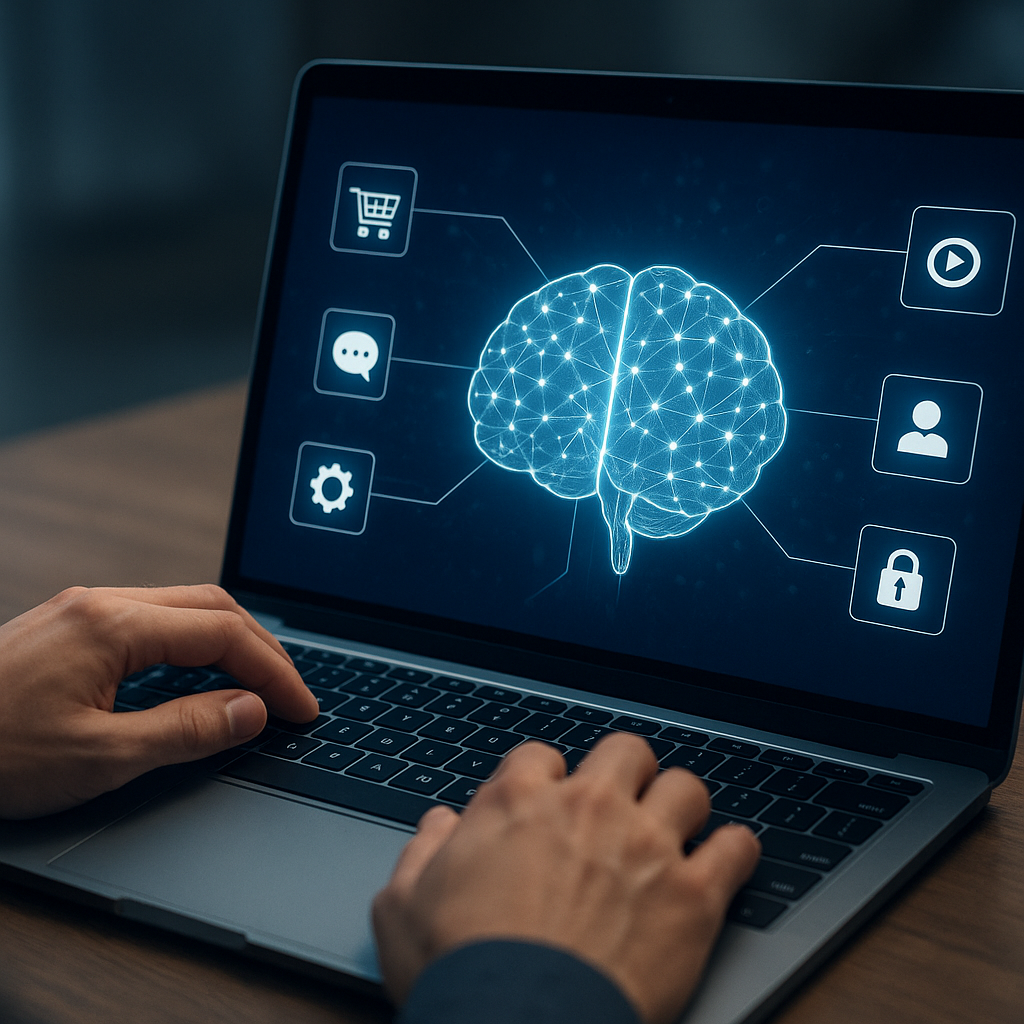
The rapid evolution of Artificial Intelligence is reshaping how individuals interact with the internet. From curated news feeds to dynamic advertising, the future web experience will center around ultra-tailored content that adapts in real time. Businesses, content creators, and everyday users are already witnessing the first waves of this revolution, where the web no longer remains static but becomes a living, breathing ecosystem that understands and anticipates individual needs. This article explores key domains—from content delivery and social platforms to emerging technologies and ethical challenges—revealing how AI will personalize the future internet.
Personalized Content and User Journeys
At the heart of the next-generation web lies personalization. No longer are users satisfied with generic homepages; they expect websites to recognize their preferences and deliver bespoke experiences. Advanced algorithms analyze click patterns, reading habits, and even cursor movements to map out detailed user profiles. These profiles feed into dynamic interfaces that adjust layouts, recommend articles, or reorder product listings based on predicted interests.
Machine-driven systems leverage machine learning models to segment audiences and craft fluid journeys. Imagine visiting an e-commerce site where the homepage products change within seconds of your arrival, showing only items that align with your past searches and purchasing history. Content management systems integrate these AI modules, learning from each interaction to refine future suggestions. Over time, the platform’s understanding of a visitor matures, creating a seamless digital environment that feels both intuitive and deeply personal.
Such user journeys extend beyond individual sites. Browser extensions and cross-platform services will sync preferences across social networks, streaming platforms, and news portals. A unified voice assistant may greet you by name, reminding you of a pending article worth reading or suggesting a playlist tailored to your current mood. This convergence of data sources blurs the lines between separate digital experiences, ushering in a truly cohesive web where every click contributes to a richer, more responsive ecosystem.
Transforming Social Media Experiences
The landscape of social media is undergoing a paradigm shift driven by predictive content delivery and intelligent moderation. Traditional feeds arranged chronologically are giving way to AI-powered streams that prioritize relevance, context, and sentiment. Platforms now deploy sentiment analysis to detect emotional tone, curating posts that resonate with user moods or avoid triggering negative reactions.
One significant outcome is heightened user engagement. By feeding individuals the posts, videos, and ads most likely to captivate their attention, platforms increase time spent and foster deeper connections between users and communities. Live streams may incorporate real-time polls, adaptive overlays, and AI-driven filters that adjust to the broadcaster’s environment. This not only enriches the viewing experience but also empowers creators to interact with their audience in more meaningful ways.
Moreover, AI-driven chatbots and virtual assistants have begun infiltrating comment sections and direct messaging. These bots can answer FAQs, encourage participation in discussions, or even remind users about upcoming online events. As these tools evolve, they will take on more sophisticated tasks—such as summarizing long threads, detecting misinformation, and offering translations for global audiences—further enhancing the communal value of social networks.
Emerging Technologies and Future Trends
Several frontier technologies will converge to elevate online personalization beyond text and images. Voice interfaces, computer vision, and spatial computing will collectively form new touchpoints between humans and machines. Here are a few trajectories to watch:
- Voice-Activated Navigation: Intelligent assistants will not only answer queries but also guide users through complex processes like online shopping or virtual tours, remembering past contexts.
- Immersive Environments: With the rise of virtual and augmented reality experiences, websites could transform into interactive spaces where users explore products or articles in three-dimensional layouts.
- Contextual Wearables: Smart glasses or biometric wearables will feed physiological data—heart rate, gaze direction—into AI models, enabling platforms to adjust content intensity or pacing in real time.
In addition, the proliferation of smart home devices will extend personalization into physical spaces. Your daily news briefing might play through a kitchen assistant, programmed to include only the topics you care about. Meanwhile, predictive analytics will forecast your next interests, offering preemptive suggestions to enrich your online and offline routines.
Ethical Considerations and Privacy Challenges
As AI systems become more adept at reading preferences and behaviors, concerns around data privacy intensify. Personal profiles built from browsing histories, location data, and purchase records can be both powerful and intrusive. Companies must navigate a fine line between offering personalized value and safeguarding user trust. Transparency in data collection practices is no longer optional; emerging regulations demand clear disclosures and easy opt-out mechanisms.
To address these issues, organizations are exploring privacy-preserving technologies like federated learning and differential privacy. These approaches allow AI models to learn from user data without exposing raw information to centralized servers. Simultaneously, ethical frameworks are being developed to guide the responsible deployment of intelligent systems, ensuring fairness, accountability, and the mitigation of algorithmic bias.
The future internet will reward platforms that strike a balance between personalization and protection. By empowering users with control over their data and by adopting robust security protocols, companies can foster a healthier, more sustainable digital ecosystem—one where cutting-edge AI tools enhance daily experiences without compromising individual rights.