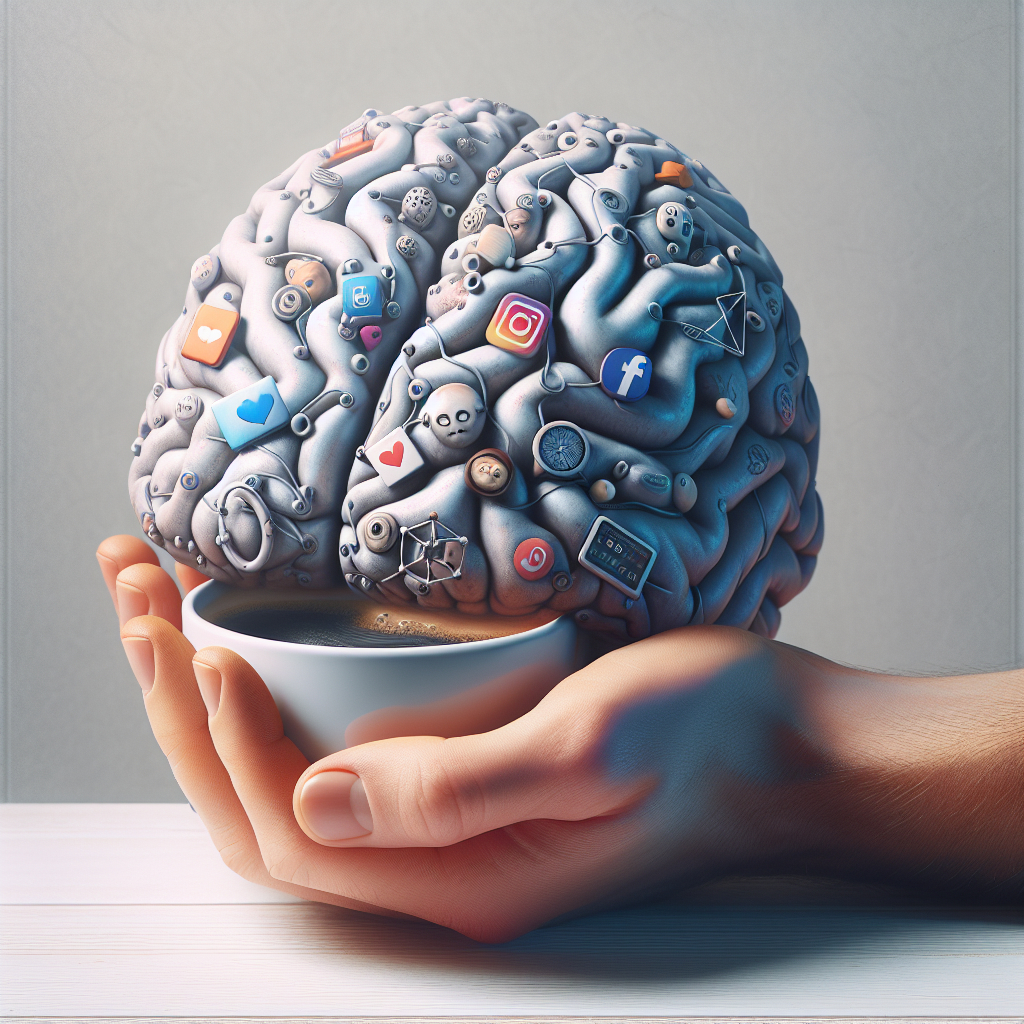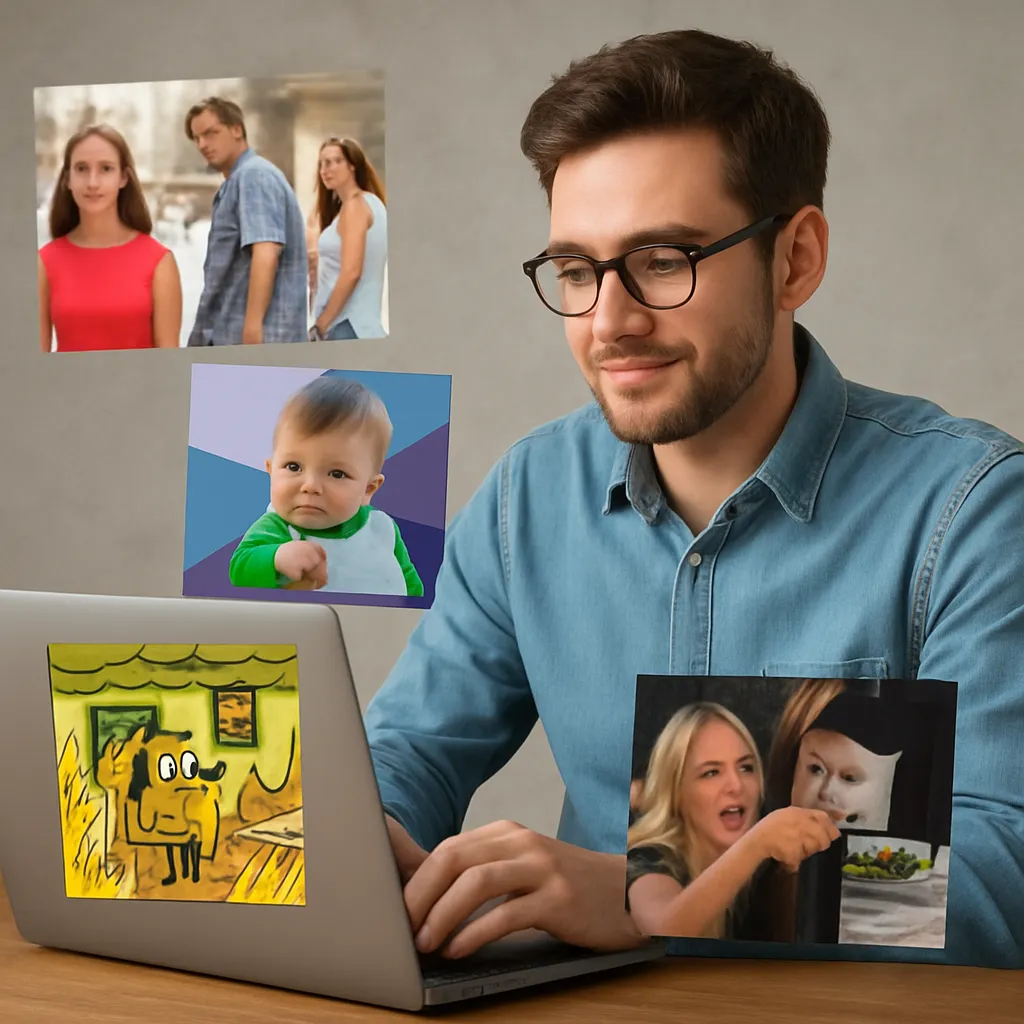
The phenomenon of memes has transcended simple humor to become a cornerstone of contemporary culture. From playful images to razor-sharp satire, these snippets of content are key vehicles for communication and collective commentary. Far beyond fleeting trends, memes now wield significant influence over online communities and real-world conversations. This article delves into the multifaceted world of internet memes, exploring their origins, societal impact, and enduring power across digital platforms.
The Evolution of Internet Memes
The term “meme” was first coined by biologist Richard Dawkins in 1976 to describe how ideas propagate among people. With the rise of the internet, this concept took on a new life. Memes transformed into image macros, GIFs, short videos, and even soundbites that spread rapidly across chat rooms and early forums.
Key stages in their development include:
- Pre-social media era: Text-based jokes and ASCII art on message boards.
- Early 2000s: The advent of image macros like “LOLcats” and “Doge.”
- 2010s boom: Platforms such as Reddit and Tumblr fostered niche meme communities.
- Mobile revolution: Short-form video apps like Vine and TikTok turned memes into viral spectacles.
Throughout these phases, memes maintained a core function: to reflect shared experiences and emotions in a concise, often humorous way. This simplicity allowed for swift adaptation and remixing, ensuring memes could stay relevant as contexts changed.
Memes as Vehicles of Social Commentary
Behind the apparent frivolity, many memes carry potent messages about politics, identity, and societal norms. They can quickly highlight disparities, lampoon authorities, or galvanize movements.
Political Discourse and Mobilization
- Social media platforms serve as arenas where memes influence public opinion.
- During elections, campaign teams and grassroots activists deploy memes to simplify complex policy issues.
- Hashtags and meme templates can unify supporters, turning a simple image into a rallying cry.
Cultural Critique and Stereotypes
- Satirical memes can deconstruct stereotypes, exposing bigotry or outdated traditions.
- Communities often co-opt derogatory images, recontextualizing them to undermine prejudice.
- Memes about mental health have reduced stigma by normalizing open conversations.
In each case, the brevity and adaptability of memes make them powerful tools for distilling complex ideas into digestible, shareable forms. As a result, memes frequently serve as the first line of public engagement with emerging issues.
Shaping Online Identity and Community
Memes do more than convey opinions—they help users craft digital personas and build community bonds. Shared references create a sense of belonging among those “in the know.”
Identity Expression
- Custom memes reflect personal interests, from niche hobbies to fandom obsessions.
- Users signal group affiliations, whether political, professional, or purely recreational.
- Profile pictures and bios often incorporate popular meme imagery to demonstrate cultural savvy.
Community Formation
- Dedicated subreddits, Discord servers, and Facebook groups revolve around specific meme formats.
- Real-time platforms like Twitter and Instagram Stories encourage rapid meme exchange.
- Collaborative projects, such as meme challenges, foster creative cooperation across continents.
By aligning with certain meme cultures, individuals carve out digital niches that reinforce their sense of self. In turn, these clusters of like-minded users drive the creativity and evolution of new meme formats, perpetuating a cycle of innovation.
Memes in Marketing, Education, and Beyond
Businesses and institutions have recognized the marketing potential of memes. When executed well, a meme-based campaign can elevate a brand’s relatability and reach.
Brand Engagement Strategies
- Companies adopt trending formats to launch product teasers or holiday greetings.
- Interactive meme generators on corporate websites encourage user-generated content.
- Brands partnering with influencers co-create memes that blend marketing with entertainment.
Educational Applications
- Teachers integrate meme-making assignments to engage digital-native students.
- Memes summarizing academic concepts offer mnemonic aids for complex subjects.
- Online courses host meme contests to boost participation and peer interaction.
Moreover, nonprofits and governmental bodies leverage memes to spread public health guidelines or civic messages. The informal, approachable tone helps break down barriers often associated with official communications.
Challenges and Ethical Considerations
Despite their many benefits, memes can perpetuate misinformation and harmful stereotypes. The speed of circulation often outpaces fact-checking efforts.
Misinformation Risks
- False claims presented as images are easily shared without verification.
- Deepfake technology threatens to produce deceptive meme content that looks authentic.
- Platforms struggle to moderate the sheer volume of submissions, leading to unchecked viral spread.
Cultural Appropriation and Sensitivity
- Memes borrowing from marginalized cultures risk trivializing lived experiences.
- Creators must navigate the fine line between homage and exploitation.
- Communities demand accountability when memes cross into offensive territory.
Addressing these challenges requires collaborative efforts by users, platforms, and policymakers. Digital literacy campaigns and clearer content guidelines can help foster a healthier meme ecosystem.
The Future Trajectory of Meme Culture
As technology evolves, the next frontier for memes may involve augmented reality filters, personalized AI-driven content, and interactive storytelling. We can anticipate features like:
- Real-time translation tools that adapt memes to multilingual audiences without losing humor.
- AI-generated memes tailored to individual user preferences and behavioral data.
- Integration of memes into virtual environments and the metaverse, allowing 3D or spatial experiences.
Ultimately, memes will remain at the intersection of pop culture, technology, and human expression. Their capacity to transcend borders, harness collective creativity, and spark meaningful dialogue ensures they will continue to shape and reflect the evolving digital landscape.