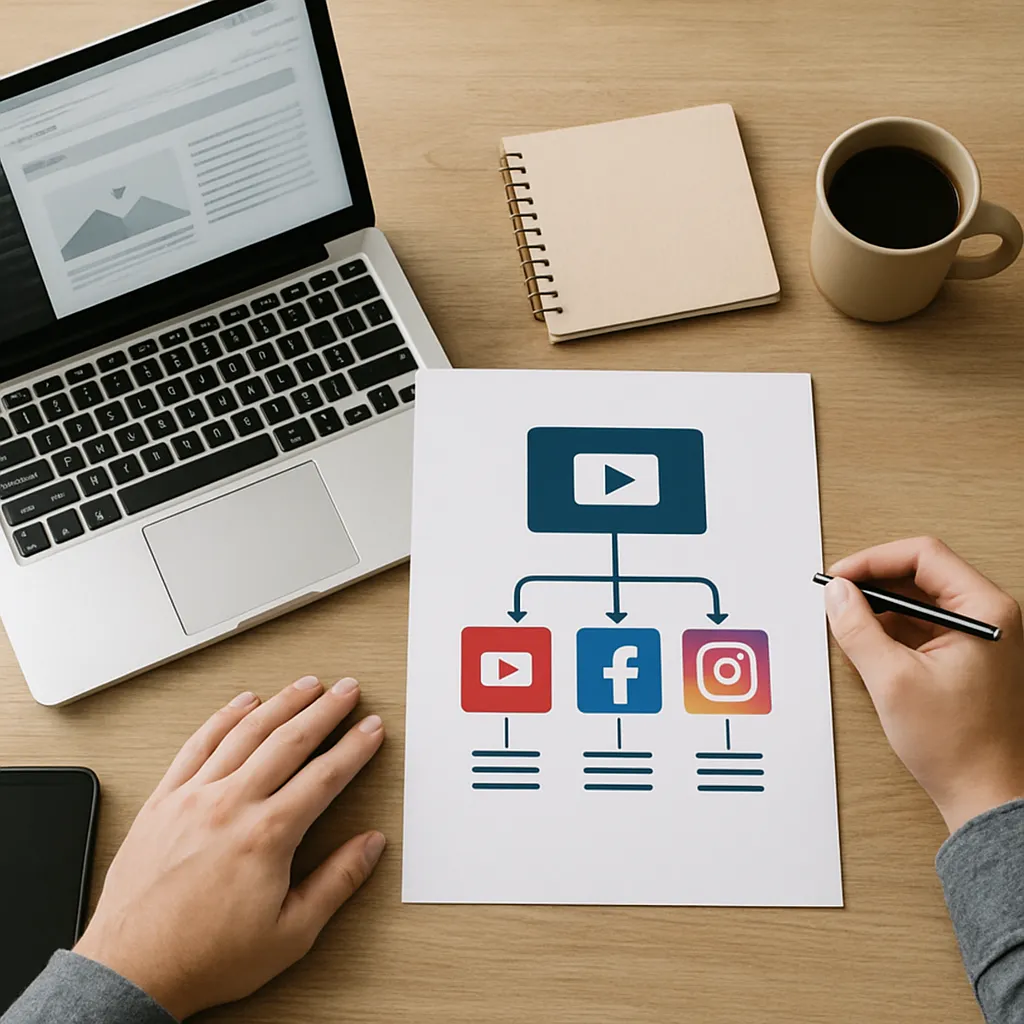
In the ever-evolving landscape of the internet, social media platforms have become an indispensable lens through which cultural transformations are both observed and enacted. By examining the mechanics of content dissemination, user interactions, and emerging subcultures, we can trace how digital exchanges mirror broader societal changes. This article explores the symbiotic relationship between online trends and real-world dynamics, shedding light on the forces reshaping identities, communities, and collective values.
Culture in the Digital Epoch
The rapid expansion of social media has ushered in an era defined by unprecedented connectivity. Users across continents share experiences in real time, fostering a sense of global interdependence. This constant exchange promotes cultural syncretism, where traditional boundaries blur and new hybrid forms of expression emerge. Brands, influencers, and grassroots movements harness this momentum to engage audiences with tailored narratives that resonate on multiple levels. As a consequence, the digital sphere becomes a testing ground for fresh norms and aesthetic preferences.
For instance, the rise of short-form video platforms has revolutionized the way stories are told. Creators distill complex ideas into bite-sized clips, leveraging compelling visuals and soundscapes to capture fleeting attention spans. In doing so, they redefine notions of authenticity and performance. The raw, unpolished style often celebrated on these networks challenges polished broadcasts and traditional media gatekeepers, democratizing content creation and inviting diverse voices to the forefront.
Furthermore, cultural dialogues no longer flow solely through top-down channels; user-generated content can spark movements that ripple into mainstream consciousness. Hashtags become rallying points, virtual forums transform into safe spaces, and memes evolve into powerful vehicles for commentary. Each interaction is a microcosm of social values at play, reflecting shifts in sentiment around topics like mental health, environmental stewardship, and digital rights.
Trend Identification and Viral Phenomena
Understanding how a piece of content achieves virality requires dissecting the interplay among creativity, technology, and audience psychology. Algorithms on major platforms monitor engagement metrics—likes, shares, comments—and amplify posts that demonstrate momentum. This feedback loop encourages creators to experiment with formats that trigger emotional responses, from humor to outrage.
- Memes: Humorous or satirical images and videos that capture collective moods, often evolving through rapid iterations.
- Challenges: Participatory campaigns prompting users to replicate specific actions, bolstering visibility through peer endorsement.
- Live Streams: Spontaneous broadcasts fostering real-time interaction, granting viewers a sense of immediacy and intimacy.
- Reels and Short Clips: Concise storytelling techniques optimized for mobile consumption, catering to shrinking attention spans.
While algorithms play a pivotal role, human psychology underpins the real magic of sharing. Content that sparks curiosity, evokes empathy, or satisfies a niche interest tends to gain traction. Creators often study analytics to refine their output, experimenting with posting times, hashtags, and collaboration strategies. This iterative process parallels scientific inquiry, where hypotheses are tested against audience behavior.
Moreover, viral phenomena can transcend digital boundaries, influencing fashion trends, soundtrack choices, and even political discourse. Viral campaigns have mobilized millions to donate to causes, participate in awareness drives, and engage in civic debates. The speed and reach of these movements illustrate how social media acts as a catalyst for immediate cultural shifts.
Community Building and Identity Narratives
Beyond fleeting trends, social media fosters enduring communities united by shared interests and identities. Online forums and groups coalesce around demographics, hobbies, and social causes, providing members with support networks and platforms for self-expression. In these virtual spaces, users negotiate personal narratives and collective histories, shaping a sense of belonging that transcends geography.
Activists leverage this capability to challenge established power structures, organize events, and amplify marginalized voices. Campaigns rooted in digital solidarity demonstrate the democratization of advocacy, where grassroots drives compete with institutional initiatives on equal footing. Meanwhile, influencers of various backgrounds curate content that resonates with underrepresented audiences, redefining mainstream perceptions and inspiring future content creators.
Central to these dynamics is the concept of identity as fluid and performative. Users adopt avatars, pseudonyms, and curated timelines to project facets of themselves. This performative dimension allows individuals to experiment with roles and aesthetics, blurring the lines between authenticity and persona. Over time, these interactions contribute to the social construction of self, influencing how people understand their place in both online and offline worlds.
Globalization and Offline Reinforcement
As digital trends permeate everyday life, their impact on offline practices becomes increasingly pronounced. Fashion brands collaborate with viral creators, local artisans gain international followings, and pop culture references migrate from screens to storefronts. This cross-pollination underscores the reciprocal relationship between virtual and physical realms.
Consider the phenomenon of flash mobs orchestrated through social media: participants converge in public spaces for choreographed performances, often drawing spontaneous crowds. These events exemplify how online coordination can materialize into collective experiences, reinforcing community bonds and cultural identity.
In the economic sphere, the rise of influencer marketing illustrates a seismic shift in consumer behavior. Audiences trust peer recommendations more than traditional advertisements, prompting companies to invest heavily in digital partnerships. This trend accelerates market responsiveness and promotes experimentation with unconventional campaigns that resonate on a personal level.
Politically, social media platforms serve as arenas for debate, information dissemination, and mobilization. Grassroots campaigns harness hashtags and digital petitions to pressure decision-makers, while misinformation challenges demand new forms of media literacy. Through these tensions, societies negotiate the balance between freedom of expression and the need for reliable discourse.
Ultimately, the interplay between social media and cultural shifts is dynamic and multifaceted. As platforms evolve, so too will the ways in which communities interact, identities are forged, and collective values are articulated. Observing these patterns offers valuable insights into the future trajectory of human connection in an increasingly digital age.