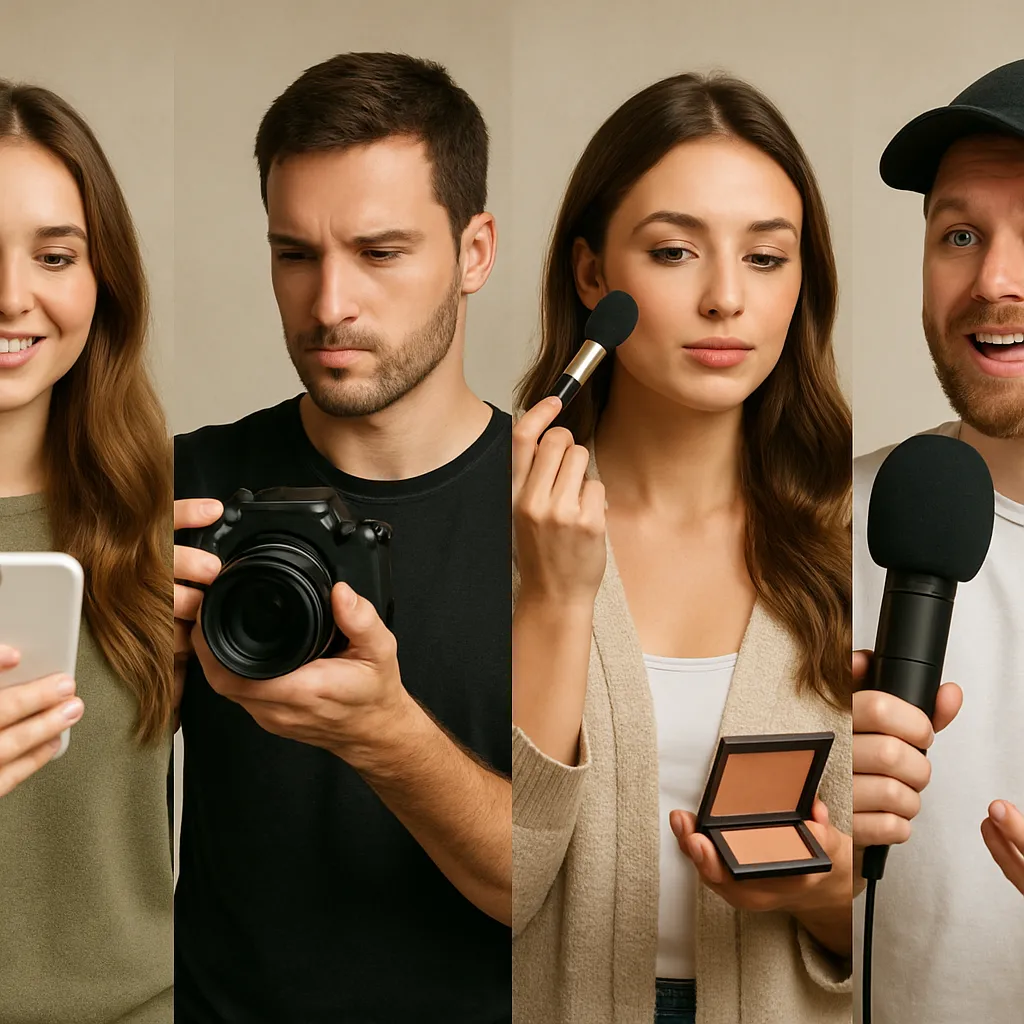
The digital landscape has witnessed a remarkable transformation as content creators evolved from general entertainers into specialized experts commanding dedicated followings. Tracing this progression reveals how shifts in audience behavior, algorithmic tweaks and innovative platforms have redefined the concept of influence. Below, we explore key milestones in the evolution of influencer niches and examine emerging trajectories shaping tomorrow’s brand partnerships and community-driven movements.
Rise of Mass Audience Influencers
During the early days of social sharing, influencers prioritized broad appeal over specificity. With the launch of platforms like YouTube and Instagram, many content creators positioned themselves as lifestyle vloggers, travel enthusiasts and beauty gurus, chasing subscriber counts and follower milestones. This first wave of influencers relied on engagement metrics such as likes, shares and comments to attract brand deals. The model thrived on relatability—viewers connected with hosts who appeared to lead a version of their ideal life. While this era democratized fame, it also fostered saturation. Soon, audiences craved more granular expertise.
Emergence of Micro-niche Communities
Fragmentation became inevitable once mass audience influencers reached a plateau. Creators discovered that hyper-focused content offered a pathway to higher retention and deeper trust. Specialized verticals emerged:
- Eco-conscious home decor and sustainable living aficionados
- Plant care tutorials for indoor jungle cultivators
- Vintage camera restoration and analog photography lovers
- Therapeutic journaling and productivity optimization advocates
These micro-influencers generated remarkable returns for brands seeking targeted reach. Their authenticity resonated with followers, and comment threads morphed into genuine communities. In many cases, conversion rates for micro-niche campaigns outperformed those of broad-reach efforts. By focusing on a well-defined segment, creators could position themselves as authorities rather than generalists.
The Impact of Platforms and Algorithms
Platform design and recommendation engines have served as catalysts for niche specialization. As network architects refined their feeds, they rewarded unique vertical content and penalized repetitive generalities.
Short-form Video Revolution
With the advent of snackable video formats on TikTok and Instagram Reels, creators unveiled sub-niches once overlooked by longer-form channels. Tutorials on miniature cooking, rare instrument performances and obscure art forms found audiences at scale. The algorithm’s “For You” and “Explore” pages bridged geographical boundaries, allowing subcultures to thrive instantly and inspiring cross-pollination among micro-communities.
Community-driven Features
Features like Instagram’s Close Friends, Twitter Spaces and Discord Servers empowered influencers to nurture intimate circles. These tools enabled real-time feedback, exclusive content drops and subscriber-only chats. Frequent Q&A sessions, polls and co-creation workshops solidified group identity and reinforced loyalty. Brands recognized the value of tapping into these high-engagement clusters for product launches and niche-aware collaborations.
Monetization Strategies in Specialized Verticals
As niches matured, monetization evolved beyond flat-rate sponsorships. Influencers adopted diverse revenue streams tailored to their audience’s interests:
- Subscription models on Patreon and Ko-fi granting behind-the-scenes access
- Limited-edition merchandise drops aligned with niche aesthetics
- Affiliate partnerships offering curated product recommendations
- Educational workshops and digital masterclasses focused on micro-skills
Brands gained clarity on how to measure ROI within narrow segments, tracking purchase behavior directly from niche content. This transparency fueled further investment in micro-influencers, whose hyper-targeted campaigns delivered sustained performance over one-off activations.
Data-driven Insights and Niche Discovery
Advancements in analytics platforms have armed both marketers and creators with sophisticated audience intelligence tools. By analyzing sentiment, engagement velocity and peak activity windows, influencers can fine-tune content calendars and topics. Emerging dashboards spotlight under-served micro-niches, enabling early entry before competition intensifies. In parallel, AI-driven recommendation engines help match brands with the most relevant creators, streamlining collaboration workflows and minimizing mismatches.
Future Directions for Influencer Niches
Looking ahead, we anticipate further segmentation driven by immersive technologies and evolving consumer values. Key trends include:
- Augmented reality experiences enabling niche product try-ons and virtual events
- Blockchain-powered communities rewarding active participation with tokenized incentives
- Voice-based micro-podcasts targeting auditory learners in specialized fields
- Eco-conscious content clusters aligning with zero-waste and circular economy principles
As social media boundaries expand into the metaverse, niche influencers will pioneer new forms of content creation that blend real-world expertise with digital augmentation. Brands that embrace these hyper-targeted communities stand to unlock unprecedented levels of engagement and cultivate long-term brand advocates.