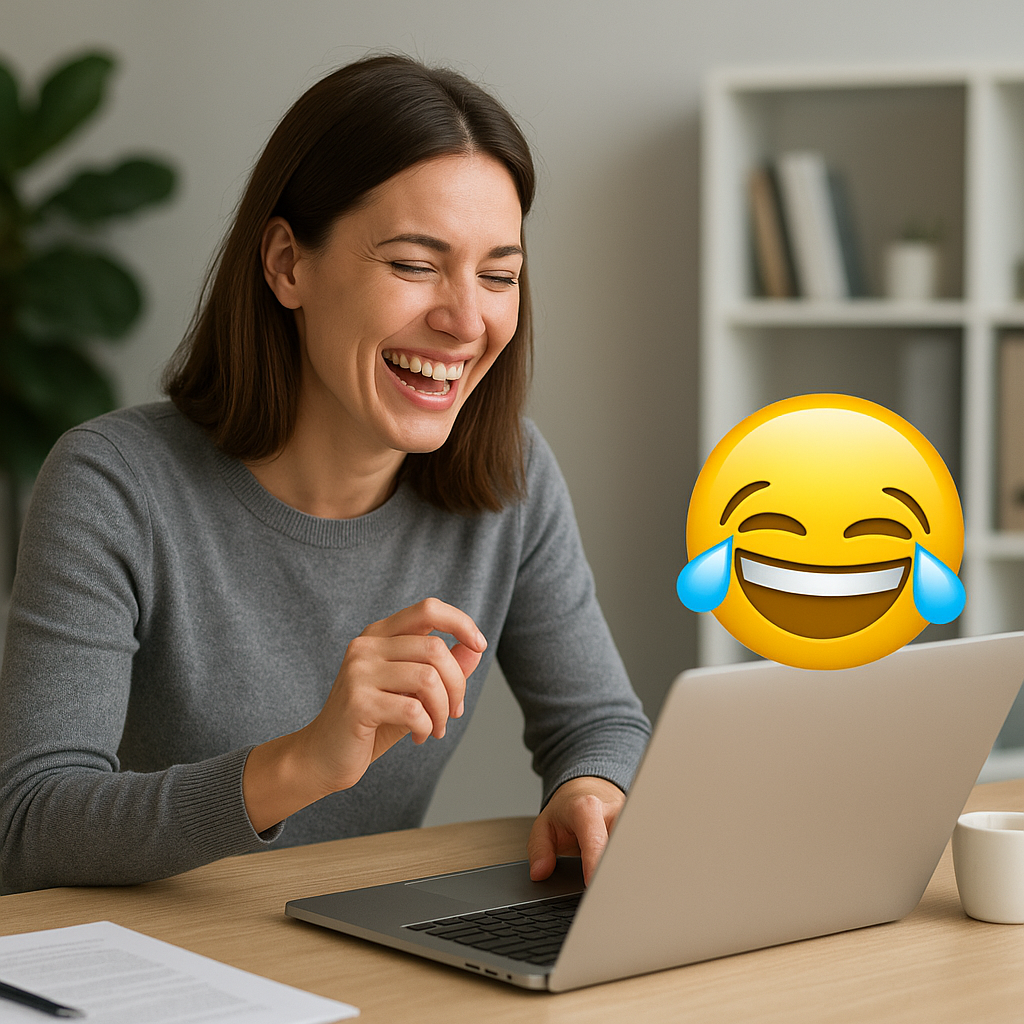
Humor has emerged as a powerful force in the digital sphere, transforming routine marketing campaigns into memorable experiences. When deployed strategically, a well-timed joke or a witty visual can dramatically elevate brand perception and foster genuine connections. This article explores the multifaceted role of humor in online marketing, the methods for crafting playful yet effective messages, and the trends shaping the future of comedic content on social media.
Understanding Digital Humor Dynamics
Before brands can harness comedic elements, it’s crucial to understand how audiences interpret and react to humor online. Unlike traditional media, social networks thrive on rapid sharing and real-time feedback. Content that earns smiles and shares can achieve viral status within hours.
Key Components of Online Humor
- Context: Relevance to current events, memes, or trending topics creates instant resonance.
- Timing: Posting at peak engagement moments amplifies reach.
- Tone: A lighthearted tone avoids alienating sensitive groups while retaining playful energy.
- Format: Short videos, GIFs, and image macros have become the building blocks of shareable jokes.
The Psychology Behind Laughter
Studies in social media psychology reveal that humor triggers the release of dopamine, which in turn drives higher levels of engagement and positive brand association. When users laugh, they feel an emotional bond with the content creator, increasing the likelihood of further interaction such as likes, comments, and shares.
Moreover, laughter acts as a social lubricant, fostering trust and lowering resistance to marketing messages. Savvy marketers recognize that a well-crafted punchline can reduce skepticism, making audiences more receptive to a brand’s core message.
Crafting a Humorous Brand Persona
Developing a consistent comedic identity requires a balance between authentic voice and strategic alignment with brand values. A misstep can lead to backlash, but when executed skillfully, humor can humanize corporations and invite communities to participate in the conversation.
Defining Your Humor Style
Brands often choose from a spectrum of comedic approaches:
- Self-deprecating humor that acknowledges flaws in a charming way.
- Witty wordplay that showcases linguistic creativity.
- Absurd or surrealist content that surprises viewers.
- Meme-based references that leverage established internet culture.
It’s vital to maintain a consistent style across platforms, whether it’s Twitter’s snappy quips, Instagram’s visual gags, or TikTok’s short-form skits. Consistency builds recognition and supports long-term loyalty.
Integrating Humor into Campaigns
Successful campaigns often weave comedic elements into multiple touchpoints:
- Interactive polls with tongue-in-cheek answer options.
- Behind-the-scenes blooper reels that reveal the human side of the company.
- Collaborations with influencers known for comedic flair.
- Seasonal memes tailored to holidays and cultural moments.
By aligning humorous content with overarching marketing goals—whether increasing brand awareness, driving website visits, or boosting conversion rates—companies can ensure that laughter delivers real business value.
Measuring Impact and Emerging Trends
Quantifying the success of comedic content goes beyond tracking vanity metrics. While views and likes indicate popularity, the ultimate goal is to foster meaningful connections and brand growth.
Analytics and Performance Indicators
- Shareability Index: Frequency with which content is forwarded or tagged by users.
- Sentiment Analysis: AI-driven evaluation of comments to gauge audience reaction.
- Engagement Rate: Ratio of interactions to total reach.
- Brand Recall Surveys: Pre- and post-campaign tests to measure retention.
Brands leveraging advanced analytics can attribute spikes in web traffic or sales to specific humorous posts, linking creative daring to quantifiable ROI.
Next-Generation Humor Trends
As platforms evolve, so do opportunities for comedic innovation. Key trends to watch:
- Augmented Reality Filters: Interactive face filters that deliver puns or character-driven jokes.
- Voice Assistants with Personality: AI chatbots programmed to reply with quips while providing customer support.
- User-Generated Comedy: Brands inviting audiences to submit short sketches, creating a participatory ecosystem.
- Localized Memes: Cultural customization of humor to resonate with regional communities.
Adopting these trends requires experimentation. Brands open to risk—within reason—stand to gain viral momentum and foster deeper loyalty among diverse audience segments.
Challenges and Best Practices
While the benefits of humor are clear, careless or insensitive jokes can cause reputational harm. Navigating cultural sensitivities and avoiding offensive territory is a must.
Risk Mitigation Strategies
- Implement a review process involving diverse stakeholders.
- Test content with focus groups before widespread release.
- Maintain a style guide outlining permissible humor boundaries.
- Prepare crisis-response plans for potential misfires.
Ultimately, the brands that succeed are those that treat humor as a strategic asset rather than a haphazard afterthought. They use wit to amplify authenticity, foster shareability, and spark genuine conversation with their audience.